Quick answer
Take 10–20 mg of lutein daily with a meal that contains fat, ideally alongside zeaxanthin in a 5:1 ratio. Pair it with omega-3s and colorful vegetables, and give it at least 8–12 weeks to build up in your retina. If you have a diagnosed eye condition, check with your doctor before starting.
lutein
Lutein is a carotenoid that concentrates in the macula, the part of your retina responsible for sharp central vision. It filters blue light and acts as an antioxidant, helping to protect the delicate cells that let you read, drive, and recognize faces. Your body cannot make lutein, so you have to get it from food or supplements.
This guide walks you through a practical, step-by-step approach to using lutein for eyes. You will learn how to pick a dose, combine it with other nutrients, time it with meals, and track whether it is working. We will also cover common mistakes and when to involve an eye doctor.
Why lutein matters for your eyes
Lutein and zeaxanthin are the only carotenoids found in high concentrations in the macula. They form the macular pigment, a natural sunscreen that absorbs blue light and neutralizes free radicals. Higher macular pigment density is linked to better contrast sensitivity and reduced glare disability, which can make a real difference for night driving and screen work.
Your body cannot synthesize lutein, so levels depend on what you eat or supplement. Foods like spinach, kale, and egg yolks are rich sources, but many people fall short of the 6–10 mg per day associated with eye health. That is where a clean, third-party tested eye health supplement can help fill the gap.
- Lutein is not a treatment for any eye disease; it supports normal eye function.
- If you smoke, talk to your doctor before taking high-dose beta-carotene, which is sometimes combined with lutein.
Step 1: Choose a dose that fits your needs
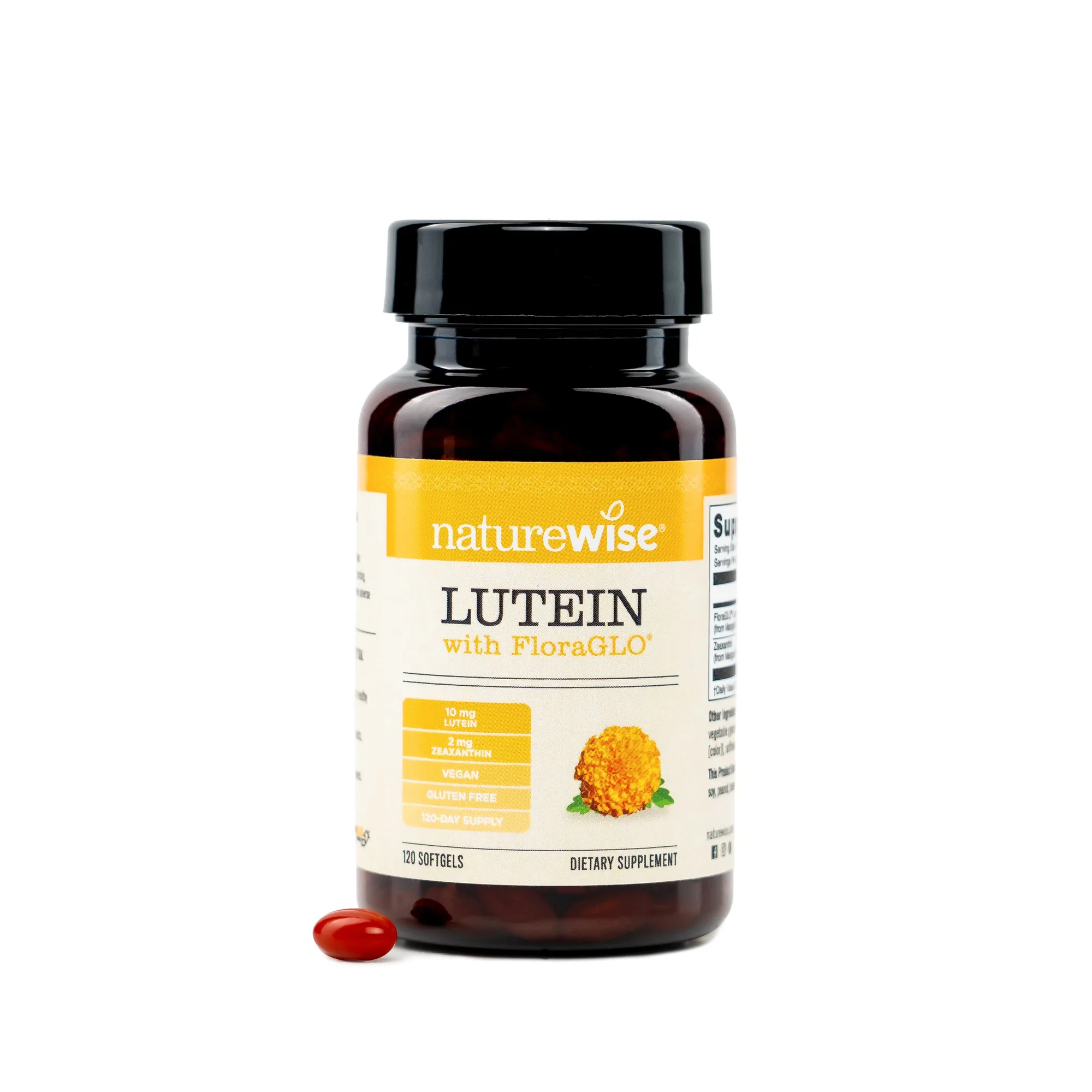
Most research on lutein for eyes uses 10 mg per day, often with 2 mg of zeaxanthin. For general vision support, 10–20 mg daily is a common range. If you have early signs of macular degeneration, your eye doctor may recommend a specific formula based on the AREDS2 study, which used 10 mg lutein and 2 mg zeaxanthin.
Start with 10 mg if you are new to lutein. You can increase to 20 mg after a few weeks if you want more support, but there is no strong evidence that higher doses provide extra benefit. More is not better when it comes to carotenoids.
- Check the label for elemental lutein, not just lutein esters, which contain less free lutein per milligram.
- If you take a multivitamin, add up all sources to avoid exceeding 20 mg daily without medical advice.
Step 2: Pair lutein with zeaxanthin and other eye nutrients
Lutein and zeaxanthin work as a team. The typical ratio in supplements is 5:1 lutein to zeaxanthin, mirroring the ratio found in the diet. Look for a product that includes both, plus omega-3s if you want broader support for dry eyes and retinal health.
Other nutrients like vitamin C, vitamin E, zinc, and copper are often included in eye health formulas because they support antioxidant defenses. You do not need all of them, but a combination product can simplify your routine if you prefer one capsule instead of several.
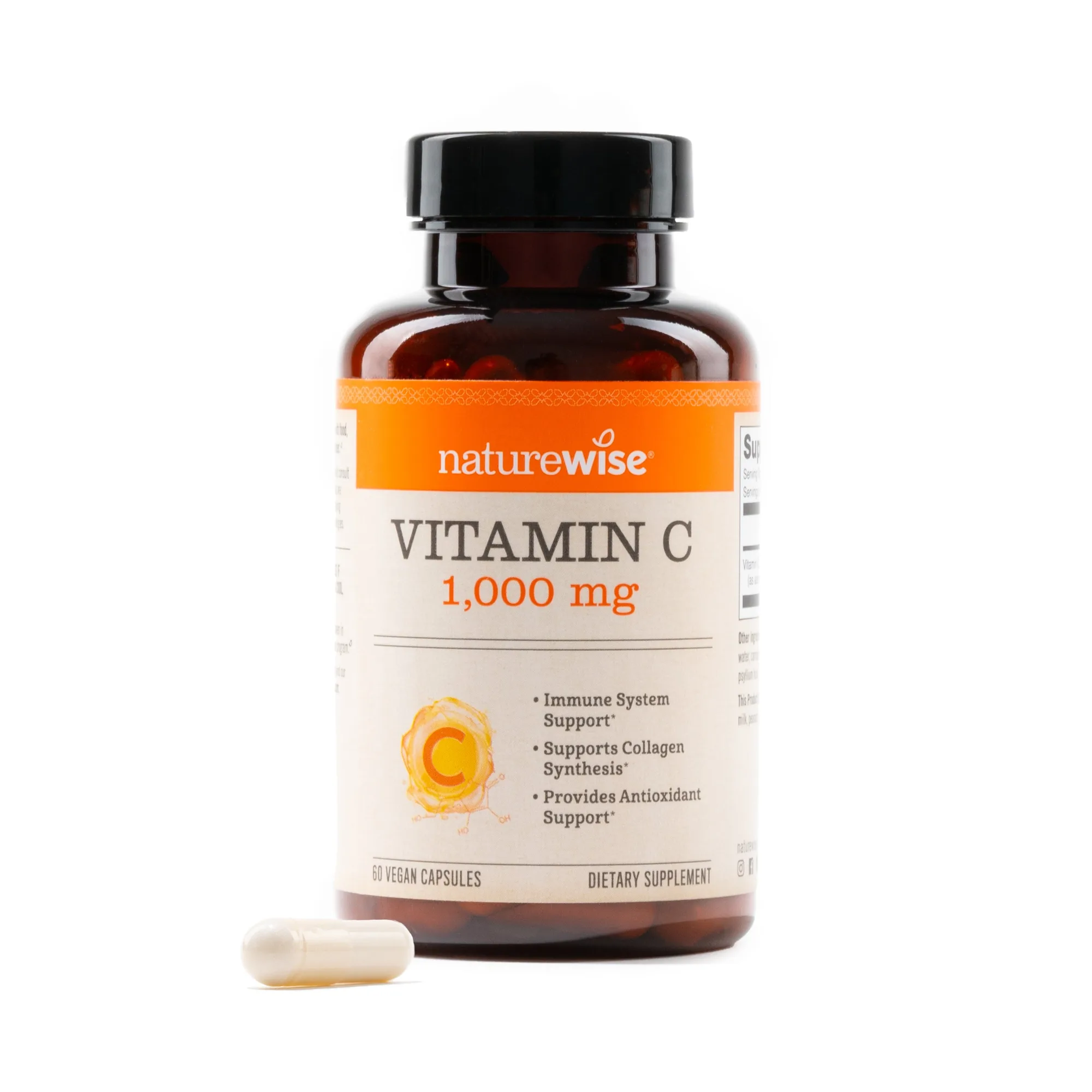
vitamin C
- If you already take a fish oil or algae omega-3, you can pair it with lutein for added vision support.
- Avoid formulas with high-dose beta-carotene if you smoke or have a history of lung cancer.
Step 3: Take it with a fat-containing meal
Lutein is fat-soluble, so it needs dietary fat to be absorbed well. Taking your supplement with a meal that includes olive oil, avocado, eggs, nuts, or full-fat yogurt can improve absorption by as much as 50% compared to taking it on an empty stomach.
A simple rule: take your lutein with your largest meal of the day, or at least a meal that contains 5–10 grams of fat. If you eat a low-fat breakfast, save your lutein for lunch or dinner instead.
- Do not take lutein with a fat-blocking weight loss supplement; it will reduce absorption.
- If you take orlistat, separate it from your lutein dose by at least 2 hours.
Step 4: Be consistent and give it time
Lutein builds up in the retina gradually. Most studies show measurable increases in macular pigment after 4–8 weeks of daily use, but full effects on vision may take 6 months or longer. Set a daily reminder and keep your bottle where you will see it.
If you miss a day, do not double up. Just resume your normal dose the next day. Consistency matters more than perfection, and lutein has a good safety profile even with long-term use.
- Take a photo of your supplement label so you can track the exact dose and ingredients.
- Mark your calendar at 3 months to evaluate whether you notice any changes in glare or contrast.
Step 5: Support your eyes beyond supplements
Supplements are one piece of the puzzle. Eat at least one serving of leafy greens or eggs daily, wear sunglasses that block UV and blue light, and follow the 20-20-20 rule for screen time: every 20 minutes, look 20 feet away for 20 seconds.
Manage underlying conditions like diabetes and high blood pressure, and do not smoke. These habits protect your eyes more than any single nutrient. Think of lutein as a supportive player, not a standalone solution.
- Get a dilated eye exam every 1–2 years, or as often as your eye doctor recommends.
- If you notice sudden vision changes, see an eye doctor immediately—do not wait for your supplement to work.
Your 5-step lutein routine
- 1. Pick your daily dose: Start with 10 mg of lutein per day, ideally with 2 mg of zeaxanthin. If you have a family history of macular degeneration, ask your eye doctor if 10 mg lutein and 2 mg zeaxanthin (the AREDS2 formula) is right for you. Checkpoint: Do not exceed 20 mg daily without medical guidance.
- 2. Choose a formula with zeaxanthin: Look for a 5:1 ratio of lutein to zeaxanthin. Avoid products that list only lutein esters unless the label specifies the free lutein equivalent. A clean, third-party tested eye health supplement will disclose this clearly. Checkpoint: If the label does not state the zeaxanthin amount, consider another product.
- 3. Take it with a fat-containing meal: Take your lutein with lunch or dinner, or any meal that includes at least 5–10 grams of fat. This can significantly improve absorption. If you take orlistat or another fat blocker, separate it by at least 2 hours. Checkpoint: Taking lutein on an empty stomach wastes most of the dose.
- 4. Be consistent for at least 3 months: Set a daily reminder and keep your supplement visible. Macular pigment increases gradually, so give it 8–12 weeks before judging results. Do not double up on missed doses. Checkpoint: Mark your calendar at 3 months to review any changes in glare or contrast.
- 5. Support your eyes with diet and habits: Eat leafy greens or eggs daily, wear sunglasses outdoors, follow the 20-20-20 rule for screens, and manage conditions like diabetes and high blood pressure. Supplements work best as part of a broader eye-health routine. Checkpoint: Get a dilated eye exam every 1–2 years, or as recommended by your eye doctor.
Product facts that matter for eye health
- Men's Multivitamin with Stress Support: Contains Sensoril® ashwagandha, 22 vitamins and minerals, vegetarian, serving size of 2 veggie capsules. Supports heart health, immune health, digestive health, and a healthy stress response. If you prefer a single daily foundation, this multivitamin covers several eye-supporting nutrients like vitamin C and zinc, though it does not list lutein. You would still need a separate lutein supplement for targeted vision support.
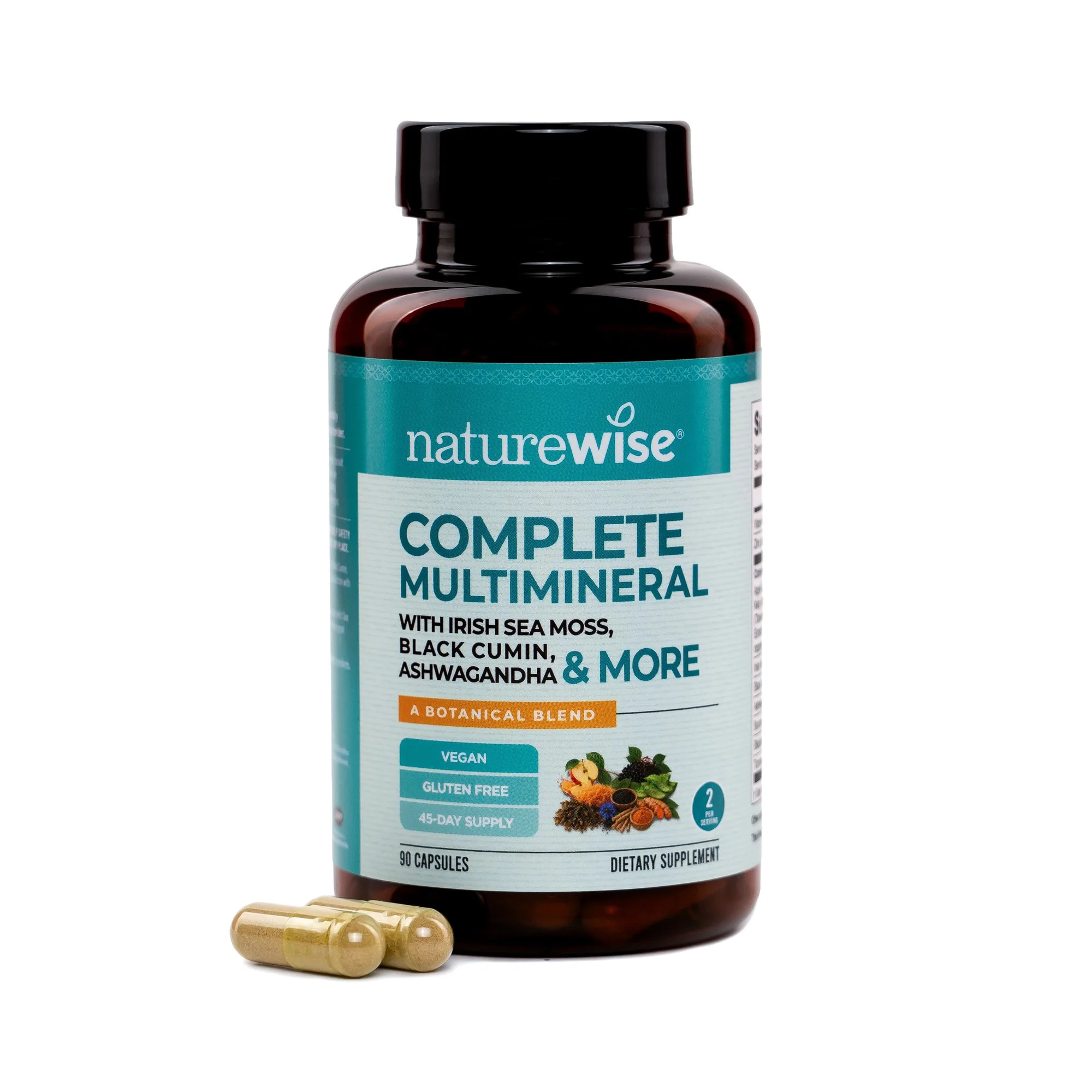
- Sea Moss Multimineral: 300 mg Irish Sea Moss Extract (20:1), 200 mg Black Cumin Seed Extract (4:1), concentrated ashwagandha, burdock root, bladderwrack, and turmeric extracts, 90 mg vitamin C, and 10 mg zinc. Vegan and gluten-free. This multimineral provides vitamin C and zinc, two nutrients that support antioxidant activity and immune function. It is not a lutein source, so pair it with a dedicated eye health supplement if lutein is your goal.
- Vitamin C Chewables: Gluten-free, vegan, non-GMO, orange flavor, no artificial colors or flavors, serving size of 2 chewable tablets. Supports immune health and collagen synthesis. Vitamin C supports collagen synthesis, which is important for the structure of your cornea and sclera. It also helps regenerate other antioxidants, including lutein and zeaxanthin, so it can complement your eye health routine.
- Turmeric Boswellia: Organic turmeric root complex 900 mg, boswellia extract standardized to 65% boswellic acid, added organic ginger and Bioperine for absorption. Supports joint comfort, antioxidant levels, and joint flexibility. Chronic inflammation can affect eye health. This formula supports antioxidant levels and joint comfort, but it is not a substitute for lutein. Use it if you want additional antioxidant support alongside your eye-focused supplement.
Lutein is a simple, well-tolerated way to support your vision, but it works best when you take the right dose with fat, pair it with zeaxanthin, and stay consistent. Use the five steps above to build a routine that fits your life, and keep your eye doctor in the loop—especially if you have any diagnosed eye condition.