When it comes to playing classic N64 titles on your M64 console, the controller you choose can make or break the experience. The M64 Pro Controller has become a favorite among retro enthusiasts, but the decision between a wired or wireless setup often leaves players scratching their heads. Both options have their merits, and the right choice depends on your gaming habits, setup, and personal preferences.
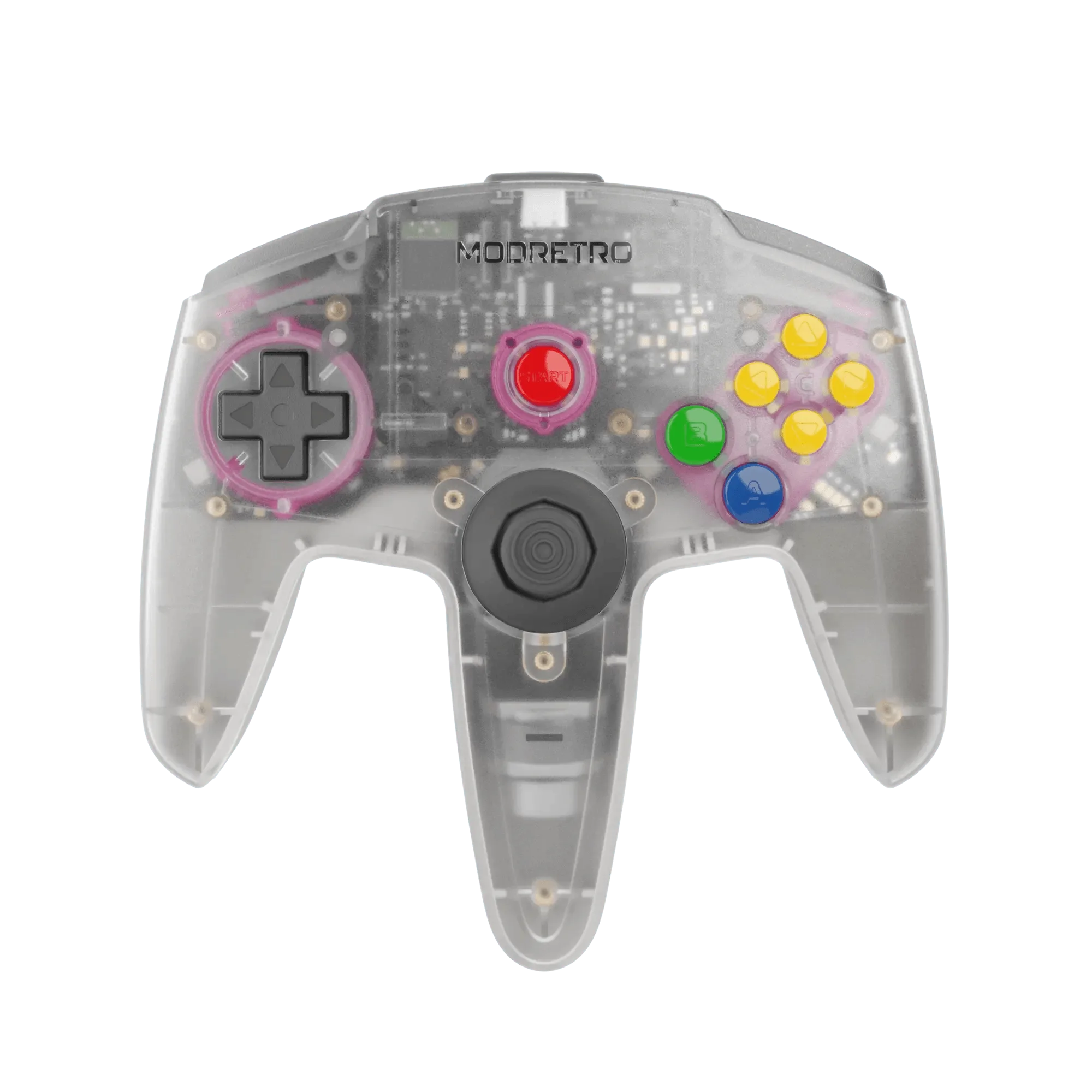
M64 Pro Controller
In this comparison, we'll break down the key differences between wired and wireless M64 controllers, focusing on latency, battery life, comfort, and overall value. By the end, you'll have a clear idea of which type suits your needs—whether you're a competitive speedrunner or a casual player looking to relive childhood memories.
Latency: The Heart of the Matter
For any gamer, especially those playing fast-paced titles like Tetris or Xibalba 64, input lag is a critical factor. Wired controllers have a clear advantage here: they offer a direct, uninterrupted connection that ensures near-zero latency. This can be a game-changer in precision platformers or competitive matches where every millisecond counts.
Wireless controllers have improved significantly in recent years, but they still introduce a small amount of input lag due to the wireless transmission and polling rate. While modern wireless technology has reduced this to imperceptible levels for most players, hardcore purists may still notice the difference. If you're sensitive to input lag or play games that require frame-perfect timing, a wired connection is the safer bet.
- Wired: consistent, low-latency connection ideal for competitive play.
- Wireless: convenient but may add 1-5ms of latency depending on the technology.
- Test both if possible to see if you can perceive the difference.
Battery Life and Power Management
Wireless controllers free you from the tether, but they come with the constant need to recharge or replace batteries. The M64 Pro Controller, when used wirelessly, typically offers around 20-30 hours of gameplay on a single charge, depending on usage and features like vibration. This is decent for a few long sessions, but you'll need to remember to charge it regularly to avoid mid-game interruptions.
Wired controllers, on the other hand, draw power directly from the console, so battery life is a non-issue. You can play for hours on end without worrying about a low-battery warning. If you often have marathon gaming sessions or hate dealing with charging cables, a wired controller eliminates that hassle entirely.
- Wireless: requires regular charging; consider a charging dock for convenience.
- Wired: no battery worries, but the cable can be a tripping hazard.
- Check if your wireless controller supports fast charging for quick top-ups.
Comfort and Ergonomics
Comfort is subjective, but the physical design of a controller plays a huge role. Wired controllers are often lighter because they don't house a battery, which can reduce fatigue during long sessions. However, the cable can sometimes get in the way, especially if you sit far from the console or like to move around while playing.
Wireless controllers offer unrestricted movement, letting you sit back on the couch or even play from across the room. They tend to be slightly heavier due to the internal battery, but many players find the added weight reassuring. The M64 Pro Controller is designed with ergonomics in mind, and both versions share the same button layout and grip, so the choice really comes down to whether you value freedom of movement over a lighter feel.
- Wireless: ideal for couch gaming or if you prefer to sit at a distance.
- Wired: better for desk setups or when you want to minimize weight.
- Consider a cable management solution if you go wired to avoid tangles.
Value and Durability
When it comes to price, wired controllers are typically more affordable than their wireless counterparts. They also have fewer components that can fail—there's no battery to degrade over time, and the cable is the only part that might wear out. If you're on a budget or want a controller that will last for years, a wired option is a solid investment.
Wireless controllers, while pricier, offer the convenience of Bluetooth or proprietary wireless technology. They also often come with additional features like motion controls or programmable buttons. However, the battery will eventually lose capacity, and you may need to replace it or the controller itself after a few years of heavy use. If you're willing to pay a premium for convenience, wireless is worth it; otherwise, wired gives you the best bang for your buck.
- Wired: usually cheaper and more durable in the long run.
- Wireless: higher upfront cost but adds convenience and features.
- Look for warranties or replacement parts when buying wireless.
Ultimately, the choice between a wired and wireless M64 controller comes down to your priorities. If you demand the lowest latency and don't mind a cable, a wired controller is the way to go. If you value freedom and convenience, a wireless option like the M64 Pro Controller is a fantastic choice. Whichever you pick, you'll be ready to dive into your favorite M64 games with confidence.