Quick answer
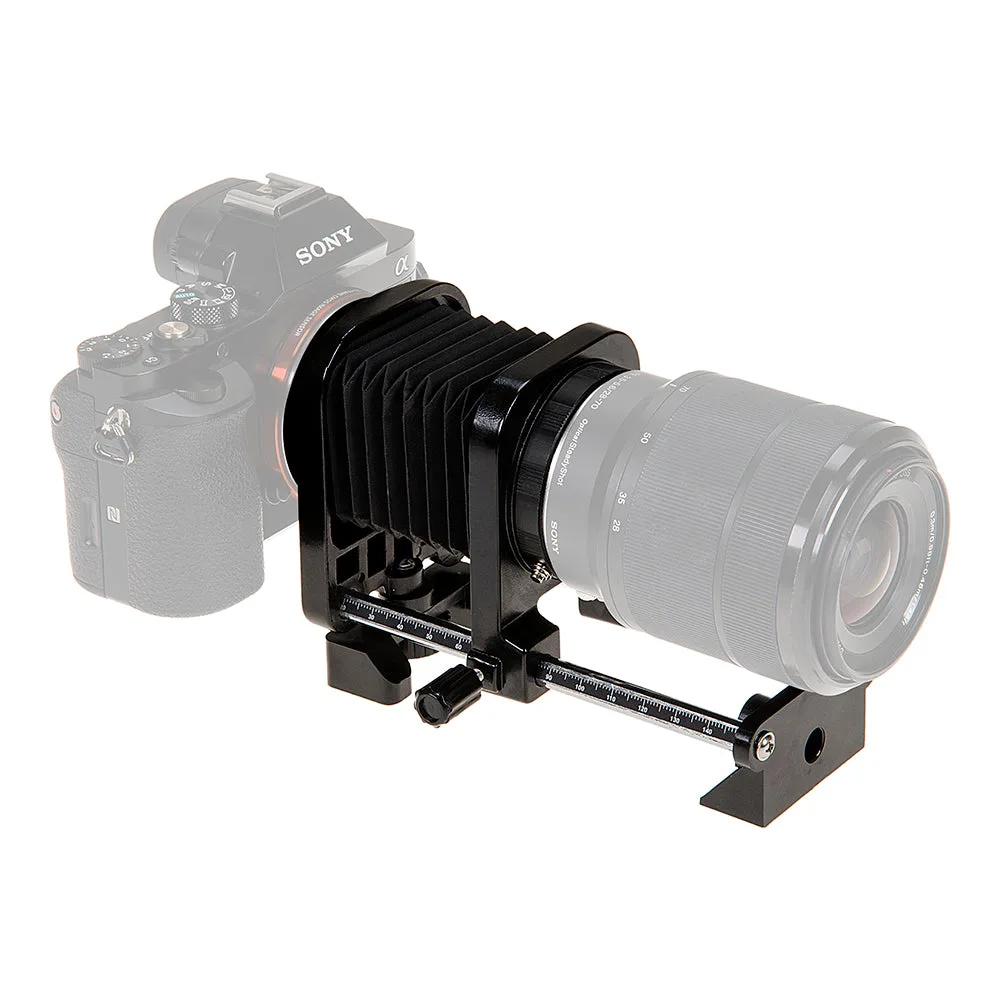
For extreme close-ups on a Sony E-Mount camera, the Macro Reverse Ring gives higher magnification at very short distances, while the Extension Tube set offers more flexible working distance and easier composition.
How they work
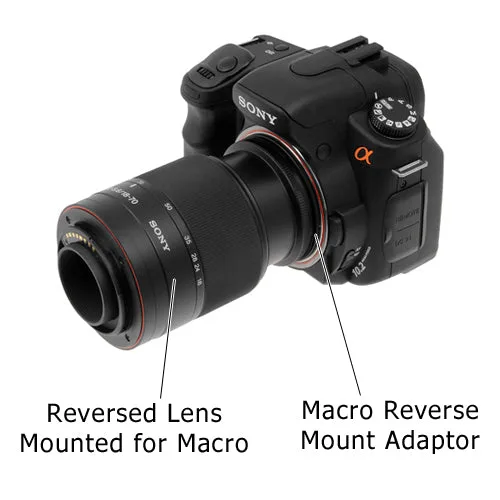
The Macro Reverse Ring mounts your lens backward onto the camera body, letting you focus extremely close to a subject. The Extension Tube set inserts between the camera and lens to increase the lens-to-sensor distance, reducing the minimum focus distance without reversing the lens.
Both methods avoid adding extra glass, so your lens's optical quality stays intact. The key difference is in how they change your working distance and magnification range.
Working distance and magnification trade-off
A reversed lens puts the front element very close to the subject, often within an inch or two. This yields extreme magnification but makes lighting the subject difficult and limits depth of field. Extension tubes keep the lens in its normal orientation, so you maintain a bit more working distance and can use autofocus (if the tubes have electrical contacts, though the Fotodiox set for M42 does not).
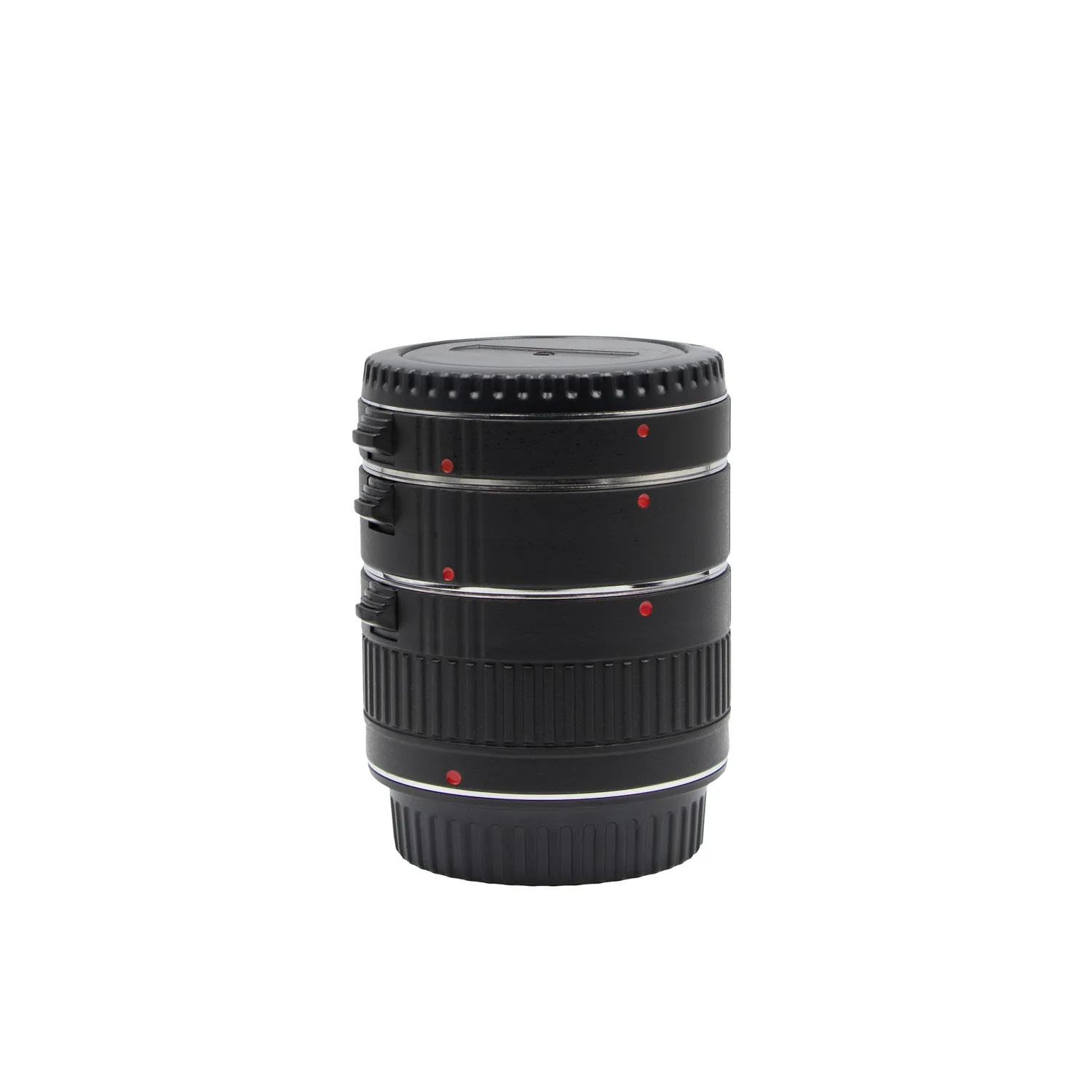
Because the M42 Extension Tube set has no electrical contacts, you'll need to focus manually and shoot in manual or aperture-priority mode, just like with the reverse ring. The trade-off is that you can combine different tube lengths to adjust the reproduction ratio, giving you more control over magnification.
Trade-offs at a glance
- Magnification potential: Reverse ring: very high magnification, limited by lens focal length and subject distance. Extension tubes: adjustable magnification by combining tube lengths (7, 14, 28 mm).
- Working distance: Reverse ring: extremely short (often less than 2 inches). Extension tubes: slightly longer, varies with tube length and lens focal length. If you need to light the subject from the front, extension tubes give you a bit more room.
- Ease of use: Reverse ring: quick to attach, but lens controls are harder to access. Extension tubes: lens stays in normal orientation, easier to compose and adjust settings. Extension tubes are more beginner-friendly for controlled macro work.
Product facts
-
Macro Reverse Ring for Sony - Camera Mount to Filter Thread Adapter for Sony Alpha E-Mount Camera Mounts: All metal design with a smooth surface; no optical insert; no electrical contacts. The metal build is durable, and the lack of glass preserves lens sharpness, but you must focus manually and use manual or aperture-priority mode.
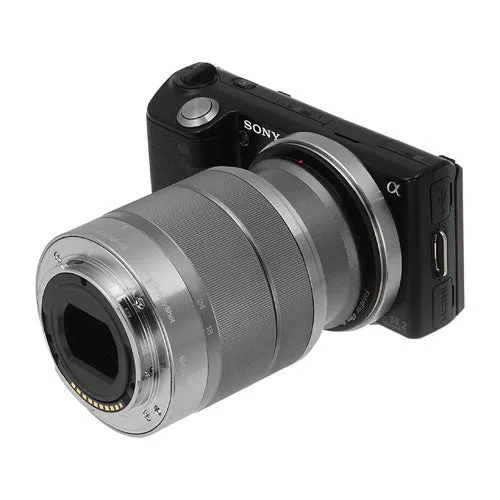
Macro Reverse Ring for Sony - Camera Mount to Filter Thread Adapter for Sony Alpha E-Mount Camera Mounts
-
Fotodiox Macro Extension Tube Set for M42 Screw Mount System Cameras for Extreme Close-up Photography: Includes 7mm, 14mm, and 28mm tube sections that can be combined for various reproduction ratios; no optical insert; no electrical contacts. You can fine-tune the magnification by stacking tubes, but the absence of electrical contacts means no autofocus or aperture control from the camera body.
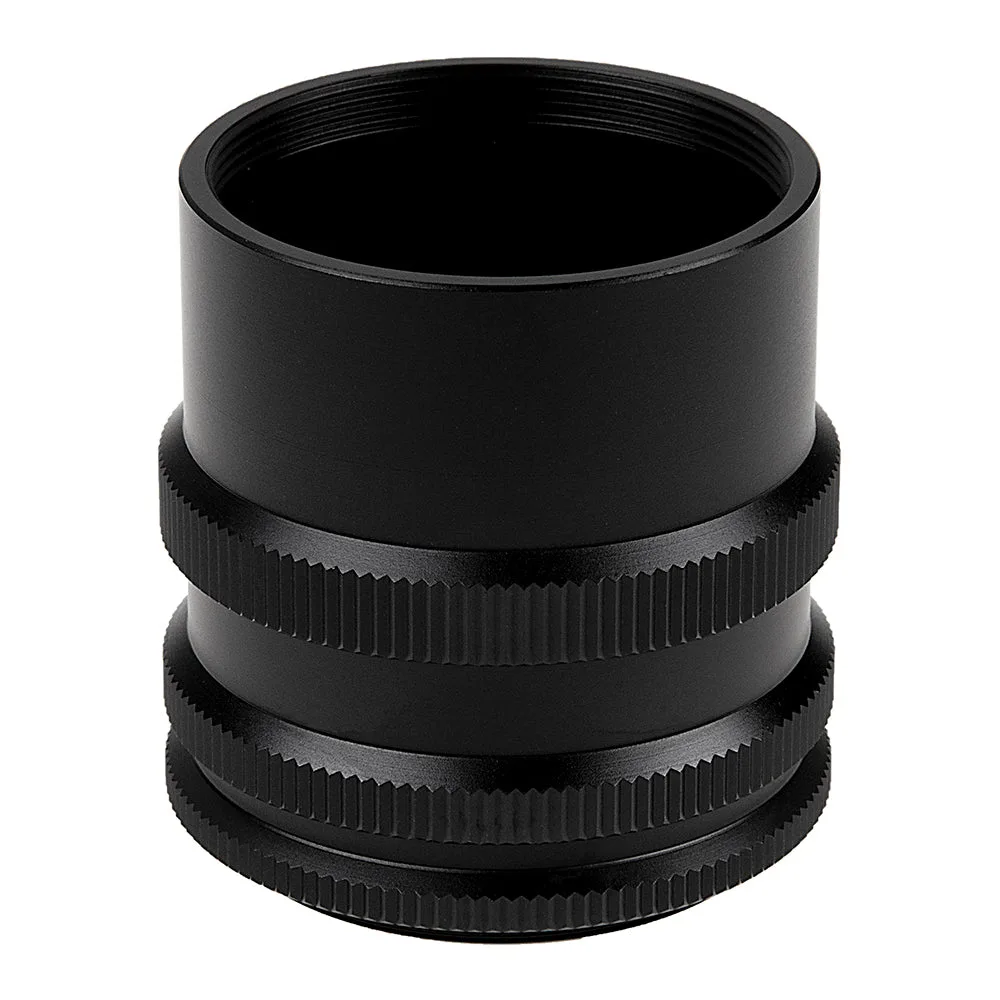
Fotodiox Macro Extension Tube Set for M42 Screw Mount System Cameras for Extreme Close-up Photography
Which should you choose?
Best for
- Extreme macro shots where maximum magnification is the priority, such as photographing tiny insects or details on coins (reverse ring).
- Flexible macro setups where you want to adjust magnification without changing lenses (extension tube set).
Not for
- Quick handheld shots where autofocus is needed (neither option provides electrical contacts).
- Subjects that require a long working distance, such as skittish insects or live animals.