Quick Answer
The best playing cards for magic depend on your needs: for sleight of hand, choose a deck with a durable, flexible card stock and a smooth finish; for gimmicked tricks, look for specially designed decks or add-ons. Consider the brand, card stock, and finish to match your performing style.
Choosing the right deck can make or break a magic performance. Whether you're a beginner learning your first card trick or a seasoned pro looking to upgrade, understanding the different types of playing cards is essential. This guide breaks down the key factors—card stock, finish, and deck types—so you can make an informed choice.
We'll explore the differences between standard and specialty decks, what card stock and finish mean for handling, and how to match a deck to your specific magic needs. By the end, you'll know exactly what to look for when buying your next deck.
Card Stock and Finish: What Matters
Card stock refers to the paper used to make the cards. Thicker stock feels sturdier and lasts longer, but can be harder to shuffle and handle. Thinner stock is more flexible and allows for easier manipulation, but may wear out faster. Most professional magic decks use a medium-weight stock that balances durability and handling.
The finish is a coating applied to the cards that affects how they slide and grip. A smooth finish is ideal for fans, spreads, and glides, while a textured finish provides more grip for certain moves. Air-cushion finishes are popular because they offer a good balance of smoothness and control.

moves
When choosing a deck, consider the type of magic you perform. If you do a lot of packet tricks or gimmicked effects, you might not need a premium stock. But if you practice sleight of hand daily, investing in a high-quality deck can improve your practice and performance.
- Test different card stocks to find what feels best in your hands.
- Look for a finish that matches your performance style—smooth for fans, textured for grips.
Standard vs. Specialty Decks
Standard decks, like those from major manufacturers, are the workhorses of magic. They're familiar to audiences, easy to replace, and often come in a variety of back designs. However, some magic effects require specialty decks with unique features, such as marked cards, one-way backs, or gimmicked cards.
Specialty decks can be designed for specific effects, like a deck that allows you to control a chosen card effortlessly. For example, some decks are engineered to make certain sleights easier, while others are meant for visual tricks. When choosing a specialty deck, think about the effect you want to achieve and whether the deck's features genuinely help.
Keep in mind that specialty decks may be more expensive and harder to replace. If you perform a lot, you might want a standard deck for daily use and a specialty deck for specific routines.
- Standard decks are versatile and budget-friendly.
- Specialty decks can enhance specific tricks but may be pricier.
How to Choose the Right Deck for Your Magic
Start by considering your skill level and the type of magic you perform. Beginners often benefit from a standard deck with a good finish, as it allows them to practice fundamental moves without worrying about damaging an expensive deck. As you progress, you can experiment with different stocks and finishes to find what suits your style.
Think about the performance context. If you perform close-up, you might prefer a deck that handles well in your hands. If you do stage magic, you might need a deck that's visible from a distance, which could mean larger cards or specific back designs.

visible
Finally, consider the audience. For some tricks, a borrowed deck is more convincing, but for others, your own deck is necessary. Having a few different types of decks in your arsenal ensures you're prepared for any situation.
- Match the deck to your skill level and performance style.
- Keep a variety of decks for different routines.
Decision Rules for Choosing Your Deck
- If you're a beginner: Start with a standard deck from a reputable brand. Look for a medium-weight card stock with a smooth finish. This will give you a good balance of handling and durability without breaking the bank. Practice with a deck you can replace easily.
- If you perform sleight of hand: Choose a deck with a flexible card stock that allows for easy shuffling and manipulation. A smooth finish is often preferred for fans and glides. Test a few to see which feels best. Invest in a quality deck that can withstand practice.
- If you use gimmicked cards: Consider the specific gimmick you need. Some effects require a deck with a particular back design or special features. Ensure the gimmick integrates well with the deck you plan to use. Check compatibility before buying.
Product Insights
- Bold Project - Volume 3: The final installment in the trilogy, the Bold Project Volume 3 caps off the masterclass in powerful effects and performance taught in the previous two volumes. With live performances shot on the streets of New York, and explanations filmed in the Ellusionist Loft Studio in Brooklyn, Justin Miller returns one last time to teach his wicked ways. If you're learning advanced card magic, this download offers real-world performance insights and techniques that can help you master powerful effects, complementing your choice of deck.
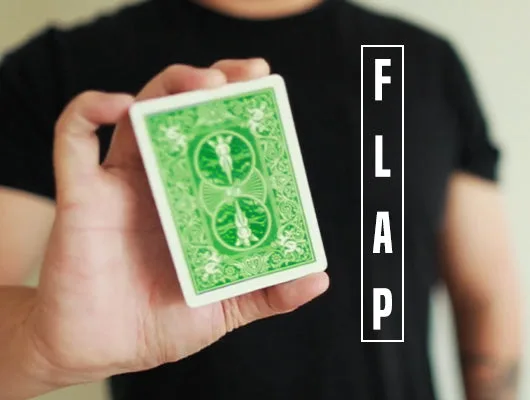
- flap-2-by-hondo-chen-897b7212309df34a23e7ed15-981202">Flap 2.0: Hondo will teach you his bidirectional locking system, 2 hours of every secret Hondo has ever discovered on creating Flap cards. Flap 2.0 gimmicks are seamless and 40% thinner, making them easier to build. For card magic that requires gimmicked cards, Flap 2.0 provides a method to create seamless flap cards, which can be used with any deck you choose, expanding your repertoire.
Finding Your Perfect Deck
Best for
- Beginners who need a reliable, affordable deck for practice
- Close-up performers who value smooth handling and durability
Not for
- Magicians who need specialized gimmicks that require custom decks
- Those who prefer a specific card stock that only premium brands offer
Understanding the different types of playing cards is the first step to improving your magic. Whether you choose a standard deck for everyday practice or a specialty deck for a specific effect, the right cards can enhance your performance. Take the time to explore your options, and you'll find the deck that feels like an extension of your hand.