Quick answer
If you want broad magnesium support without juggling multiple bottles, a magnesium complex capsule is a practical choice. Take it with a meal, ideally in the evening if relaxation is your goal. Choose a complex that lists specific forms like glycinate, citrate, and malate rather than a vague 'magnesium blend.'
What makes a magnesium complex different from a single-form supplement
A single-form magnesium supplement delivers one type, such as magnesium citrate or magnesium glycinate. A complex combines several forms in one capsule. Each form has different absorption characteristics and tissue preferences. For example, magnesium glycinate is often chosen for relaxation, while magnesium citrate supports digestion and magnesium malate is used for energy. A complex aims to cover multiple needs at once. This can be convenient, but it also means you get smaller amounts of each form compared to a dedicated single-form product. If you have a specific goal, a single form may be more targeted. If you want general support, a complex is a sensible starting point.
Who benefits most from a magnesium complex
People who struggle to get enough magnesium from food, such as those with limited diets or high stress, may find a complex helpful. Athletes and active individuals who lose magnesium through sweat can also benefit from a broad-spectrum formula. If you are looking for overall wellness support rather than a targeted effect, a complex is a good fit. However, if you are taking magnesium for a specific issue like constipation, a single form like magnesium citrate may be more effective. Similarly, if you need help with sleep, magnesium glycinate alone might be preferable. A complex is best for those who want a little of everything.
When to take magnesium complex capsules for best results
Magnesium absorption can be influenced by food and other nutrients. Taking your capsule with a meal may improve tolerance and uptake. If you are using magnesium to support relaxation or sleep, taking it in the evening is a common approach. Some people prefer to split the dose between morning and evening to maintain steady levels. Always follow the label directions. If you are unsure, start with one capsule and see how you feel. Avoid taking magnesium at the same time as high-dose calcium or iron supplements, as they can compete for absorption. Separating them by a few hours is a simple workaround.
How to read a magnesium complex label
Not all complexes are created equal. Look for specific forms listed on the supplement facts panel. A quality complex will name each form, such as magnesium glycinate, citrate, malate, and taurate. Avoid products that only list 'magnesium' without specifying the form. Also check the elemental magnesium per serving. This is the actual amount of magnesium you get, not the total weight of the compound. A typical dose ranges from 200 to 400 mg per serving. If the label does not state the elemental amount, it is hard to compare products. Finally, look for third-party testing seals if available, as they indicate purity and potency.
Potential trade-offs and who should choose a single form instead
A complex may contain forms that do not agree with you. For example, magnesium oxide is poorly absorbed and can cause digestive upset in some people. If you are sensitive, a complex with oxide may not be ideal. Also, because a complex splits the dose among several forms, you may not get a therapeutic amount of any single form. If you have a specific deficiency or health condition, a healthcare provider may recommend a higher dose of one form. In that case, a single-form supplement is more appropriate. Always consult your doctor before starting any new supplement, especially if you take medications or have kidney issues.
Decision rules for choosing a magnesium complex
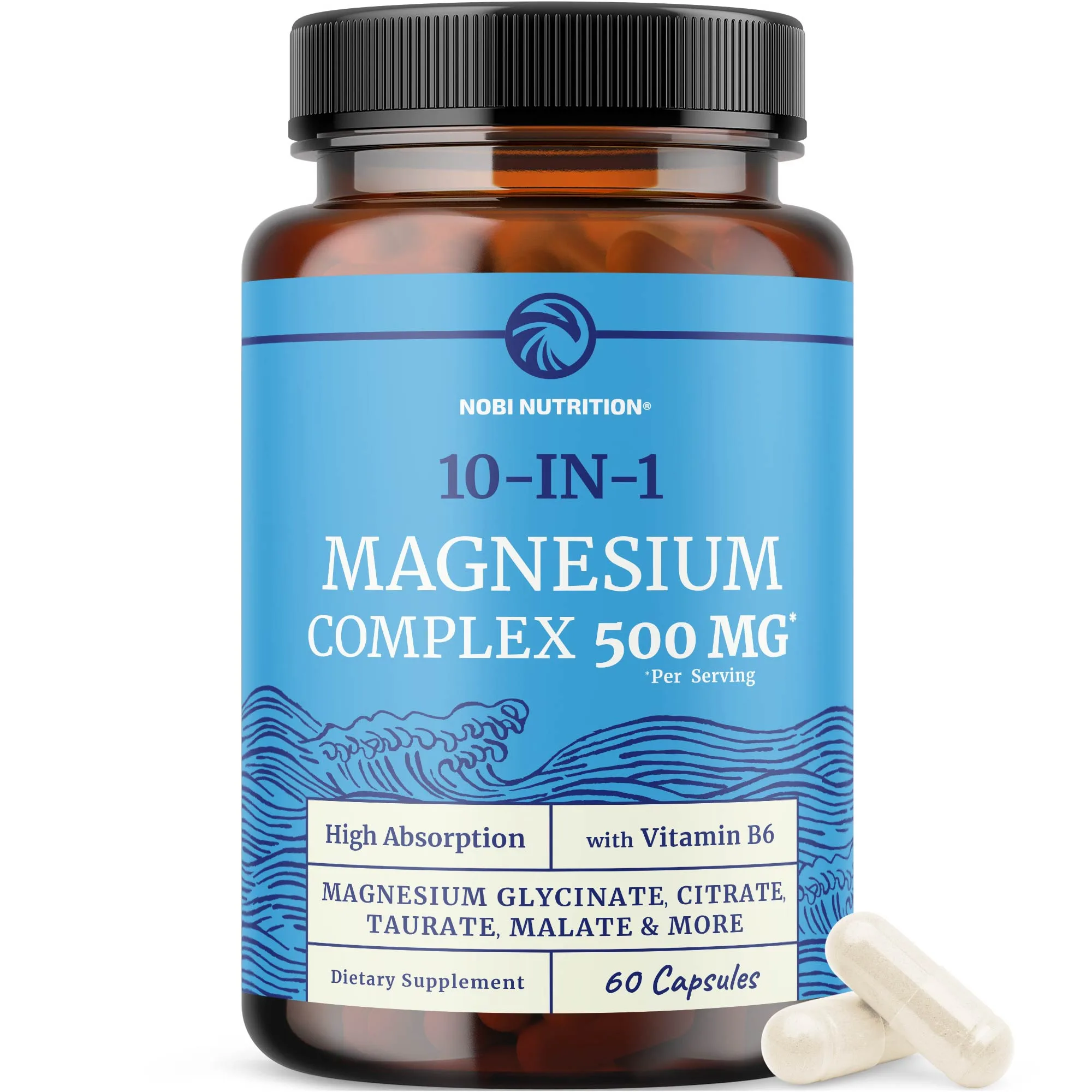
- If you want all-in-one convenience: Choose a complex with at least 5 forms, like Magnesium Complex Capsules, to cover a range of needs without multiple products. Check that the label lists specific forms, not just 'magnesium blend'.
- If you also need electrolyte support: Consider Potassium Magnesium Capsules, which combines 400mg each of potassium and magnesium. This is ideal for athletes or those with high sweat loss.
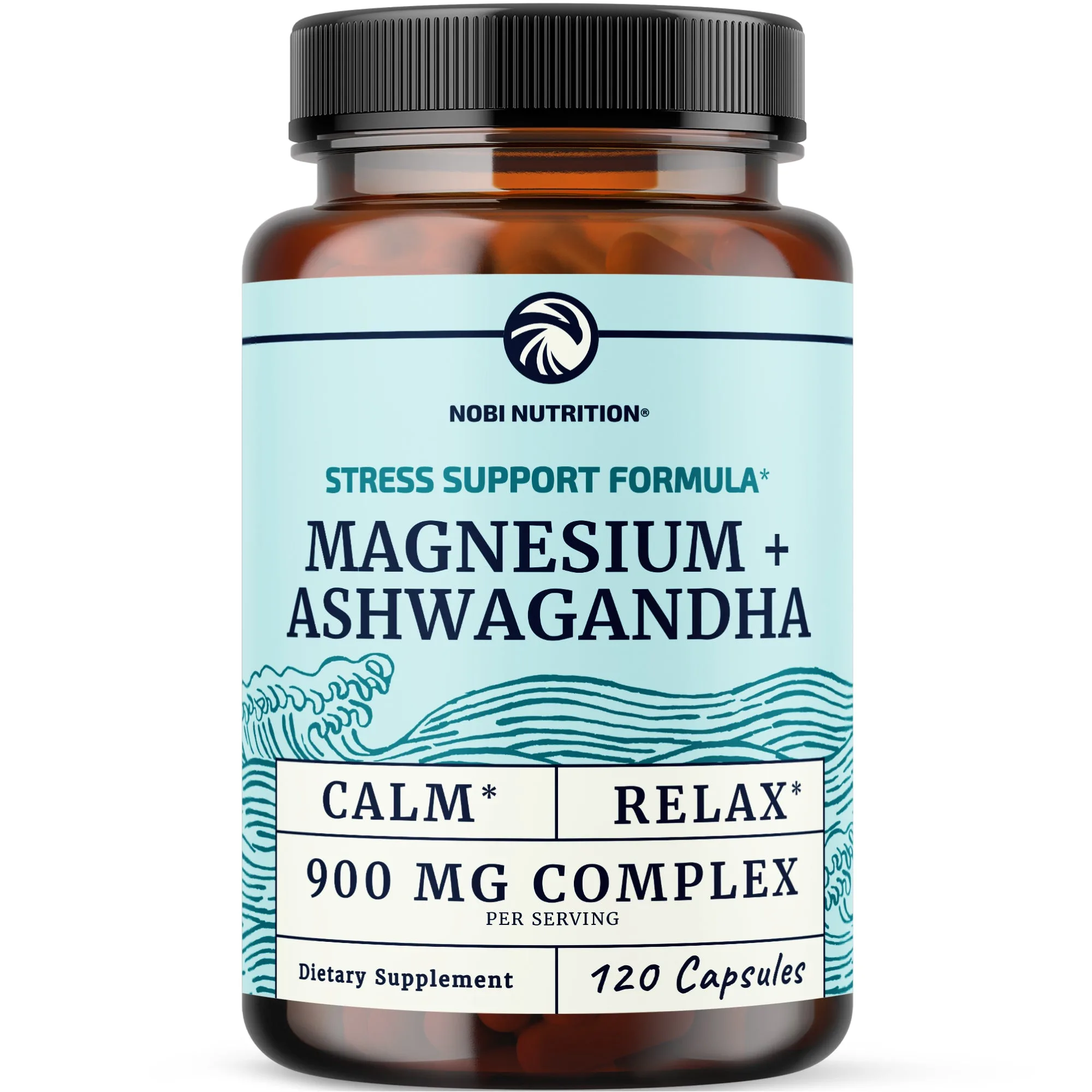
- If stress and relaxation are your focus: Look for Magnesium + Ashwagandha Capsules, which pairs 400mg magnesium citrate with 500mg ashwagandha. Take in the evening to support wind-down.
- If you have a specific deficiency or medical condition: A single-form magnesium like glycinate or citrate may be more appropriate. Consult your healthcare provider. Do not rely on a complex for therapeutic dosing without professional guidance.
Product facts
- Magnesium Complex Capsules: Formulated with 10 bioavailable forms including Glycinate, Citrate, Malate, Taurate, Lactate, Aspartate, Succinate, Oxide, Orotate, and Gluconate. This broad spectrum covers multiple potential benefits in one capsule, from relaxation to energy support, without needing separate bottles.
- Potassium Magnesium Capsules: Combines Potassium Aspartate + Chloride with Magnesium Citrate + Oxide, providing 400mg Potassium and 400mg Magnesium per serving. If you also need electrolyte support, this formula addresses both magnesium and potassium in one product, which is convenient for hydration and balance.
- Magnesium + Ashwagandha Capsules: Each serving contains 400mg Magnesium Citrate and 500mg Ashwagandha to support muscle relaxation and stress. This is a good option if your main goals are relaxation and stress management, as it pairs magnesium with an adaptogen.
Is a magnesium complex right for you?
Best for
- People who want general magnesium support without choosing a single form
- Those who prefer one capsule over multiple supplements
- Individuals with active lifestyles or high stress who may need broader support
Not for
- Anyone seeking a high dose of a specific form for a targeted issue
- People with kidney disease or those taking certain medications without medical advice
- Those who experience digestive upset from magnesium oxide