Whether you're a weekend warrior or a competitive athlete, muscle recovery is the key to consistent progress. After a tough workout, your muscles need time to repair, rebuild, and grow stronger. While protein and rest often steal the spotlight, one mineral quietly does heavy lifting behind the scenes: magnesium.
Magnesium is involved in over 300 enzymatic reactions in the body, including muscle contraction, protein synthesis, and energy production. When you exercise, your magnesium levels can drop due to sweat and increased demand, leaving you feeling sore, cramped, and sluggish. In this guide, we'll explore how magnesium supports muscle recovery, the best forms to take, and practical tips for incorporating it into your routine.
Why Magnesium Matters for Muscle Function and Recovery
Magnesium plays a dual role in muscle health: it helps muscles relax after contraction and supports the repair process. During exercise, calcium triggers muscle contraction, while magnesium helps them relax. Without adequate magnesium, muscles can stay in a contracted state, leading to cramps, spasms, and prolonged soreness.
Beyond relaxation, magnesium is crucial for protein synthesis—the process your body uses to rebuild muscle fibers after a workout. It also supports ATP production, the energy currency of your cells, which is essential for both performance and recovery. Studies suggest that magnesium deficiency can impair exercise performance and increase the risk of muscle damage.
- Supports muscle relaxation and reduces cramps
- Aids in protein synthesis for muscle repair
- Helps replenish energy stores post-workout
How Magnesium Reduces Soreness and Muscle Pain
Delayed onset muscle soreness (DOMS) is that familiar ache you feel 24-72 hours after intense exercise. Magnesium may help alleviate this by reducing inflammation and oxidative stress. It also plays a role in regulating calcium in muscle cells, which can prevent excessive contraction and the resulting micro-tears.
A 2021 study on athletes found that magnesium supplementation reduced markers of muscle damage and perceived soreness after a marathon. While more research is needed, many athletes report fewer cramps and faster recovery when they maintain optimal magnesium levels.
- Take magnesium within 30 minutes post-workout to support recovery
- Combine with gentle stretching and hydration for best results
Choosing the Right Magnesium Supplement for Recovery
Not all magnesium supplements are created equal. The form affects absorption and how well it targets muscle recovery. For athletes, magnesium glycinate is often recommended because it's highly absorbable and gentle on the stomach. It also has a calming effect, which can promote better sleep—another critical component of recovery.
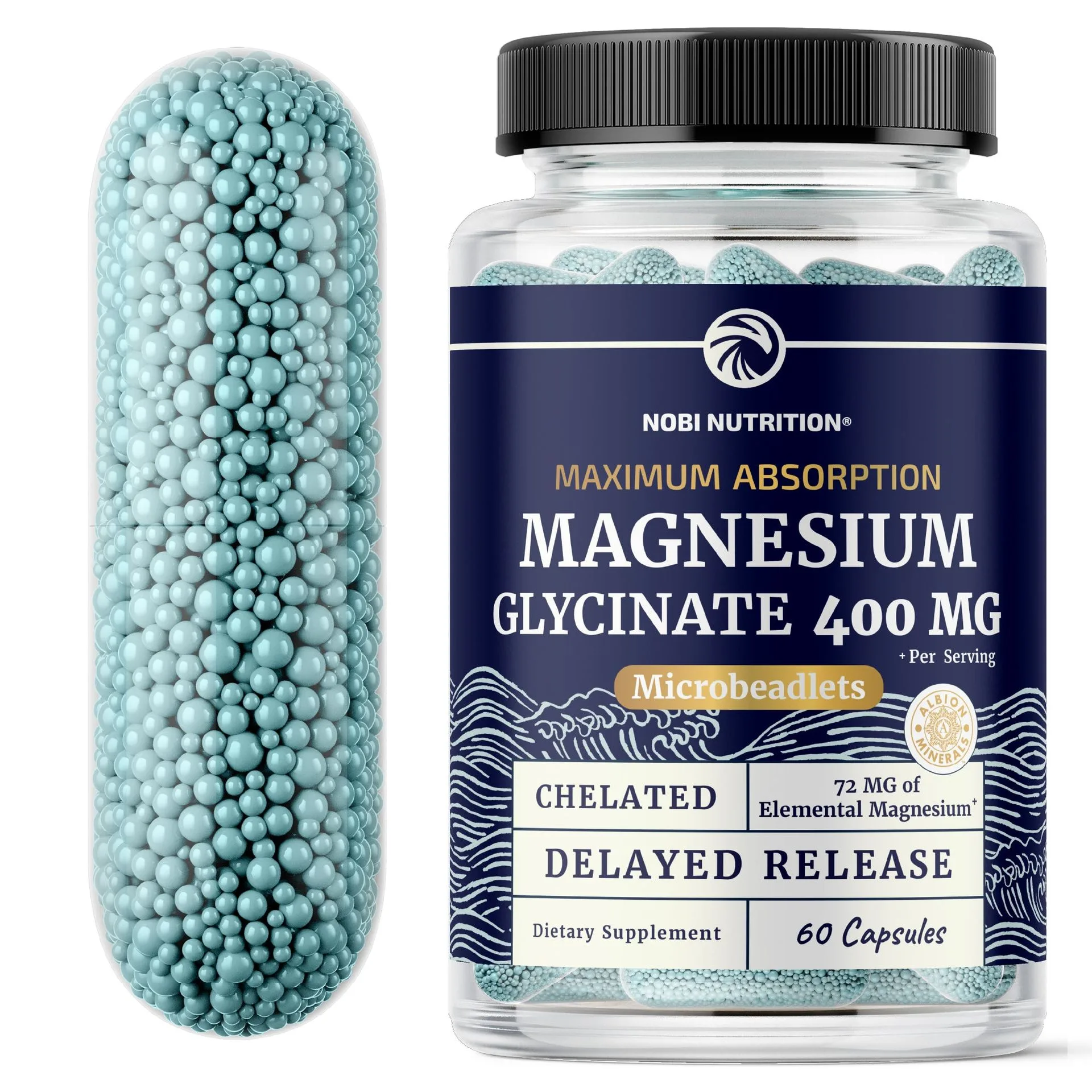
If you're looking for a convenient option, Magnesium Glycinate Beadlets offer a unique beadlet format that's easy to swallow and gentle on digestion. Alternatively, Magnesium Bisglycinate 500mg Capsules provide a higher dose for those with intense training schedules.
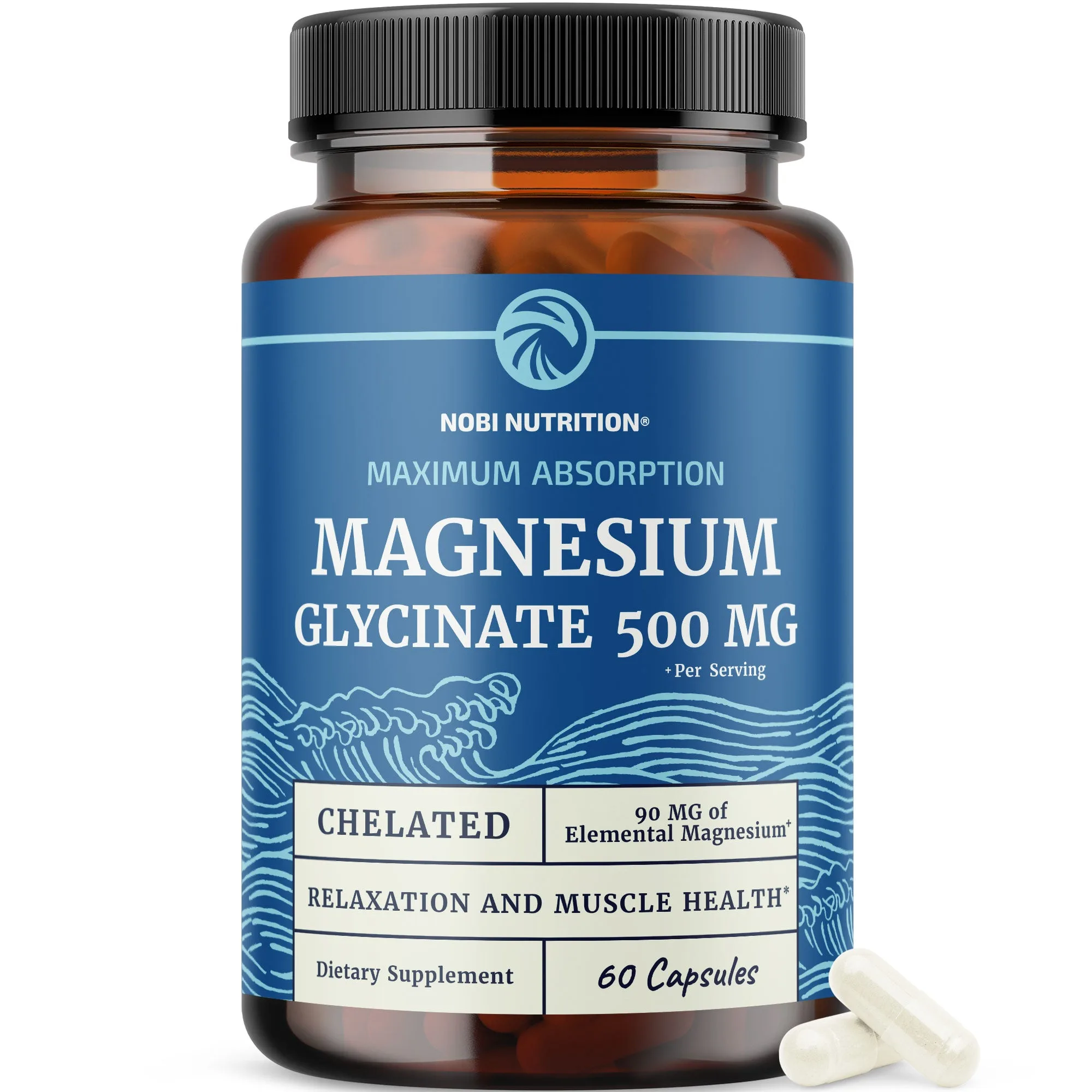
Magnesium Bisglycinate 500mg Capsules
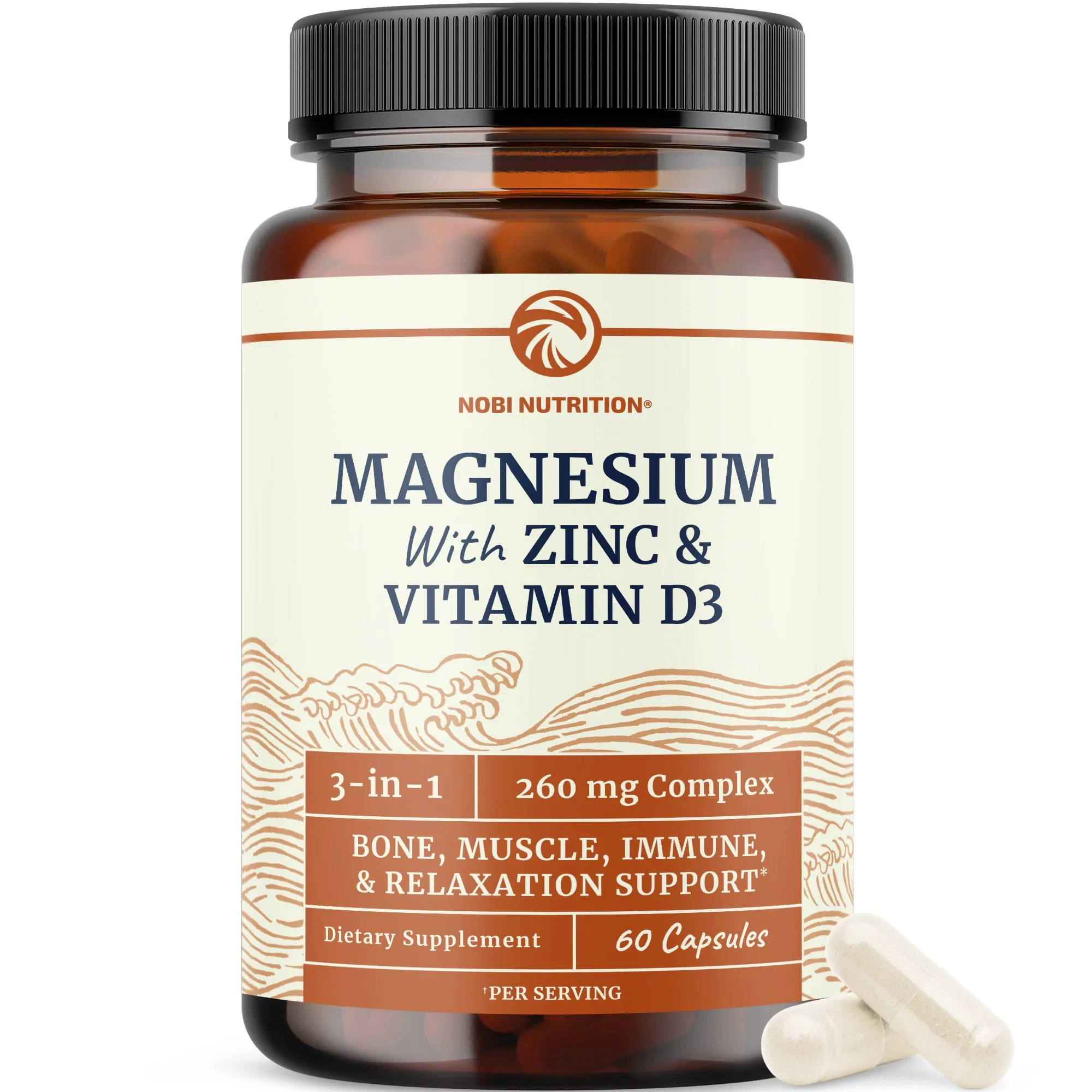
For a more comprehensive approach, consider a formula that includes other recovery-supporting nutrients. Magnesium, Zinc, and D3 Capsules combine magnesium with zinc (important for immune function and hormone balance) and vitamin D (which supports bone health and muscle function). This trio can be especially beneficial for athletes who train outdoors or have limited sun exposure.
- Magnesium glycinate is ideal for muscle recovery and sleep
- Look for third-party tested products to ensure purity
- Start with a lower dose and gradually increase to avoid digestive upset
When and How to Take Magnesium for Best Results
Timing can make a difference. Taking magnesium after your workout helps replenish what was lost through sweat and supports the recovery process. Some experts also recommend taking it in the evening, as it can promote relaxation and improve sleep quality—both essential for muscle repair.
The recommended dietary allowance (RDA) for magnesium is around 400-420 mg for men and 310-320 mg for women, but athletes may need more. Start with a lower dose (200-300 mg) and adjust based on your needs. Always consult with a healthcare provider, especially if you have kidney issues or are taking medications.
- Post-workout: take magnesium within 30 minutes to an hour
- Evening: take magnesium 1-2 hours before bed for better sleep
- Split your dose: morning and evening for sustained levels
Other Ways to Boost Your Magnesium Intake
While supplements are a convenient way to meet your needs, you can also increase magnesium through your diet. Foods rich in magnesium include leafy greens, nuts, seeds, whole grains, and dark chocolate. For example, a handful of almonds provides about 80 mg of magnesium.
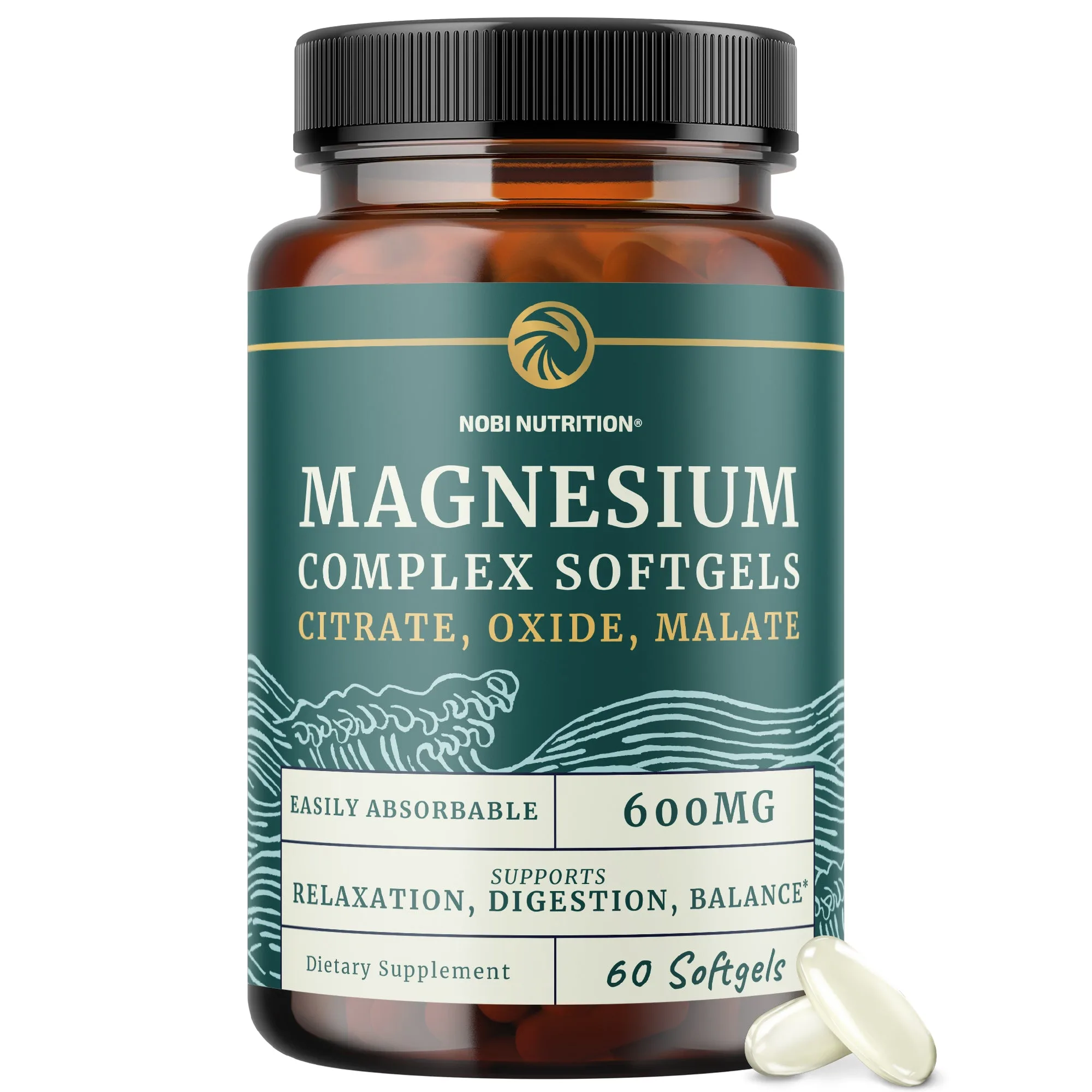
However, food alone may not be enough for athletes with high needs. That's where supplements come in. If you prefer a softgel format, Magnesium Soft Gel offers a convenient option. For those who want a combined formula, Calcium, Magnesium, Vitamin D, and Zinc Tablets provide a multi-nutrient approach that supports bone health and muscle function.
- Add spinach, pumpkin seeds, and black beans to your meals
- Consider a magnesium supplement to fill the gap
Magnesium is a powerhouse mineral for anyone serious about muscle recovery. From reducing soreness to supporting protein synthesis and better sleep, it's an essential part of an athlete's toolkit. Whether you choose a targeted magnesium supplement or a combined formula, integrating it into your post-workout routine can help you bounce back faster and train harder. Explore our selection of high-quality magnesium supplements to find the right fit for your recovery needs.