Stress has become an almost unavoidable part of modern life. From demanding jobs to constant digital notifications, your body’s stress response can stay switched on for far too long. Over time, this chronic state takes a toll on your sleep, mood, and even your physical health. While many people reach for caffeine or comfort food to cope, there’s a natural mineral that plays a vital role in calming your nervous system: magnesium.
Magnesium is involved in over 300 biochemical reactions in the body, including those that regulate your stress response. When you’re stressed, your body depletes magnesium rapidly, and low magnesium levels can make you more susceptible to anxiety and tension. This creates a vicious cycle. Understanding how magnesium works for stress relief can help you break that cycle and restore a sense of calm.
How Magnesium Affects Stress and Cortisol
Magnesium helps regulate the hypothalamic-pituitary-adrenal (HPA) axis, which controls your body’s stress response. When you encounter a stressful situation, your adrenal glands release cortisol, the primary stress hormone. While cortisol is essential for short-term survival, chronically elevated cortisol can lead to anxiety, sleep disturbances, and even weight gain. Magnesium has been shown to modulate the HPA axis, helping to keep cortisol levels in check.
Research suggests that magnesium supplementation can reduce the release of stress hormones and act on the parasympathetic nervous system—the 'rest and digest' system. This promotes relaxation and helps you feel more grounded. By supporting healthy cortisol rhythms, magnesium may also improve your ability to handle daily stressors without feeling overwhelmed.
- Magnesium supports the HPA axis, helping to regulate cortisol production.
- It activates the parasympathetic nervous system, promoting calm.
- Chronic stress depletes magnesium, making supplementation even more important.
Magnesium and Anxiety: What the Science Says
Anxiety is one of the most common mental health concerns, and magnesium has been studied for its potential to reduce symptoms. Magnesium binds to and activates GABA receptors in the brain. GABA is an inhibitory neurotransmitter that slows down nerve activity, producing a calming effect. By enhancing GABA activity, magnesium may help quiet racing thoughts and reduce feelings of nervousness.
Several studies have found that magnesium supplementation can improve anxiety symptoms, especially in people with low magnesium levels. While it’s not a replacement for professional treatment, magnesium can be a valuable part of a holistic approach to managing anxiety. Combined with therapy, exercise, and good sleep, magnesium may help you feel more resilient in the face of stress.
- Magnesium activates GABA receptors, promoting relaxation.
- Low magnesium levels are linked to higher anxiety and stress.
- Supplementation may help reduce symptoms in those with deficiencies.
Choosing the Right Magnesium Supplement for Stress
Not all magnesium supplements are created equal. The form of magnesium determines how well it is absorbed and how effectively it crosses the blood-brain barrier. For stress relief, you want a form that is both bioavailable and calming. Magnesium bisglycinate, for example, is bound to the amino acid glycine, which itself has calming properties. This makes it an excellent choice for promoting relaxation and supporting sleep.
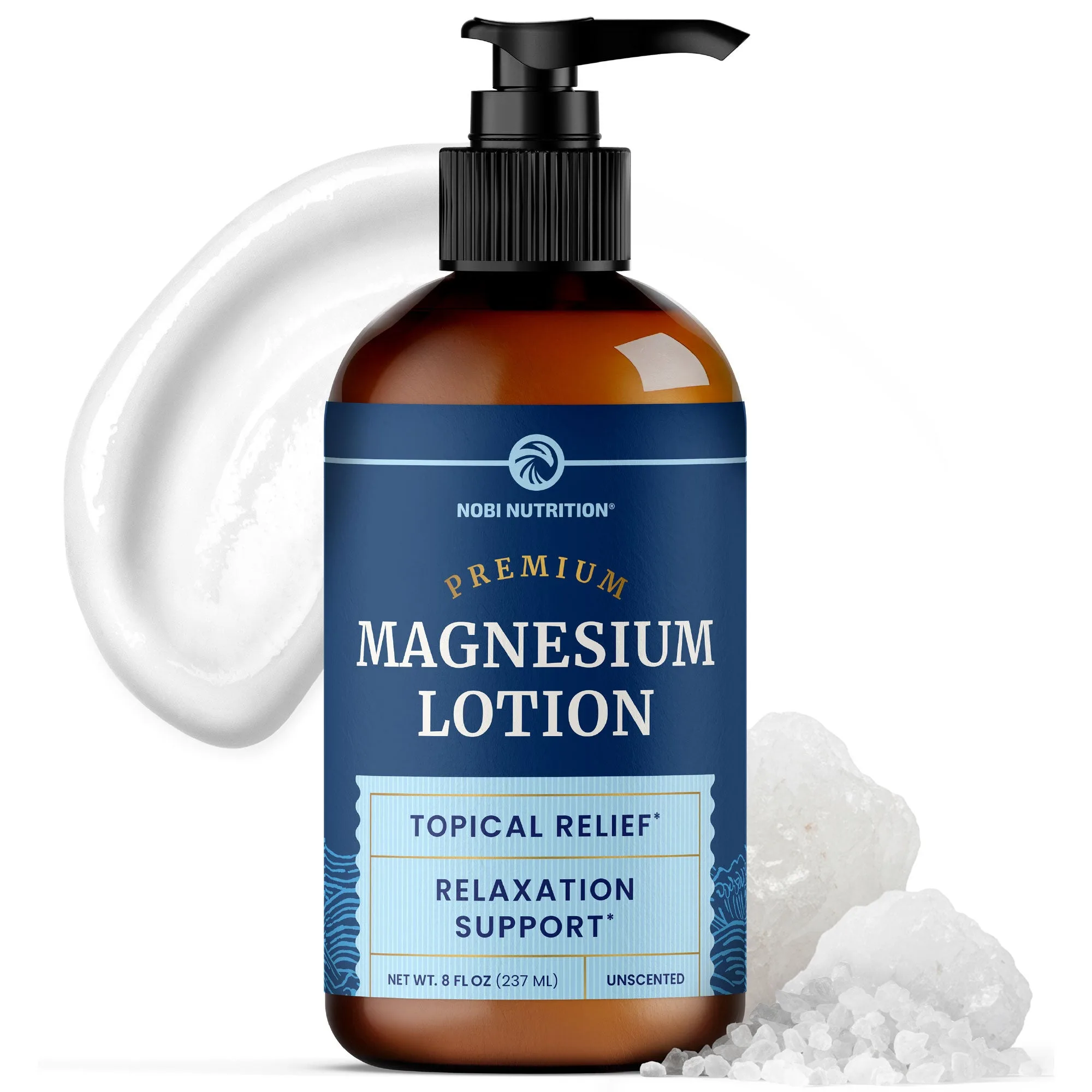
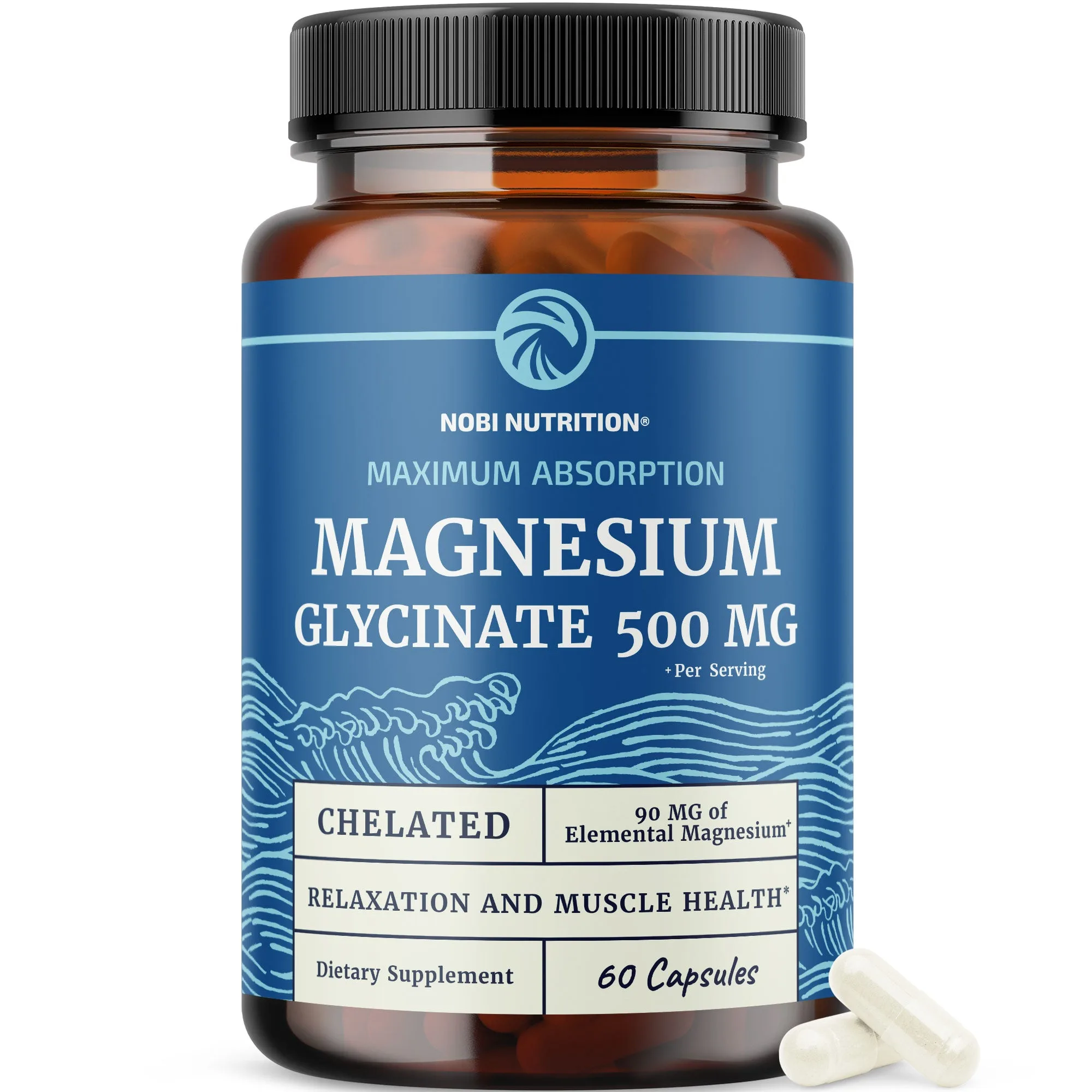
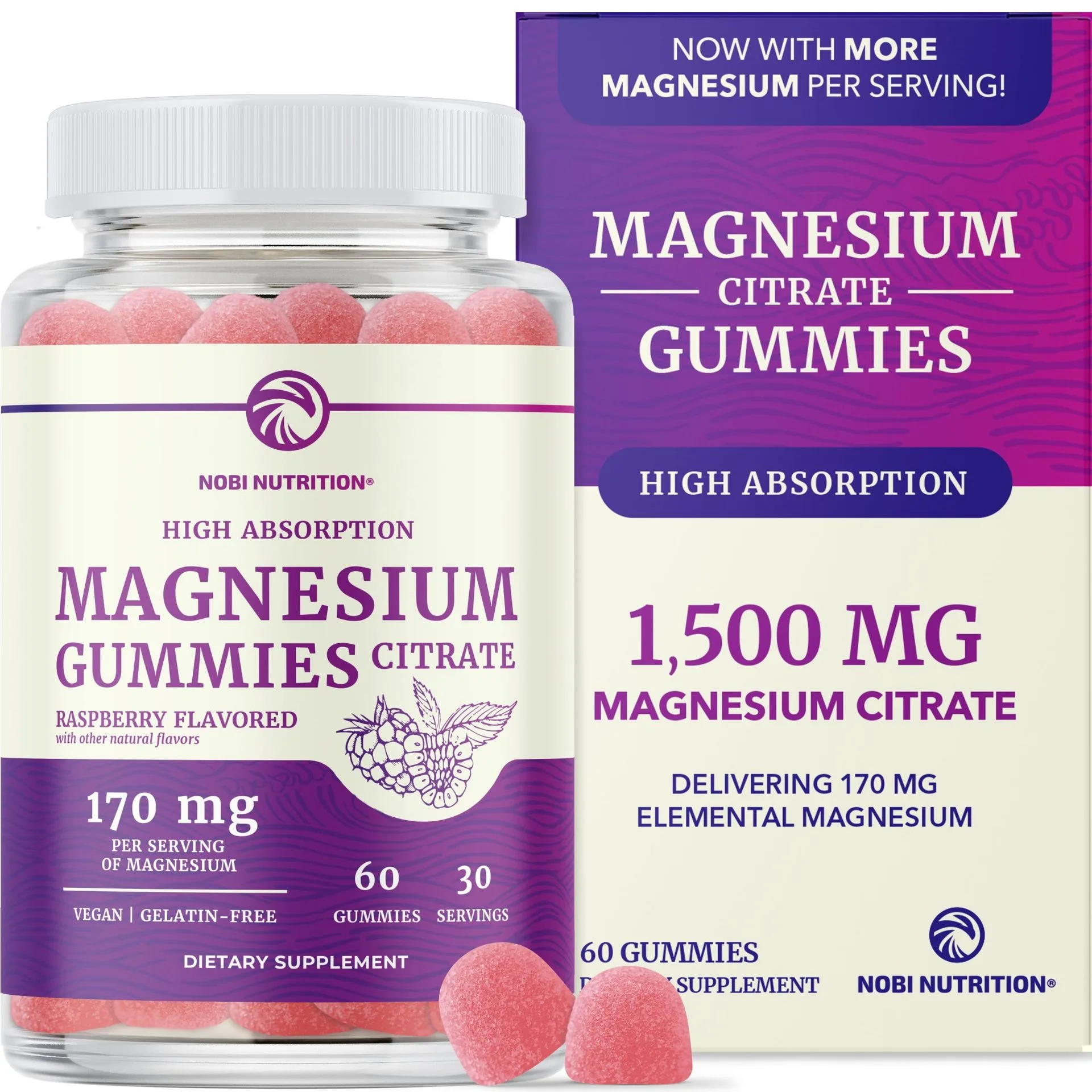
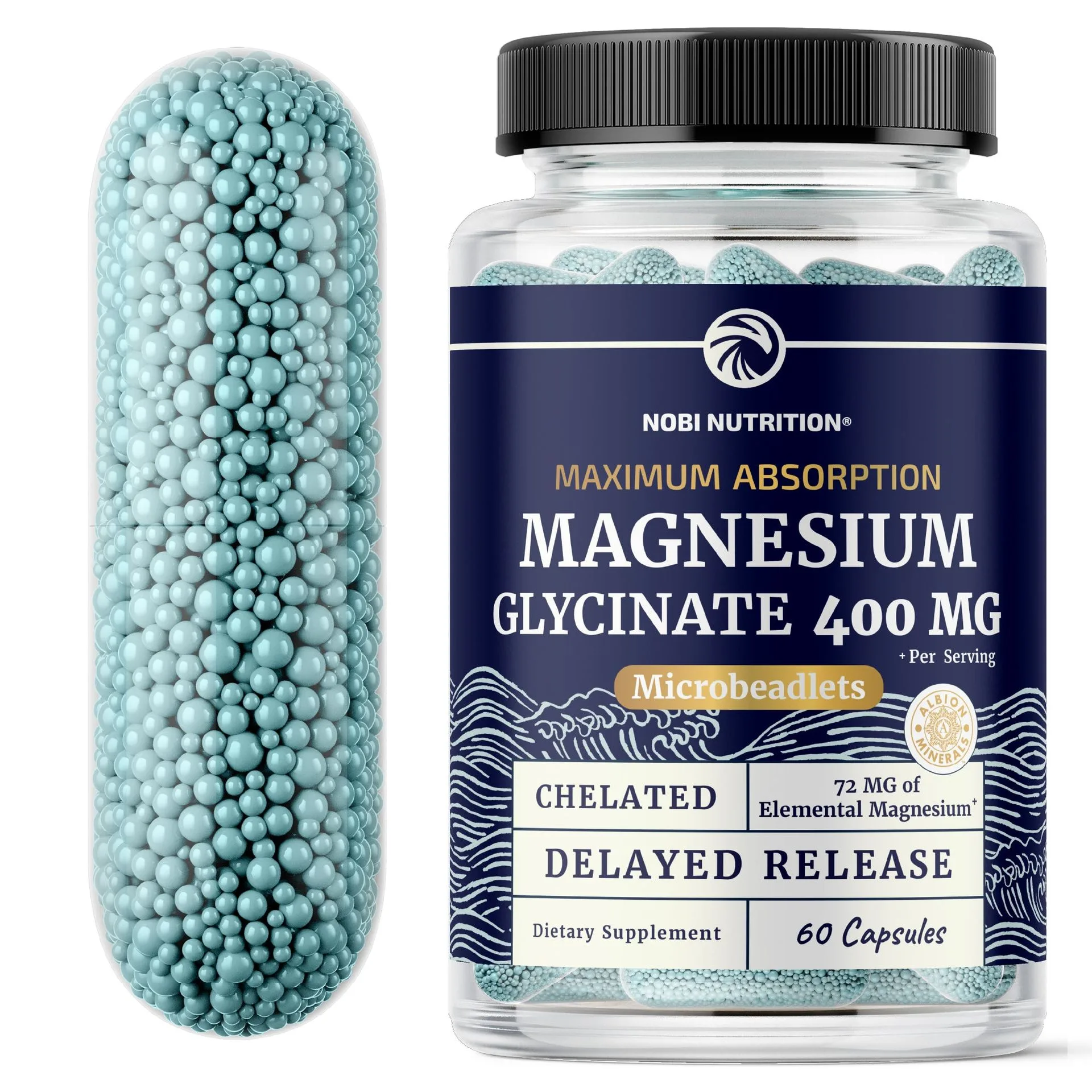
Other popular forms include magnesium citrate, which is more commonly used for digestive support, and magnesium glycinate beadlets, which offer a gentle option for those with sensitive stomachs. For a convenient way to get your daily dose, magnesium gummies are a tasty option, while magnesium lotion cream can be applied topically for localized relaxation. If you prefer a simple capsule, magnesium bisglycinate 500mg capsules provide a potent dose.
- Magnesium bisglycinate is ideal for stress and sleep due to glycine.
- Magnesium citrate is better for digestion but can be less calming.
- Consider your preferred format: capsules, gummies, or topical cream.
How to Use Magnesium for Stress Relief
To get the most benefit from magnesium for stress, consistency is key. The recommended dietary allowance (RDA) for magnesium is around 400-420 mg for men and 310-320 mg for women, but many experts suggest higher doses for stress support. Start with a lower dose and gradually increase to avoid digestive upset. Taking magnesium in the evening may enhance its calming effects and improve sleep quality.
Pairing magnesium with other stress-supporting nutrients, such as vitamin B6, can enhance its absorption and effectiveness. You can also combine magnesium with lifestyle practices like deep breathing, meditation, or gentle yoga. Remember to talk to your healthcare provider before starting any new supplement, especially if you have kidney issues or are taking medications.
- Start with a low dose and increase gradually.
- Take magnesium in the evening to promote relaxation and sleep.
- Combine with mindfulness practices for best results.
Top Magnesium Products for Stress Relief
At Nobi Nutrition, we offer several high-quality magnesium supplements to support your stress management goals. Our Magnesium Bisglycinate 500mg Capsules are a top choice for those seeking a potent, calming dose. For a more versatile option, our Magnesium Lotion Cream allows you to apply magnesium directly to your skin, which some find soothing after a long day. If you prefer a chewable, our Magnesium Gummies are both delicious and effective.
Each of these products is designed with bioavailability in mind, ensuring your body can absorb and use the magnesium efficiently. Whether you’re dealing with occasional stress or chronic anxiety, incorporating a magnesium supplement into your daily routine can make a noticeable difference in how you feel.
- Magnesium Bisglycinate 500mg Capsules: high potency and calming.
- Magnesium Lotion Cream: topical application for targeted relief.
- Magnesium Gummies: convenient, tasty, and kid-friendly.
Magnesium is a powerful ally in the fight against stress. By supporting your nervous system, regulating cortisol, and promoting relaxation, it can help you feel calmer and more resilient. Whether you choose capsules, gummies, or a topical cream, making magnesium a part of your daily routine is a simple step toward better stress management. Explore our selection of magnesium supplements to find the perfect fit for your needs.