Magnesium is an essential mineral involved in over 300 enzymatic reactions, from muscle function and energy production to sleep regulation and bone health. With the growing popularity of magnesium supplements, consumers often face a choice between gummies and capsules. Both forms promise convenience and health benefits, but which one is truly more effective for daily intake?
In this comparison, we'll break down the key differences between magnesium gummies and capsules, including absorption rates, sugar content, dosage accuracy, and overall value. By the end, you'll know exactly which form aligns with your wellness goals and lifestyle.
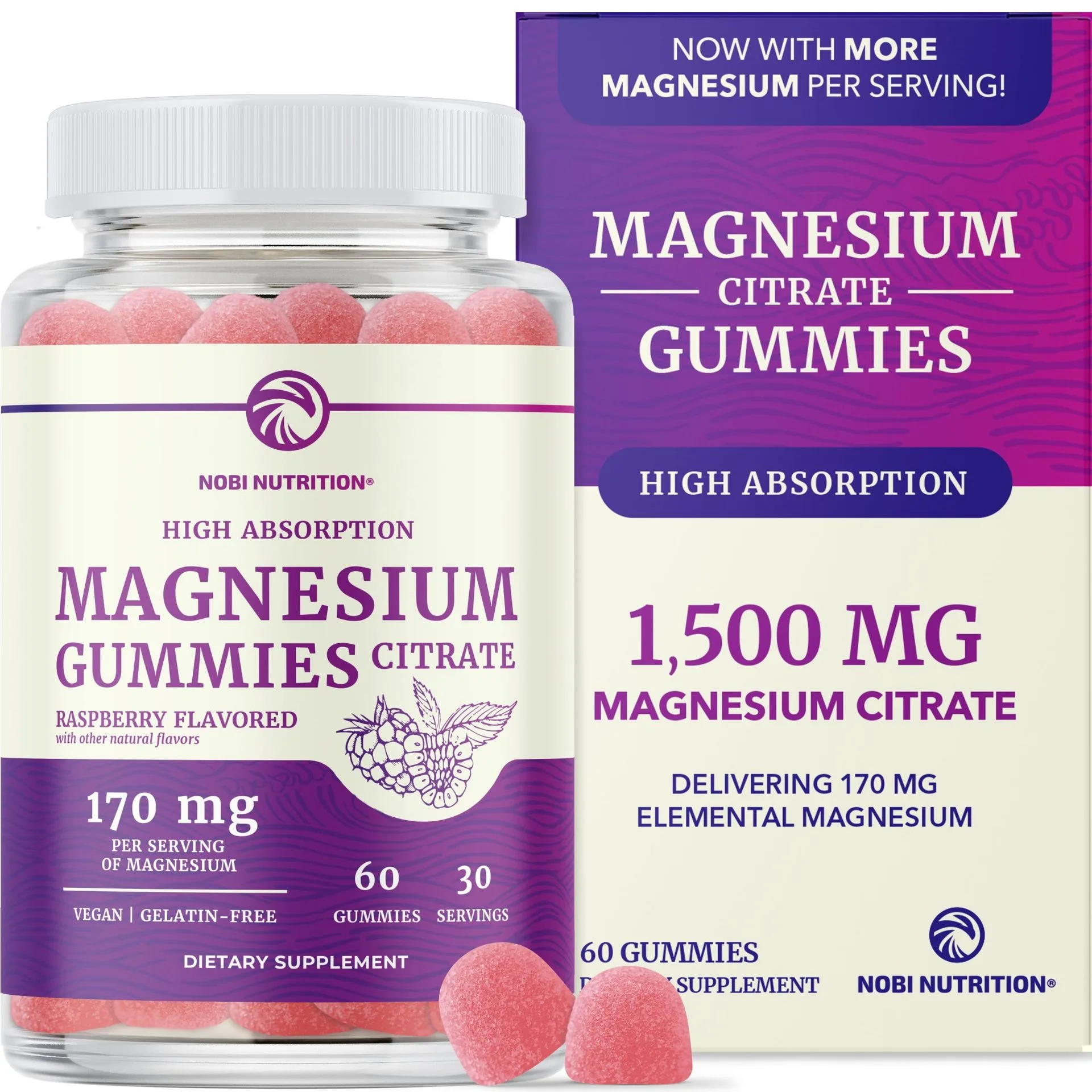
magnesium gummies
Absorption and Bioavailability: Capsules Take the Lead
When it comes to absorption, capsules generally have an edge over gummies. Capsules typically contain magnesium in forms like bisglycinate, malate, or citrate, which are highly bioavailable. For example, magnesium bisglycinate is chelated to an amino acid, allowing for superior absorption and less digestive upset. Capsules also allow for precise dosing, ensuring you get the exact amount of magnesium you need without added sugars or fillers.
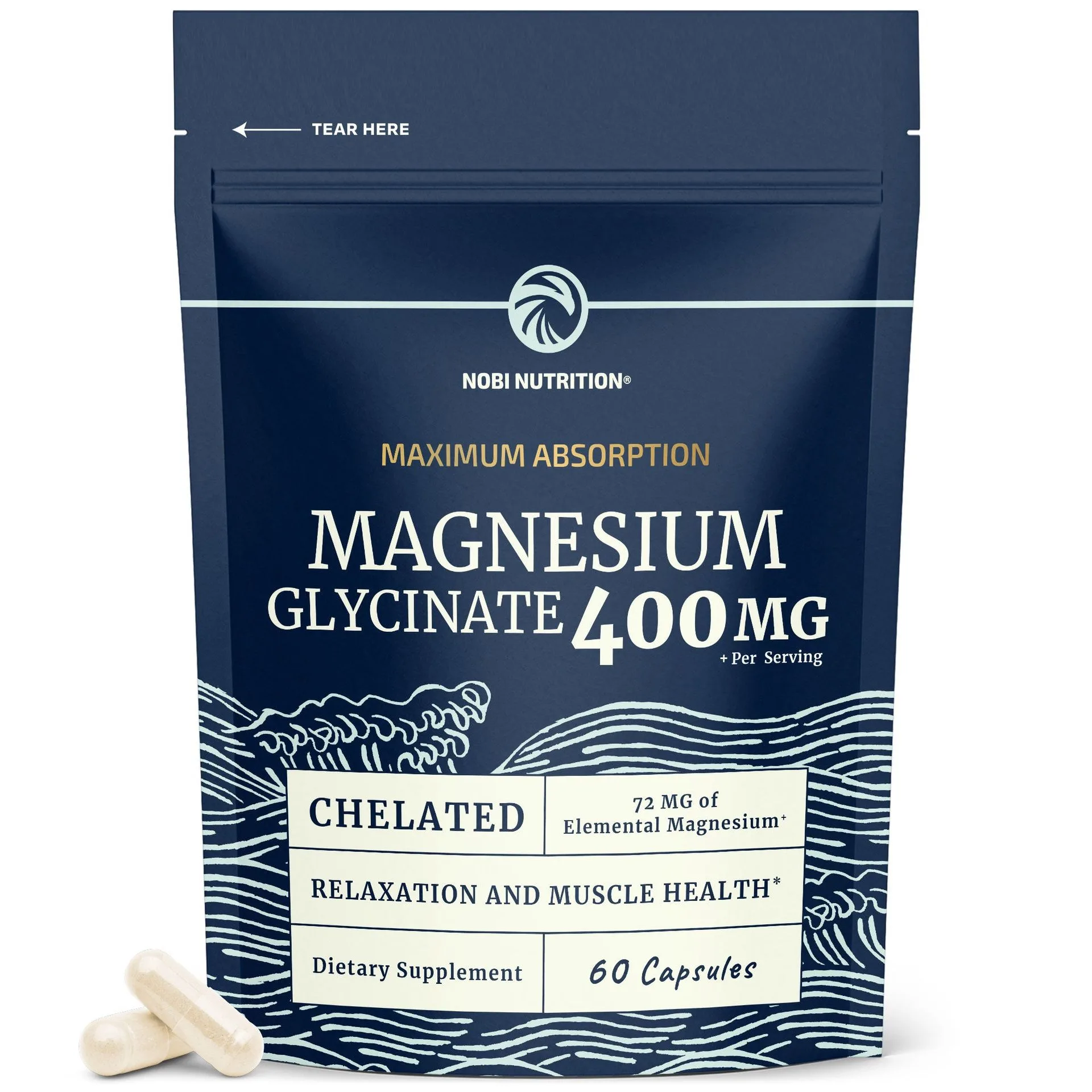
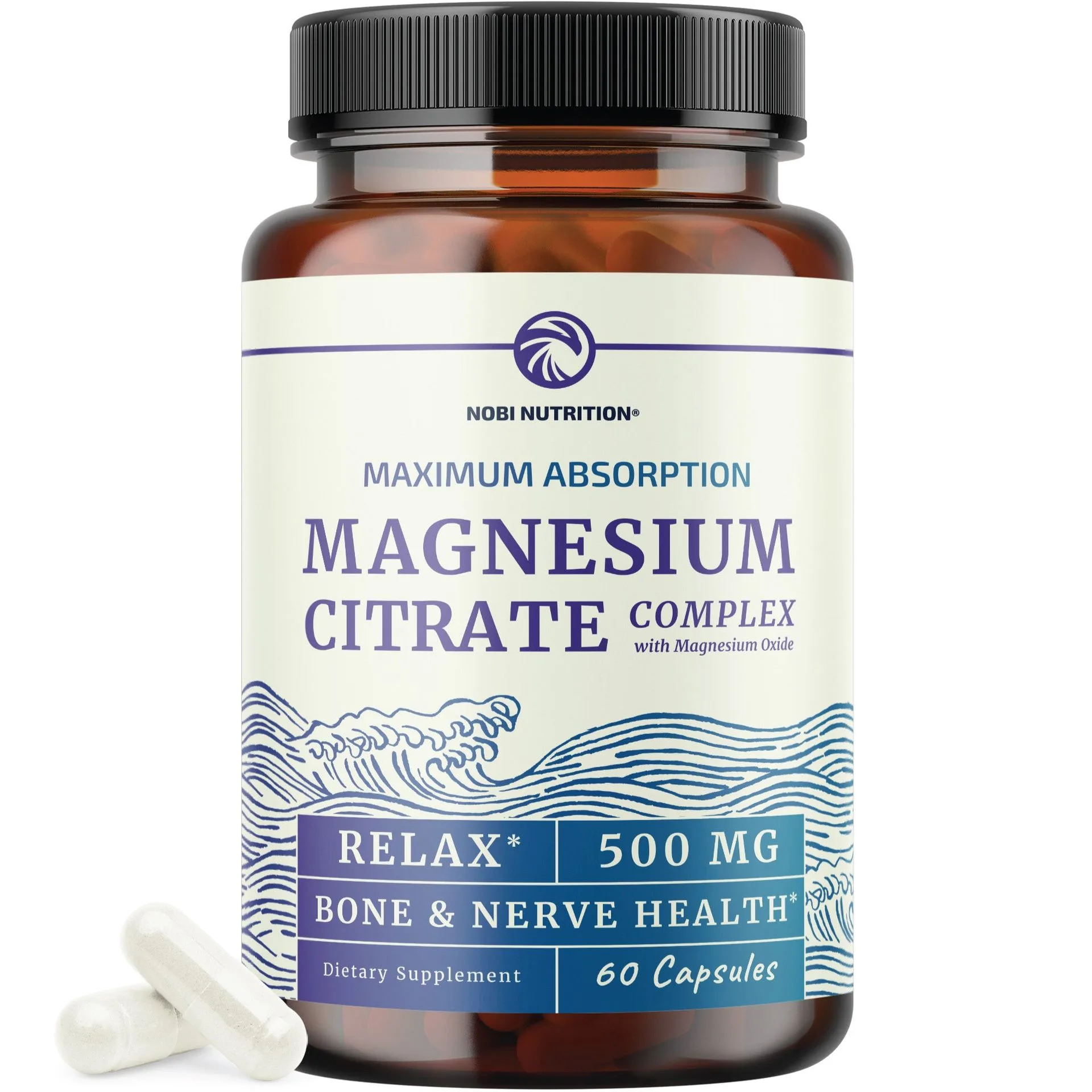
Gummies, on the other hand, often use magnesium citrate or oxide, which are less bioavailable. Moreover, the manufacturing process for gummies may reduce the potency of the mineral. While some gummies are formulated with quality ingredients, the added sugars and gelling agents can interfere with absorption. If you're looking for maximum effectiveness, capsules like Magnesium Bisglycinate 400mg Capsules or Magnesium Citrate Complex Capsules are excellent choices.
- Capsules offer precise dosing and higher bioavailability.
- Gummies may contain lower-quality magnesium forms and added sugars.
Sugar Content and Additives: A Closer Look
One of the biggest drawbacks of magnesium gummies is their sugar content. To make them palatable, manufacturers often add significant amounts of sugar or artificial sweeteners. For those monitoring their sugar intake or managing conditions like diabetes, this can be a dealbreaker. Even 'sugar-free' gummies may contain sugar alcohols that can cause digestive discomfort.
Capsules, in contrast, are typically free of added sugars and unnecessary additives. They contain just the active ingredient and a capsule shell, making them a cleaner option for daily supplementation. If you're looking for a pure, no-frills supplement, capsules are the way to go. Products like Magnesium Malate Capsules offer a clean formulation without any sweeteners or artificial ingredients.
- Gummies often contain 2-5 grams of sugar per serving.
- Capsules are sugar-free and contain minimal additives.
Convenience and Compliance: Gummies Win on Taste
There's no denying that gummies are more enjoyable to take. Their pleasant taste and chewy texture make them a favorite among those who struggle with swallowing pills. For children or adults who dislike capsules, gummies can improve supplement compliance, ensuring you don't miss a dose.
However, convenience comes at a cost. Gummies are often more expensive per serving than capsules, and they may require refrigeration to maintain their texture. On the other hand, capsules are easy to store, travel well, and have a longer shelf life. If you prioritize taste and ease of consumption, gummies might be your pick, but for overall practicality and value, capsules are hard to beat.
- Gummies are ideal for those who dislike swallowing pills.
- Capsules are more cost-effective and have a longer shelf life.
Dosage Accuracy and Flexibility
Capsules allow for precise control over your magnesium intake. Whether you need 200mg or 400mg, you can easily adjust your dose. This is particularly important for individuals with specific health needs or those taking magnesium for therapeutic purposes. Gummies, by contrast, often have a fixed dosage per piece, making it harder to customize your intake.
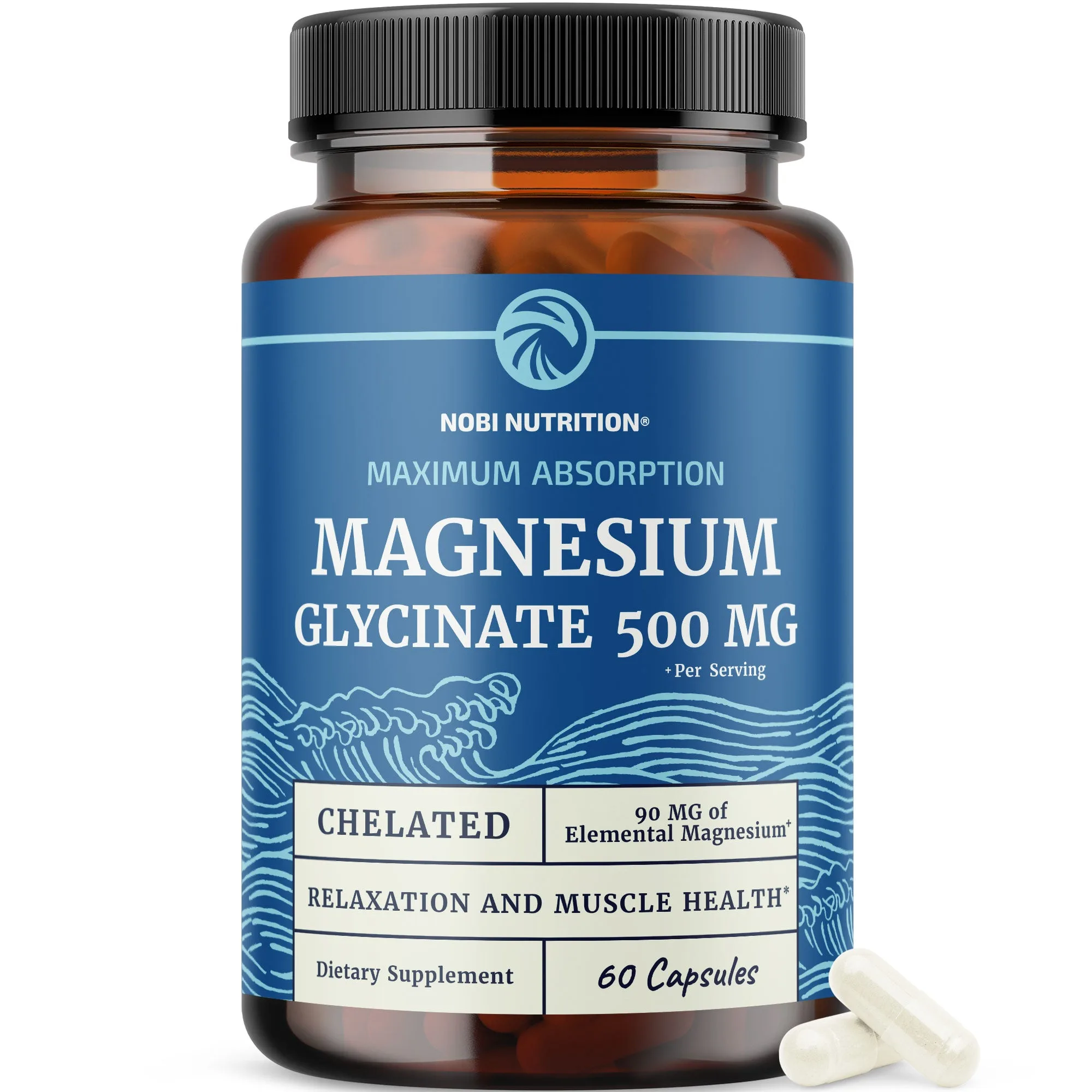
Moreover, capsules come in various formulations tailored to different needs. For example, Magnesium Bisglycinate 500mg Capsules provide a higher dose for those with severe deficiencies, while Magnesium Lotion Cream offers an alternative for topical application. This flexibility is a significant advantage for anyone serious about their magnesium supplementation.
- Capsules offer flexible dosing options.
- Gummies have a fixed dose per serving, limiting customization.
In the battle of magnesium gummies vs capsules, capsules emerge as the more effective choice for daily intake due to their superior absorption, lower sugar content, and precise dosing. While gummies offer taste and convenience, they often fall short in potency and purity. For optimal results, consider high-quality capsule supplements like Magnesium Bisglycinate 400mg Capsules or Magnesium Citrate Complex Capsules. Make the switch today and experience the difference in your energy, sleep, and overall well-being.