Quick Answer
If your priority is steady energy and mood support, magnesium malate is the stronger choice. If you need help with digestion or regularity, magnesium citrate is the better option. Both are highly absorbable, but they serve different primary functions.
Magnesium is involved in hundreds of bodily processes, but not all forms deliver the same effects. Two of the most popular options are magnesium malate and magnesium citrate. They both offer excellent absorption, yet they target different needs: malate is often linked to energy production, while citrate is known for supporting digestion.
This comparison breaks down the key differences so you can match the right form to your goals. We'll look at what each form does best, how they compare on absorption, and what to consider before choosing.
Magnesium Malate: The Energy-Focused Option
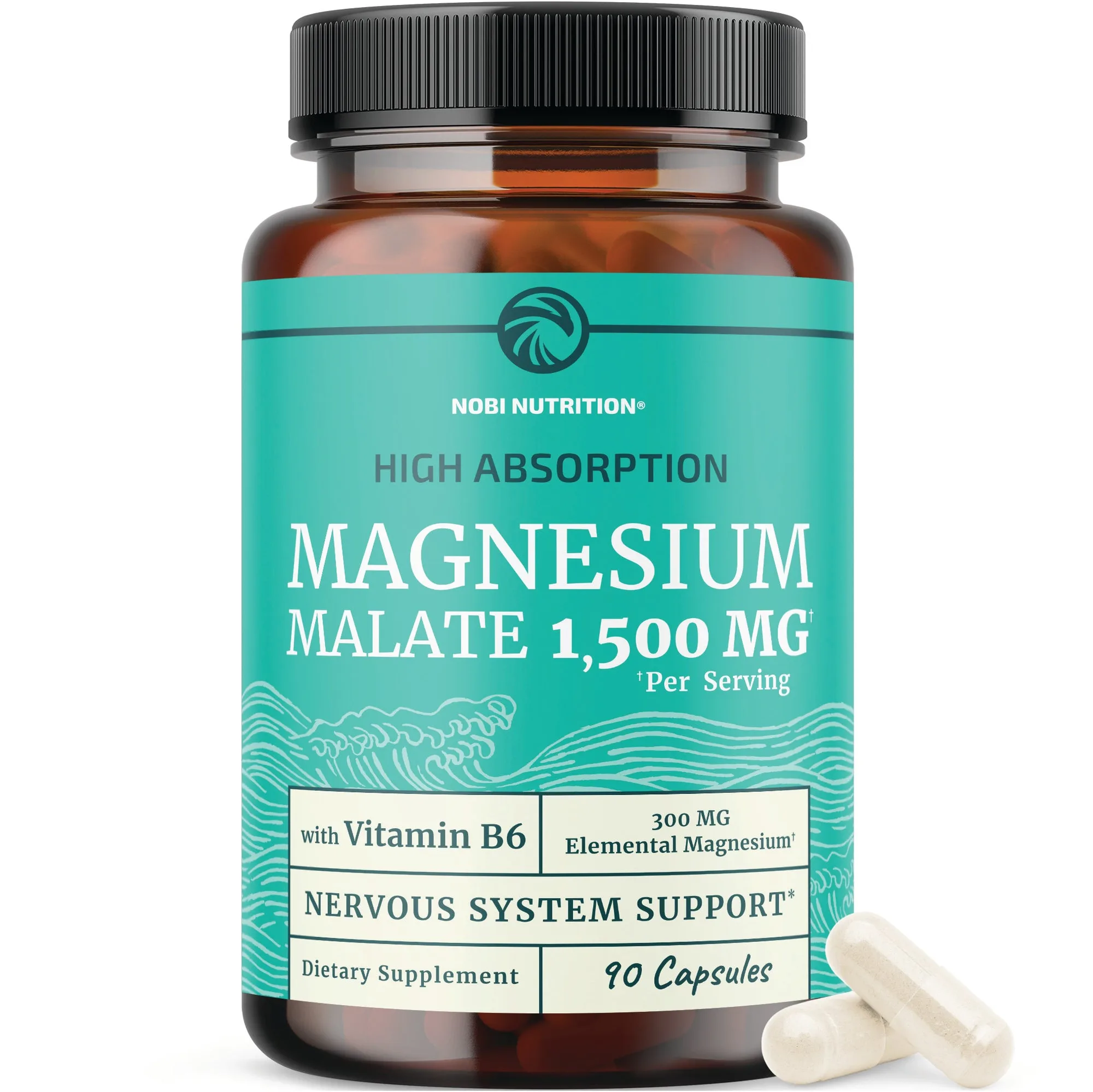
Magnesium malate combines magnesium with malic acid, a compound involved in the Krebs cycle, which is your body's energy production pathway. This makes it a popular choice for those seeking steady energy and mood support without the jitters of stimulants. Each serving of Nobi Nutrition's Magnesium Malate Capsules delivers 300mg of elemental magnesium from 1500mg of pure magnesium malate powder, providing a bioavailable form that your body can put to work.
Magnesium Malate Capsules
Because malate is naturally present in fruits like apples, it's generally well-tolerated. If you experience fatigue or low energy, magnesium malate may help support your body's natural energy production. It's also a good option for those who want the benefits of magnesium without the laxative effect that some other forms can have.
- Look for a supplement that specifies the elemental magnesium amount, like 300mg per serving, to ensure you're getting a meaningful dose.
Magnesium Citrate: The Digestive Aid
Magnesium citrate is created by combining magnesium with citric acid, which enhances its solubility and bioavailability. This form is well-known for its gentle laxative effect, making it a common choice for supporting regularity and digestion. The citrate component also helps the body absorb magnesium more efficiently, which is why it's often recommended for correcting deficiencies.
However, that same digestive action can be a double-edged sword. For some people, especially those with sensitive stomachs, magnesium citrate may cause loose stools. It's important to start with a lower dose and see how your body responds. If you're looking for a magnesium that supports both absorption and digestion, citrate is a solid option.
- If you're new to magnesium citrate, start with a lower dose and gradually increase to assess your tolerance.
Comparing Absorption and Tolerance
Both magnesium malate and citrate are considered highly absorbable forms of magnesium. Citrate is often praised for its water solubility, which makes it easy for the body to take up. Malate is also well-absorbed and tends to be gentler on the stomach, making it a good choice for those who experience digestive discomfort with other forms.
The key difference lies in their secondary effects. Citrate has a more pronounced impact on digestion, which can be beneficial or bothersome depending on your needs. Malate, on the other hand, is less likely to cause digestive upset and is more focused on cellular energy. Your choice should depend on which benefit you prioritize.
The Tradeoff: Energy vs. Digestion
- Energy & Mood: Magnesium malate is the better choice for supporting steady energy and a focused mood. It works with your body's natural energy pathways without stimulant-like effects. Choose malate if fatigue or low energy is your primary concern.
- Digestion & Regularity: Magnesium citrate is more effective for promoting regularity and supporting digestive function. Its water solubility aids absorption and can help with occasional constipation. Choose citrate if you want digestive support or need a form that's easy to absorb.
- Stomach Sensitivity: Malate is generally gentler on the stomach, while citrate may cause loose stools in sensitive individuals. Start with a lower dose of citrate to gauge tolerance. If you have a sensitive stomach, malate is the safer starting point.
Product Facts
- Magnesium Malate Capsules: Each serving contains 1500MG of pure Magnesium Malate powder, delivering 300MG of elemental magnesium in its most bioavailable form. Malate Magnesium is known for supporting energy production and overall mood balance. This is a high-potency malate option for those specifically targeting energy and mood support. The 300mg elemental dose is substantial, making it a practical choice for daily energy management.
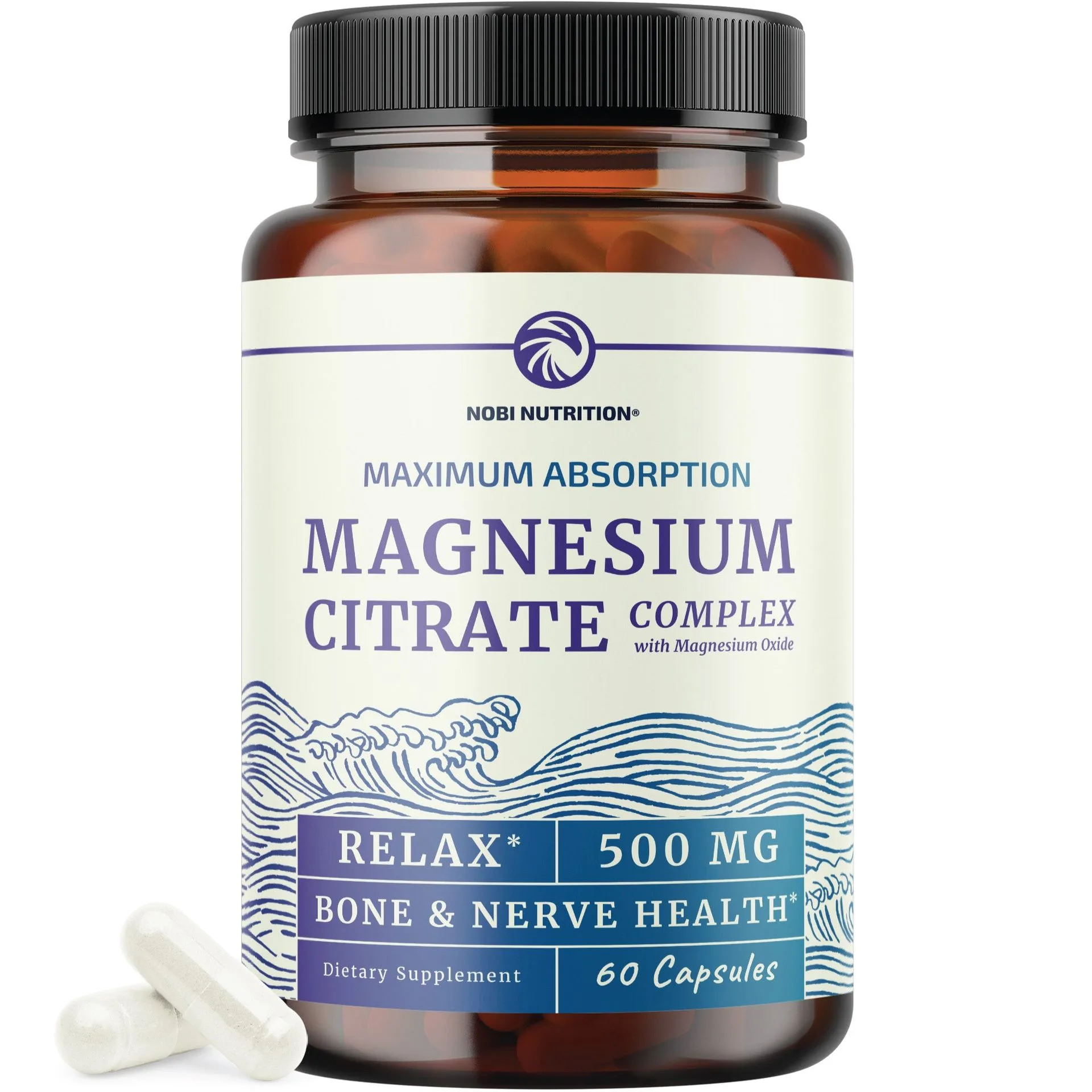
- Magnesium Citrate Complex Capsules: Magnesium Citrate is highly soluble in water, making it easy for the body to absorb. Its citrate content also enhances its bioavailability, making it one of the most absorbable forms of magnesium. If your main concern is digestion or you want maximum absorption, this citrate complex is a reliable option. Its solubility supports efficient uptake, which is key for correcting low magnesium levels.
Which Should You Choose?
Best For
- Those seeking steady energy and mood support without stimulants
- Individuals who want a gentle magnesium that won't cause digestive upset
Not Ideal For
- People who need help with occasional constipation or want a mild laxative effect
- Those who prefer a magnesium with a stronger digestive action
Both magnesium malate and citrate are high-quality, absorbable forms of magnesium. Your choice comes down to your primary goal: energy and mood support points to malate, while digestive support and regularity favor citrate. Consider your stomach sensitivity and start with a lower dose to find what works best for you.