If you've ever taken a magnesium tablet and felt a sudden wave of nausea or stomach cramping, you're not alone. Many people struggle with digestive discomfort from traditional magnesium supplements, which can make it tempting to skip your daily dose altogether. But magnesium is essential for muscle function, heart health, sleep, and over 300 enzymatic reactions in the body, so finding a form that works for you is key.
In this article, we compare magnesium softgels vs tablets to help you decide which is easier on the stomach. We'll look at how each form is made, how they affect digestion, and what to consider if you have a sensitive gut.
Why Magnesium Form Matters for Digestion
When you swallow a supplement, its physical form can influence how quickly it dissolves and how it interacts with your stomach lining. Tablets are often compressed powders that may contain binders, fillers, and coatings. Some tablets, especially cheaper ones, can be dense and slow to disintegrate, which means they might sit in the stomach longer and increase the risk of irritation.
Softgels, on the other hand, are liquid-filled gelatin or plant-based capsules. The liquid form allows the magnesium to be released more quickly after ingestion. This faster release can be gentler on the stomach because there's less solid material to break down. For those with sensitive digestive systems, softgels often feel lighter and easier to tolerate.
- Tablets may contain more additives that can cause bloating or discomfort.
- Softgels typically have fewer inactive ingredients.
- Liquid-filled softgels mimic a more easily digestible delivery method.
Absorption: Softgels vs Tablets
Absorption is a hot topic when comparing magnesium supplement forms. The form of magnesium itself—like citrate, glycinate, or malate—plays a bigger role in absorption than the delivery system. However, the delivery system can affect how much of the mineral is actually absorbed.
Because softgels contain magnesium in a liquid or oil-based suspension, the nutrients are already in a dissolved state. This can make it easier for your body to absorb them. Tablets must first disintegrate and dissolve in the digestive tract, which can be incomplete if the tablet is poorly formulated. That means a softgel might offer more consistent absorption than a standard compressed tablet.
- Look for magnesium forms like glycinate or malate for better absorption.
- Softgels may be more bioavailable due to pre-dissolved nutrients.
- Always choose high-quality brands that test for purity and potency.
Stomach Comfort: What to Look For
The type of magnesium compound is often the main culprit behind stomach upset. Magnesium oxide, for example, is poorly absorbed and can cause a laxative effect. Magnesium citrate is better absorbed but can also draw water into the intestines, leading to loose stools in high doses. On the other hand, magnesium glycinate and magnesium malate are known for being gentle on the stomach.
If you're prone to digestive issues, you might want to try a softgel that contains a gentle form of magnesium. For instance, Magnesium Malate Capsules are often well-tolerated and provide a steady release of energy. Similarly, Magnesium Glycinate Beadlets offer a gentle option. These forms are less likely to cause the cramping or diarrhea that can come with harsher magnesium salts.

Magnesium Glycinate Beadlets
- Avoid magnesium oxide if you have a sensitive stomach.
- Consider magnesium glycinate or malate for gentler digestion.
- Start with a lower dose and gradually increase to assess tolerance.
Comparing Popular Magnesium Options
To help you choose, here's a quick comparison of common magnesium supplements and their typical effects on the stomach.
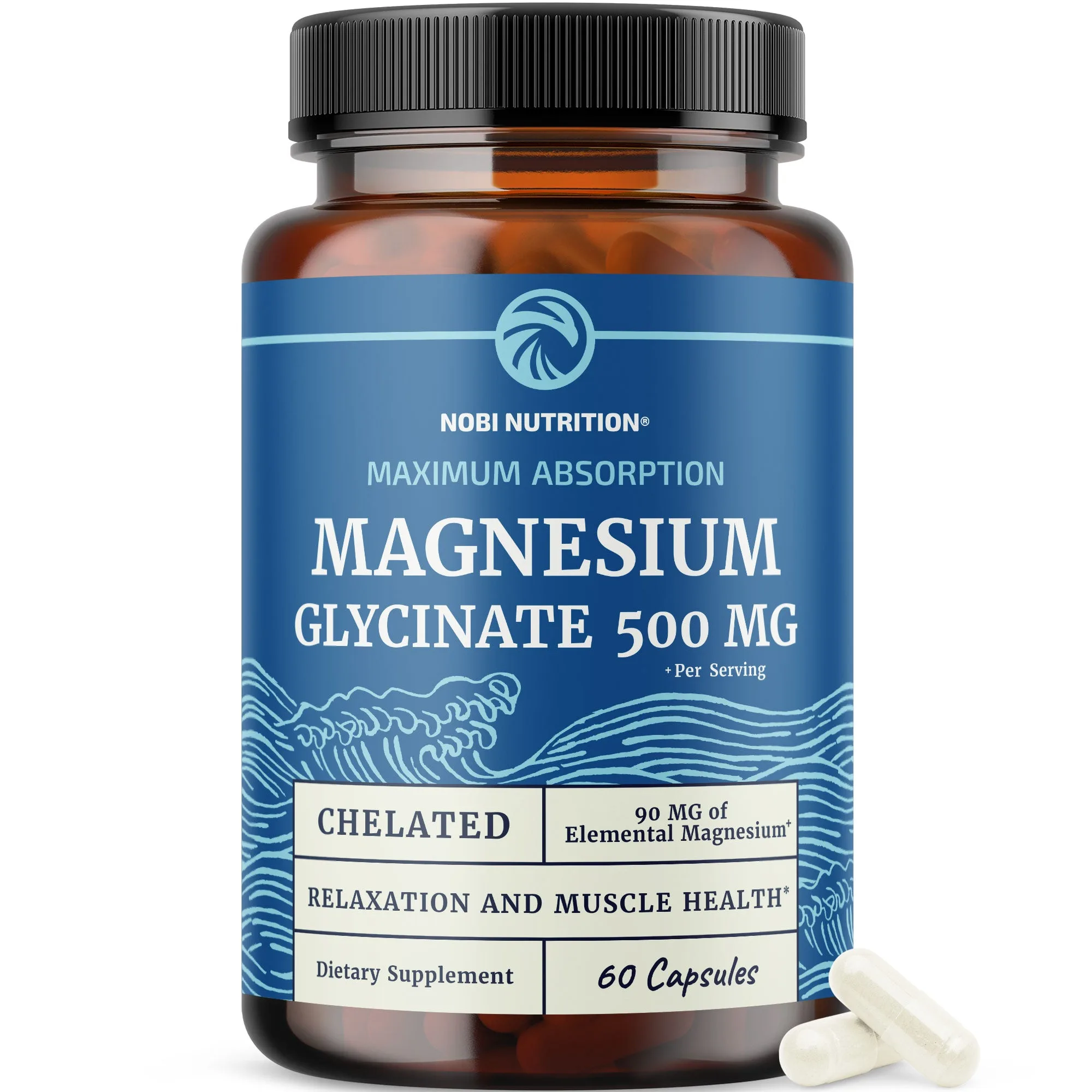
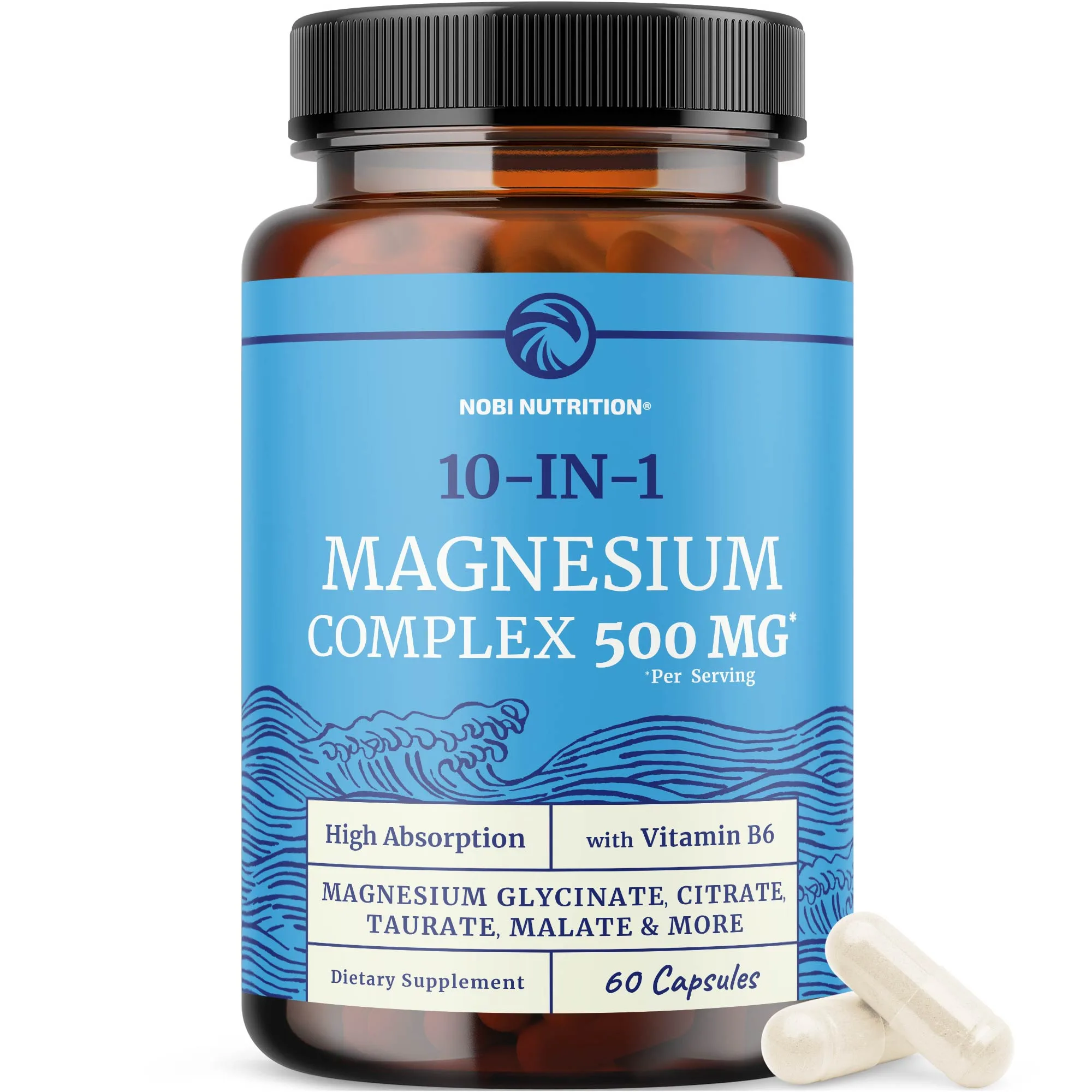
Magnesium Bisglycinate 500mg Capsules are a favorite for those seeking high absorption with minimal GI upset. This chelated form is bound to the amino acid glycine, which is calming and easy on the gut. Similarly, Magnesium Complex Capsules combine several forms to balance absorption and tolerance, making them a versatile choice.
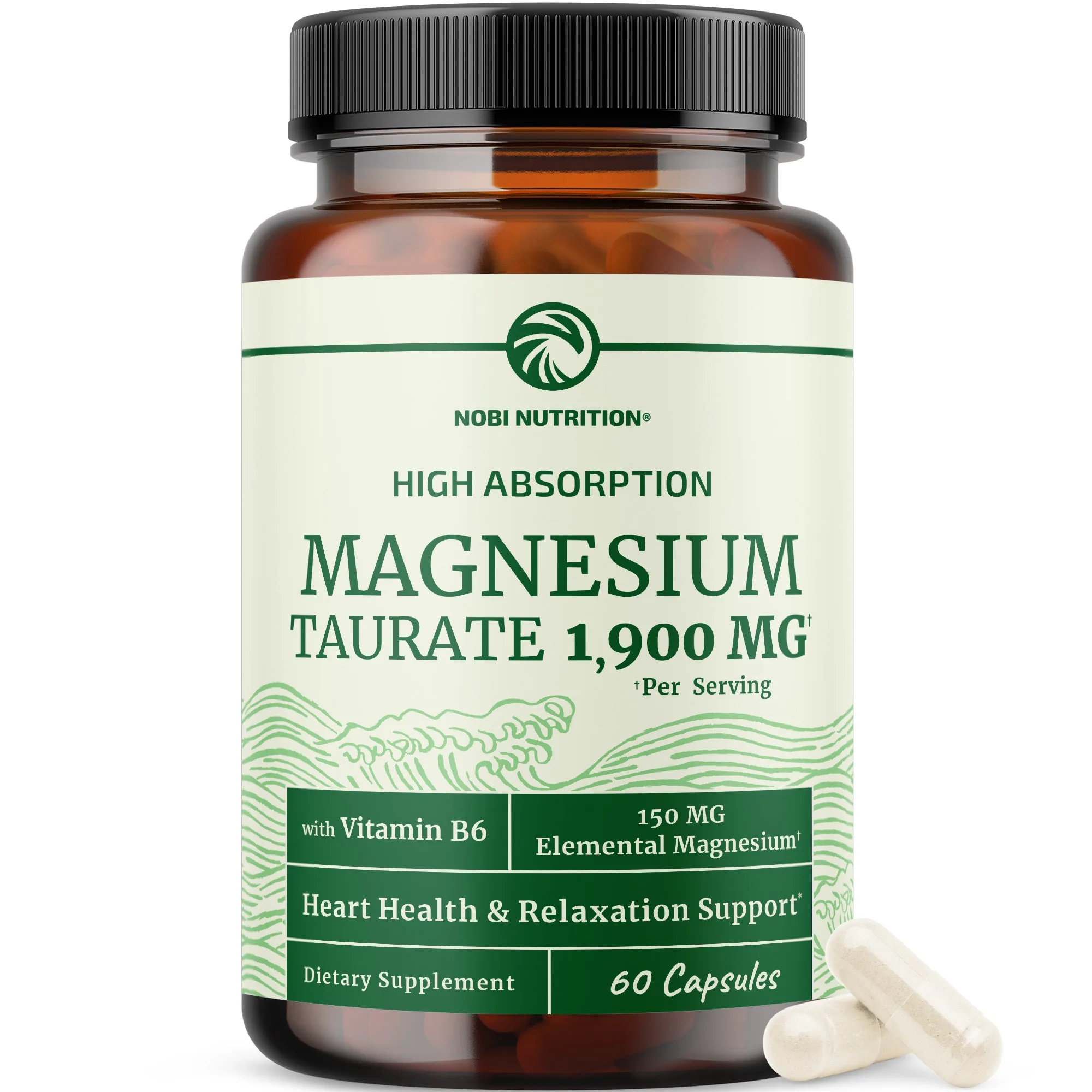
On the softgel side, Magnesium Taurate Capsules combine magnesium with taurine, an amino acid that supports cardiovascular health. This form is generally well-tolerated and may be a good option if you're looking for a softgel that's easy on the stomach.
- Chelated forms like bisglycinate and taurate are less likely to cause upset.
- Complex formulas can offer the benefits of multiple magnesium types.
- Softgels are often a good choice for those who dislike swallowing large tablets.
Which Should You Choose?
The best choice depends on your personal needs and preferences. If you have a sensitive stomach, you might prefer a softgel because of its liquid delivery and typically fewer additives. If you're looking for a specific magnesium compound, you may find that both softgels and tablets are available, so you can prioritize the form that works best for you.
For sleep support, you might consider Myo-Inositol Sleep Capsules, which combine magnesium with inositol for a calming effect. If you're focused on bone health, Calcium, Magnesium, Vitamin D, and Zinc Tablets offer a comprehensive mineral blend, though tablets may be harder on the stomach for some.
- Assess your digestive sensitivity before choosing a form.
- Check the magnesium compound, not just the delivery system.
- Read labels for any added fillers or allergens.
Ultimately, both softgels and tablets can provide effective magnesium supplementation, but softgels may be easier on the stomach due to their liquid form and faster dissolution. If you experience digestive discomfort with tablets, switching to a softgel or a gentle magnesium compound like glycinate or malate could make a big difference. Always consult with a healthcare provider before starting any new supplement, especially if you have underlying health conditions.