Quick answer
If you need to support regularity or digestion, magnesium citrate is a common go-to. For better sleep or muscle relaxation without a laxative effect, magnesium glycinate is often preferred. For a general daily multivitamin approach, a form like tri-magnesium provides a blend of magnesium types to cover multiple needs.

tri-magnesium
Magnesium is a mineral that supports hundreds of reactions in the body, from energy metabolism to muscle and nerve function. But when you look at supplement labels, you'll see different names like citrate, glycinate, oxide, and tri-magnesium. These are different magnesium forms, and they are absorbed and used differently.
Choosing the right magnesium supplement form isn't about finding the 'best' one overall—it's about matching the form to your specific goal. This guide breaks down the most common magnesium types, their trade-offs, and simple rules to help you decide.
Why the magnesium form matters
Magnesium is bound to another molecule to create a stable supplement. That molecule affects how well the magnesium is absorbed and what side effects you might experience. For example, magnesium citrate is well absorbed but can draw water into the intestines, which is why it's often used for occasional constipation. Magnesium glycinate, on the other hand, is bound to the amino acid glycine, which may promote calmness and is less likely to cause digestive upset.
When you see 'tri-magnesium' on a label, it usually means a blend of three different magnesium forms. This can be a smart choice if you want broad support without focusing on one specific benefit. The trade-off is that you get a lower dose of each individual form, so it may not be as targeted as choosing a single form for a specific need.
- Check the serving size: Some forms contain more elemental magnesium per capsule than others.
Magnesium citrate vs glycinate: the main difference
Magnesium citrate is one of the most popular forms because it's well absorbed and has a mild laxative effect. It's often recommended for people who want to support regularity or who have low magnesium levels and need a reliable form. However, that same laxative effect can be a downside if you're looking for a supplement to take daily without digestive changes.
Magnesium glycinate is chelated, meaning the magnesium is bound to glycine, an amino acid. This form is gentle on the stomach and is often chosen for sleep support, stress relief, and muscle relaxation. The glycine itself has calming properties, which can be a bonus if you take it in the evening. The main trade-off is that glycinate can be more expensive than citrate, and it typically contains less elemental magnesium per dose, so you may need to take more capsules.
Other common magnesium forms and their uses
Magnesium oxide is a common and inexpensive form, but it's not as well absorbed as citrate or glycinate. It's often used for digestive issues like heartburn because it acts as an antacid. If your goal is to raise your magnesium levels efficiently, oxide is not the best choice.
Magnesium malate is bound to malic acid, which is involved in energy production. It's sometimes recommended for people with fatigue or muscle pain. Magnesium taurate combines magnesium with taurine, an amino acid that supports cardiovascular health. Each form has its own niche, so think about your primary health goal first.
How to choose: practical decision rules
Start by asking what you want to achieve. For digestive regularity, choose citrate. For sleep or calm, choose glycinate. For general daily support, a blend like tri-magnesium can cover multiple bases. If you have a sensitive stomach, avoid oxide and start with a lower dose of glycinate or citrate.
Also consider your diet and other supplements. If you already take a multivitamin that includes magnesium, check the form and dose to avoid doubling up. Since magnesium can interact with certain medications, it's wise to talk to your healthcare provider, especially if you have kidney issues or take antibiotics or blood pressure medication.
Your decision rules for choosing a magnesium form
- Goal: regularity or digestion: Choose magnesium citrate. It's well absorbed and has a mild laxative effect that can support bowel regularity. Start with a lower dose and increase gradually to avoid loose stools.
- Goal: sleep or calm: Choose magnesium glycinate. The glycine component supports relaxation and is gentle on the stomach. Take it about 30 minutes before bed for best results.
- Goal: general daily support: Consider a multi-form supplement like tri-magnesium, which blends different types for broad coverage. Check the label to see which forms are included and the elemental magnesium dose per serving.
- Goal: avoid digestive upset: Skip magnesium oxide and choose glycinate or a chelated form. Take with food to minimize any stomach discomfort. If you still experience discomfort, split the dose throughout the day.
Magnesium in context: what to look for in supplements
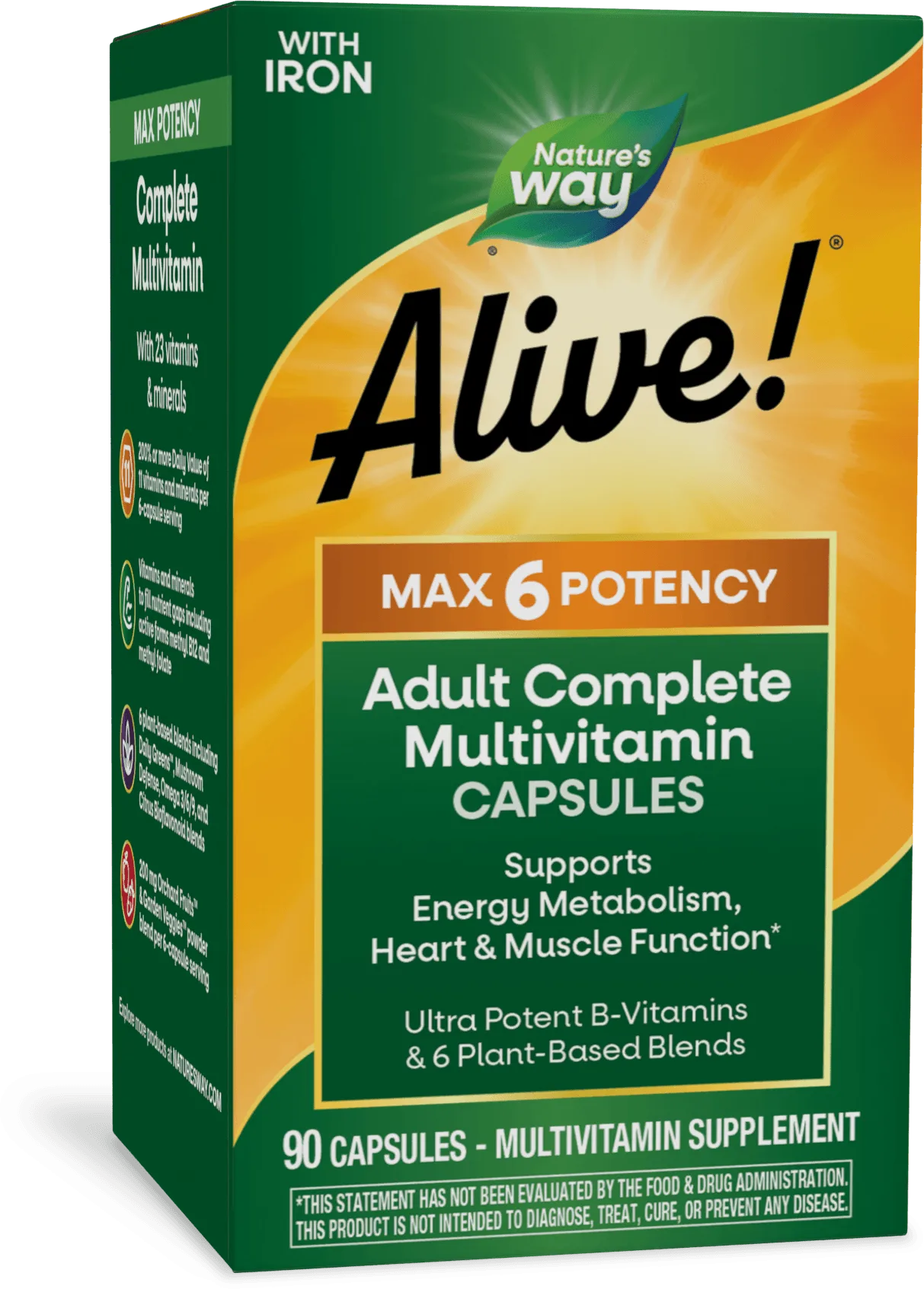
- iron-384403">Alive!® Max6 Potency Adult Complete Multivitamin-No Added Iron: Support your daily energy metabolism, heart and muscle function, and so much more with this max potency formula.* We packed it with ultra potent B-vitamins, including the active forms methyl B-12 and folate, plus vitamins A, C, D, and E. If you're looking for a general daily supplement that includes magnesium as part of a broader nutrient blend, a high-potency multivitamin can be a convenient way to cover multiple bases without juggling several bottles.
- Feverfew Herb: Feverfew is a flowering plant that originated in Europe but can now also be found in North and South America. It’s also known as 'wild chamomile' and 'featherfew,' due to its feathery leaves. Feverfew has been used for thousands of years. Today, Nature’s Way Feverfew is traditionally used to support blood vessel relaxation.* While not a magnesium source, this herb is an example of a targeted herbal supplement that supports blood vessel relaxation—a different approach to similar goals like circulation and muscle relaxation. Knowing the difference helps you choose between mineral and herbal options.
Which magnesium form fits you?
Best for
- People who need occasional constipation relief: magnesium citrate
- Those looking for sleep and stress support: magnesium glycinate
- Anyone wanting a general daily magnesium supplement without a specific goal: tri-magnesium blend
Not for
- People with kidney disease or those on certain medications: any magnesium supplement without medical supervision
- Those with a sensitive stomach who want to avoid laxative effects: magnesium oxide or high-dose citrate
The right magnesium form depends on your primary goal. For regularity, choose citrate. For calm and sleep, choose glycinate. For broad daily support, a tri-magnesium blend works well. Always start with a lower dose, check with your healthcare provider if you have medical conditions, and look for quality brands that clearly state the form and amount of magnesium on the label.