Quick Answer
A combined magnesium, zinc, and vitamin D3 supplement supports stress relief, immune function, and restorative sleep. Take it with your evening meal for best absorption and to minimize stomach upset.
Why Combine Magnesium, Zinc, and Vitamin D3?
Each nutrient plays a distinct role, but they work synergistically. Magnesium helps regulate stress hormones and promotes relaxation, zinc supports immune cell function, and vitamin D3 aids calcium absorption and immune health. Taking them together simplifies your routine and ensures you don't miss a key player.
Who Might Benefit Most?
This combination is especially helpful if you experience chronic stress, poor sleep, or frequent minor illnesses. Athletes and active individuals may also find it supports recovery. However, if you have kidney issues or take certain medications (like antibiotics or diuretics), consult a healthcare provider before starting.
Frequently Asked Questions
What does magnesium, zinc, and vitamin D3 do together?
They work as a team: magnesium calms the nervous system and supports sleep, zinc strengthens immune defenses, and vitamin D3 enhances calcium absorption and overall immunity. The combination addresses stress, sleep quality, and immune resilience in one dose.
How should I take magnesium, zinc, and vitamin D3 for best results?
Take the supplement with a meal that contains some fat (like dinner) to improve vitamin D3 absorption. Avoid taking it on an empty stomach, as magnesium and zinc can cause nausea. Consistency matters more than timing, so pick a time you can stick to daily.
What is the recommended dosage for a combined supplement?
Follow the label instructions on your specific product. A typical combined supplement might provide around 100-200 mg of magnesium, 10-15 mg of zinc, and 1000-2000 IU of vitamin D3 per serving. Do not exceed the labeled dose unless advised by a doctor. Check the label for exact amounts per capsule, and adjust your diet to avoid exceeding the tolerable upper intake levels for zinc (40 mg/day) and vitamin D3 (4000 IU/day).
Can I take this supplement long-term?
Yes, for most people it is safe for extended use. However, because zinc can interfere with copper absorption over many months, consider taking a break every few months or including copper-rich foods like nuts and seeds in your diet. Consult your doctor for personalized advice.
Product Spotlight
-
Magnesium, Zinc & Vitamin D3: Magnesium promotes brain health, enhanced serotonin, and keeps cortisol low, aiding relaxation and recovery. This means you can expect better stress management and more restorative sleep, especially when taken consistently in the evening.
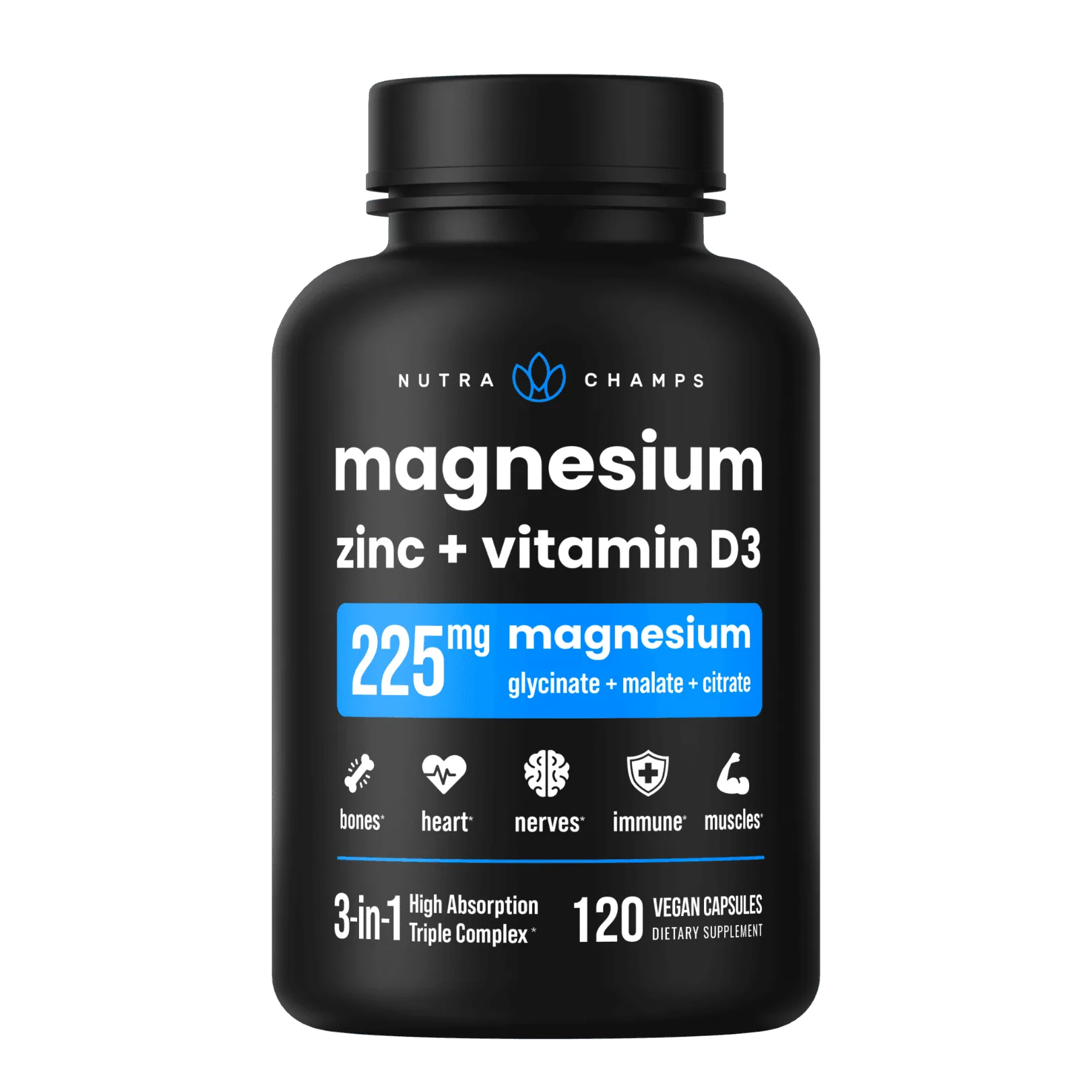
Magnesium, Zinc & Vitamin D3