Quick Answer
Magnetic needle minders win for hand embroidery and cross-stitch because they attach directly to fabric and hold needles securely without a separate stand. Traditional pin cushions are better for machine sewing or when you need to hold many pins at once. If you mainly work with hand needles, a needle minder is the more practical choice.
If you sew or embroider, you know the frustration of losing a needle in the couch or stepping on a pin. The tool you use to store them matters more than you might think. Magnetic needle minders and traditional pin cushions each have loyal fans, but they solve different problems.
This comparison breaks down how each option works, what they're best at, and where they fall short. You'll also see how specific products like Sarah Hearts' Stork Scissors Hair Clip and woven sewing labels fit into the picture. By the end, you'll know which needle storage tool belongs in your sewing kit.
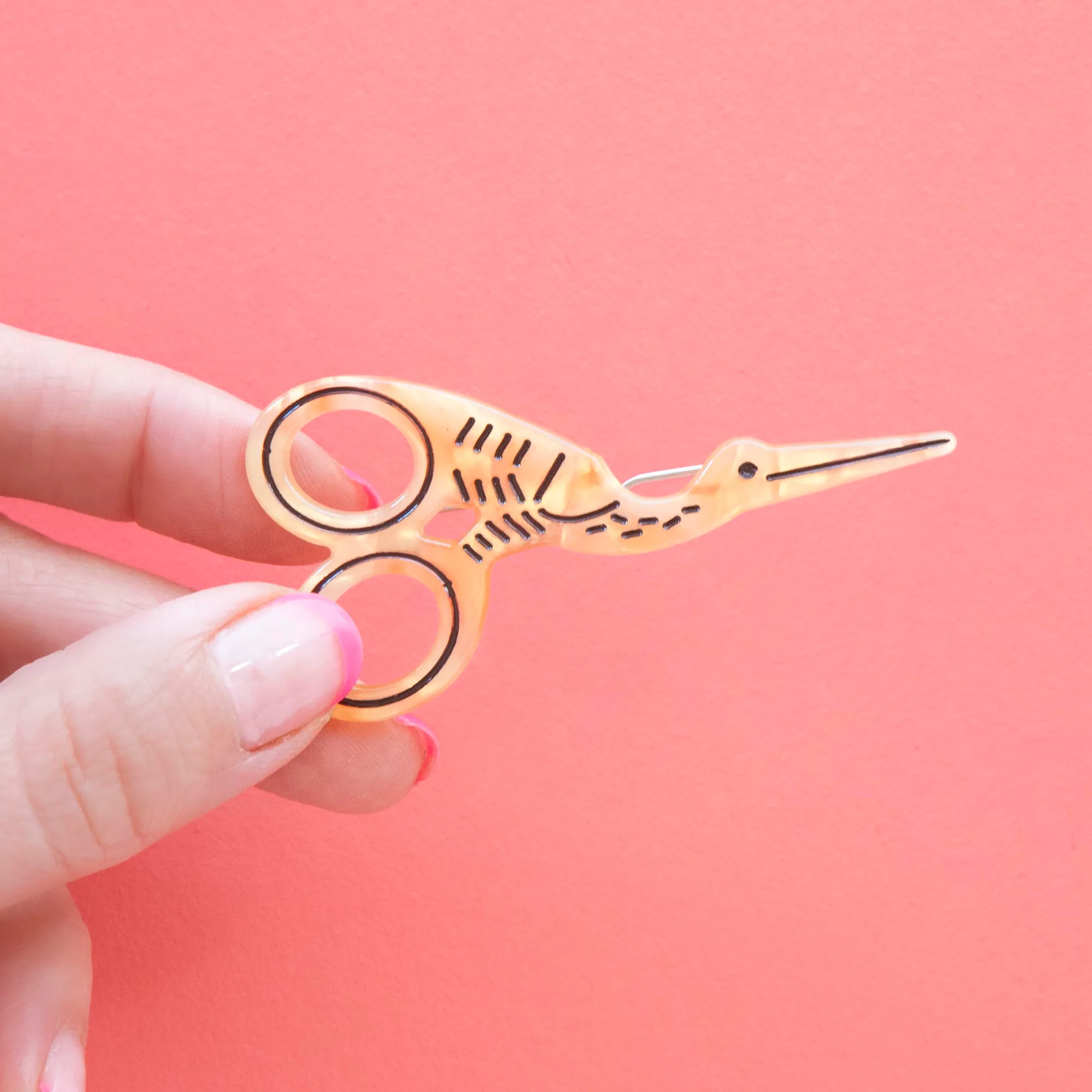
Stork Scissors Hair Clip
How Magnetic Needle Minders Work
A magnetic needle minder is a small accessory, often decorative, that uses two magnets to sandwich your fabric. The top magnet holds your needle, while the bottom magnet keeps the minder in place. This means your needle stays attached to your project, not rolling off a table or getting lost in a project bag.
Needle minders are especially popular for hand embroidery and cross-stitch, where you frequently switch between colors or take breaks. Because the needle sticks to the minder, you can set your hoop down without worrying about where the needle went. They also double as a pretty decoration for your workspace.
- Look for a minder with a strong magnet that won't slide off thick fabric.
- Keep minders away from pacemakers and other medical devices.
How Traditional Pin Cushions Work
A traditional pin cushion is a soft, stuffed cushion that holds pins and needles by friction. You push the sharp end into the cushion, and it stays put until you pull it out. They come in many shapes, from classic tomato cushions to wristbands and magnetic dishes.
Pin cushions are great for holding many pins at once, which is handy when you're pinning pattern pieces or basting a quilt. They also work for hand needles, but if you drop the cushion or knock it over, needles can spill out. That's a common complaint among sewists who work in small spaces.
- Choose a cushion with a firm fill so pins don't fall out when tipped.
- Wrist pin cushions keep pins within reach while machine sewing.
Key Differences: Security, Capacity, and Portability
The biggest difference is how they hold needles. A magnetic minder grips the needle firmly, so it won't fall even if you turn your fabric upside down. A pin cushion relies on friction; if the cushion is loose or overstuffed, needles can slip out. For hand sewing, the magnetic option is more secure.
Capacity is where pin cushions shine. You can stick dozens of pins into a cushion, making it ideal for machine sewing or quilting. Needle minders typically hold one or two needles at a time, so they're not meant for bulk storage. Portability also differs: minders are small and attach to your project, while cushions stay on a table or wrist.
- If you need to hold many pins, a pin cushion is the clear winner.
- If you want your needle to stay with your project, choose a minder.
Practical Considerations for Your Sewing Space
Think about your workspace. If you sew at a dedicated table with a mat, a pin cushion fits naturally. But if you stitch on the couch or in a chair, a needle minder keeps your needle from disappearing into the cushions. Also consider your project type: embroidery and cross-stitch involve frequent needle changes, so a minder saves time.
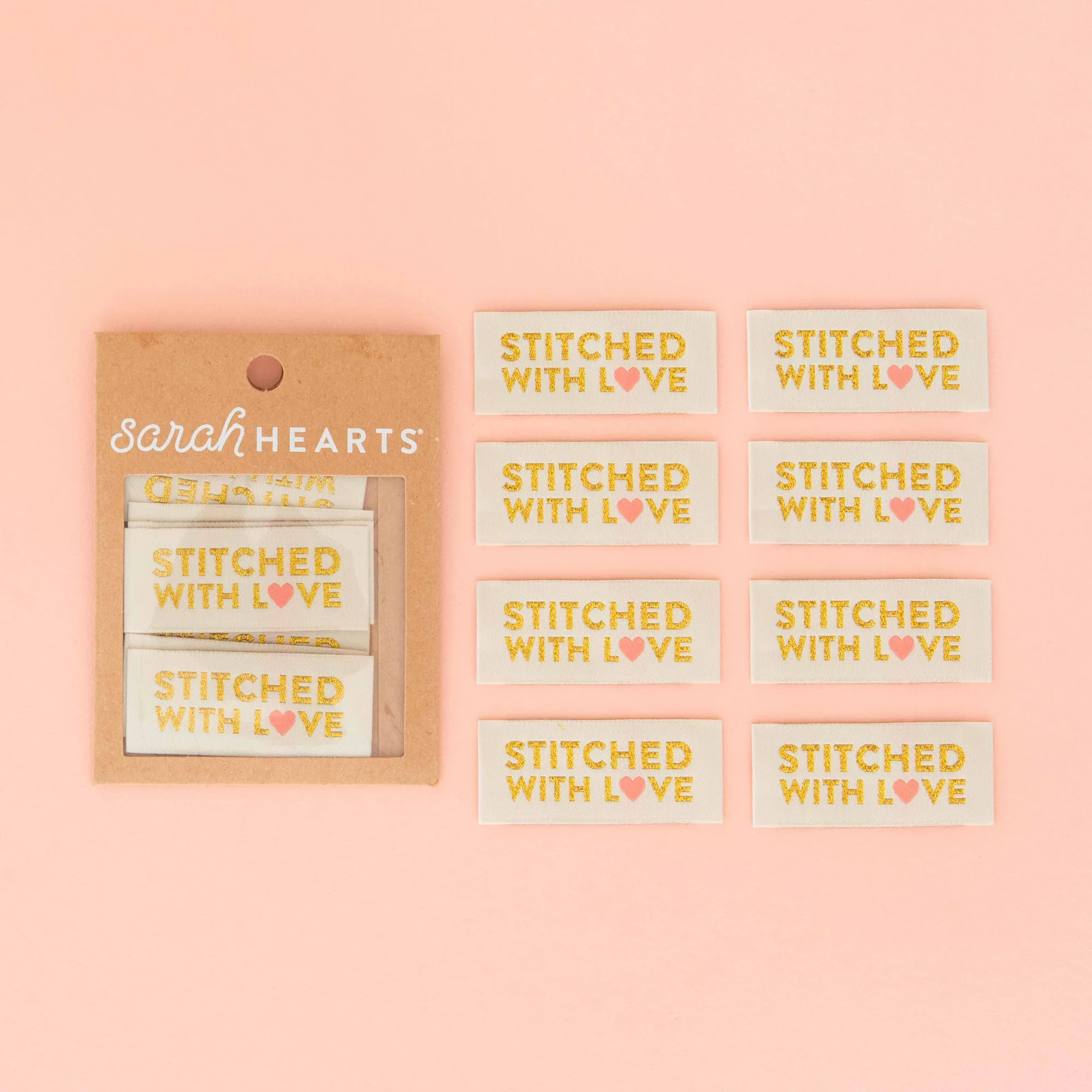
Another factor is decoration. Needle minders come in fun shapes and colors, like the Stork Scissors Hair Clip from Sarah Hearts. While that clip is designed for hair, it shows how craft-themed accessories can add personality. Similarly, woven labels like Stitched with Love can personalize your finished projects, tying into the joy of handmade.
- Test your minder on scrap fabric to ensure the magnet holds through layers.
- Keep a small pin cushion for pins and a minder for needles if you do both.
Trade-Offs at a Glance
- Security: Magnetic minders hold needles firmly even if you turn fabric upside down; pin cushions rely on friction and can spill if tipped. Choose a minder if you often move your project or work in tight spaces.
- Capacity: Pin cushions hold many pins and needles at once, ideal for machine sewing or quilting; minders typically hold only one or two needles. If you need to store dozens of pins, a pin cushion is more practical.
- Portability: Minders attach directly to your fabric and travel with your project; pin cushions stay on a table or wrist and are not attached to the work. For hand sewing on the go, a minder keeps your needle secure and accessible.
Product Facts That Matter
- Stitched with Love Woven Sewing Labels: These high quality woven labels feature beautiful metallic gold thread and a pinky coral heart on a cream colored background. They are super soft to the touch and never scratchy. The labels are fully washable and can handle the heat of the dryer. If you personalize your projects with labels, these durable and soft labels add a professional finish without causing irritation.
- Stork Scissors Hair Clip: Sarah's Signature Pink Edition: Made from eco-friendly cellulose acetate, this clip features a charming cut-out stork scissors design in a Sarah's favorite shade of pearly pink. The fine details are engraved and hand-painted with a touch of gold, adding a fun contrast. This clip shows how craft-themed accessories can be both functional and stylish, similar to how a decorative needle minder can brighten your sewing time.
Which Should You Choose?
Best for
- Hand embroiderers and cross-stitchers who frequently set down their work
- Sewists who work in small spaces or on soft furniture where dropped needles get lost
- Crafters who want a decorative, portable needle holder
Not for
- Quilters or sewists who need to hold many pins at once
- Those who prefer a traditional look and don't mind needles being separate from the project
Both magnetic needle minders and traditional pin cushions have their place. If you do a lot of hand embroidery or cross-stitch, a minder will keep your needle safe and your project tidy. For machine sewing or pin-heavy tasks, a pin cushion remains essential. Many sewists keep both on hand, using each for its strengths.