Quick answer
Neither mount is universally better. Magnetic systems win on speed and stacking convenience, while screw-on filters win on low cost, slim profiles, and secure attachment. Choose magnetic if you frequently swap filters and use multiple lenses; choose screw-on if you shoot static scenes and want the lowest entry price.
How each mount actually works
Screw-on filters thread directly onto your lens's front filter thread. You rotate them to attach or remove, and polarizers or variable NDs are adjusted by turning the filter ring. Magnetic filters attach via a magnetic adapter ring that stays on the lens; the filter itself snaps on and off. This means you buy one adapter per lens size, then share filters across lenses.
The practical difference is friction. Screw-on mounting takes several turns per filter change and can bind in cold or gritty conditions. Magnetic mounting takes a fraction of a second and avoids cross-threading entirely, but relies on magnet strength rather than mechanical threads.
Speed and workflow in the field
If you shoot landscapes at sunrise or video run-and-gun, magnetic wins. You can swap an ND for a polarizer without looking away from the scene. Screw-on filters demand two hands and a steady grip, which is slower when light is changing fast.
For studio or tripod work where you set one filter and shoot for an hour, screw-on is perfectly adequate and often lighter. The speed advantage of magnetic only matters if you actually change filters often.
Security and accidental drops
Screw-on filters are mechanically locked; they will not fall off unless you unscrew them. Magnetic filters can be knocked off by a strong lateral bump, though quality systems hold firmly in normal use. If you shoot in crowds, on windy cliffs, or with heavy gloves, screw-on gives more peace of mind.
Magnetic systems also add a thin adapter ring to every lens, which can affect lens caps and hoods. Screw-on filters keep the original lens profile.
Cost and kit building
Screw-on filters are cheaper per filter because there is no adapter. But if you own three lenses with different thread sizes, you either buy duplicate filters or use step-up rings, which can block hoods. Magnetic systems require one adapter per lens size, then filters are shared. Over a full kit, magnetic often costs less per usable filter.
Entry-level screw-on filters are widely available, but cheap glass can degrade image quality. Magnetic systems from reputable brands tend to use better coatings and glass, which raises the floor but also the price.
Stacking and filter combinations
Stacking screw-on filters means threading one onto another, which increases vignetting risk and can be fiddly. Magnetic filters stack by snapping one onto the next, often with less thickness and faster changes. However, stacked magnetic filters can still vignette on wide-angle lenses, and the total stack may be thicker than a single screw-on ND.
If you regularly combine a polarizer and ND, magnetic is more convenient. If you only ever use one filter at a time, screw-on is simpler and lighter.
Trade-offs at a glance
- Speed vs security: Magnetic filters swap in under a second but can be knocked off; screw-on filters take longer to attach but stay put until you unscrew them. Choose magnetic for dynamic scenes, screw-on for rugged or crowded environments.
- Cost per filter vs cost per kit: Screw-on filters are cheaper individually, but magnetic adapters let you share one set of filters across multiple lenses, lowering long-term cost. Count your lenses and filter sizes before deciding.
- Stacking convenience vs vignetting risk: Magnetic stacking is faster and often thinner, but any stacked system can vignette on ultra-wide lenses. Screw-on stacking is slower and can bind. Test your widest lens with the full stack you plan to use.
Product facts
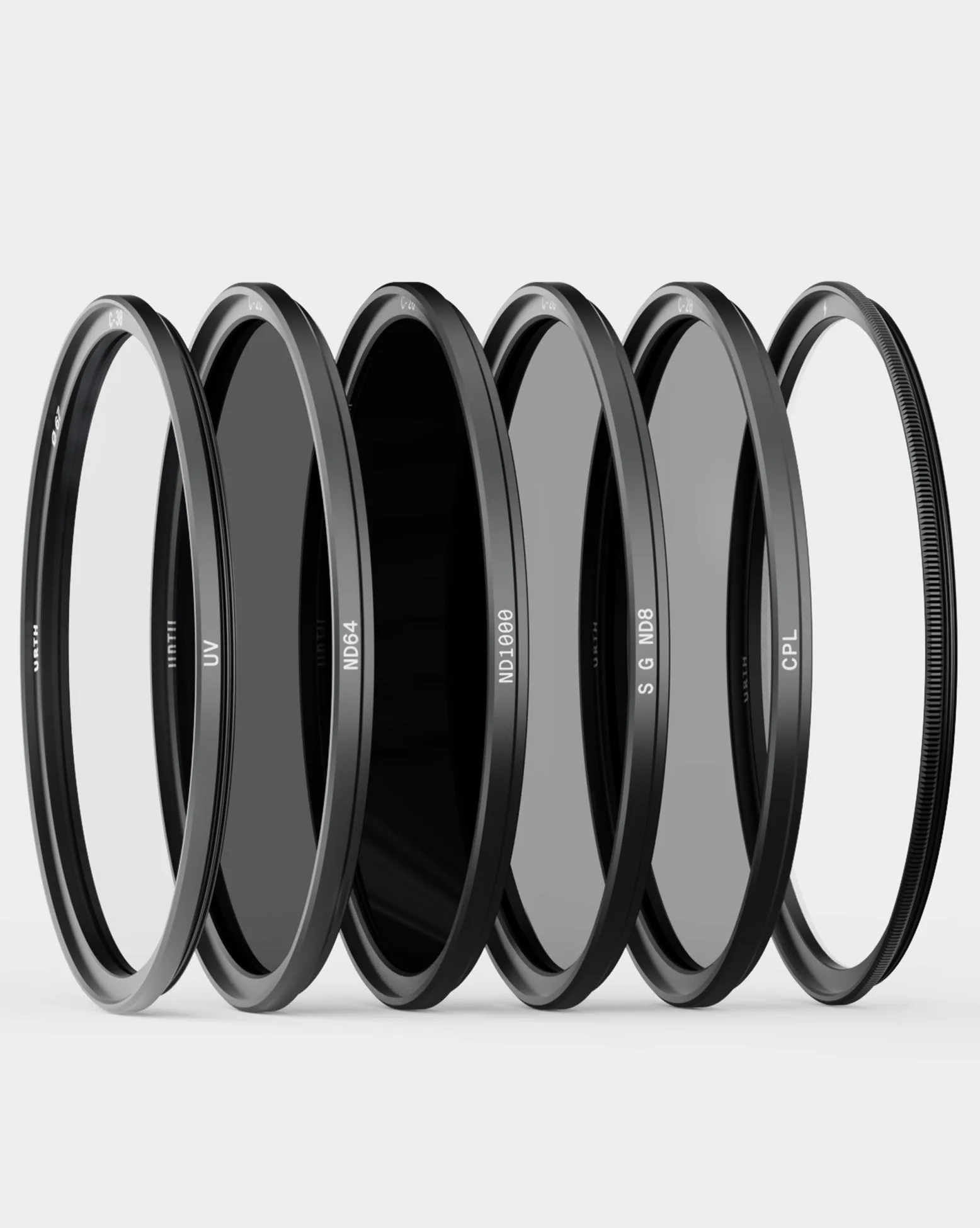
- Magnetic Landscape Filter Kit Plus: Includes UV, CPL, ND64, Soft Grad ND8, and ND1000 filters with a magnetic mount system for fast exposure control and perfect horizons. A complete magnetic landscape kit lets you swap between five filters in seconds, which is ideal for changing light.
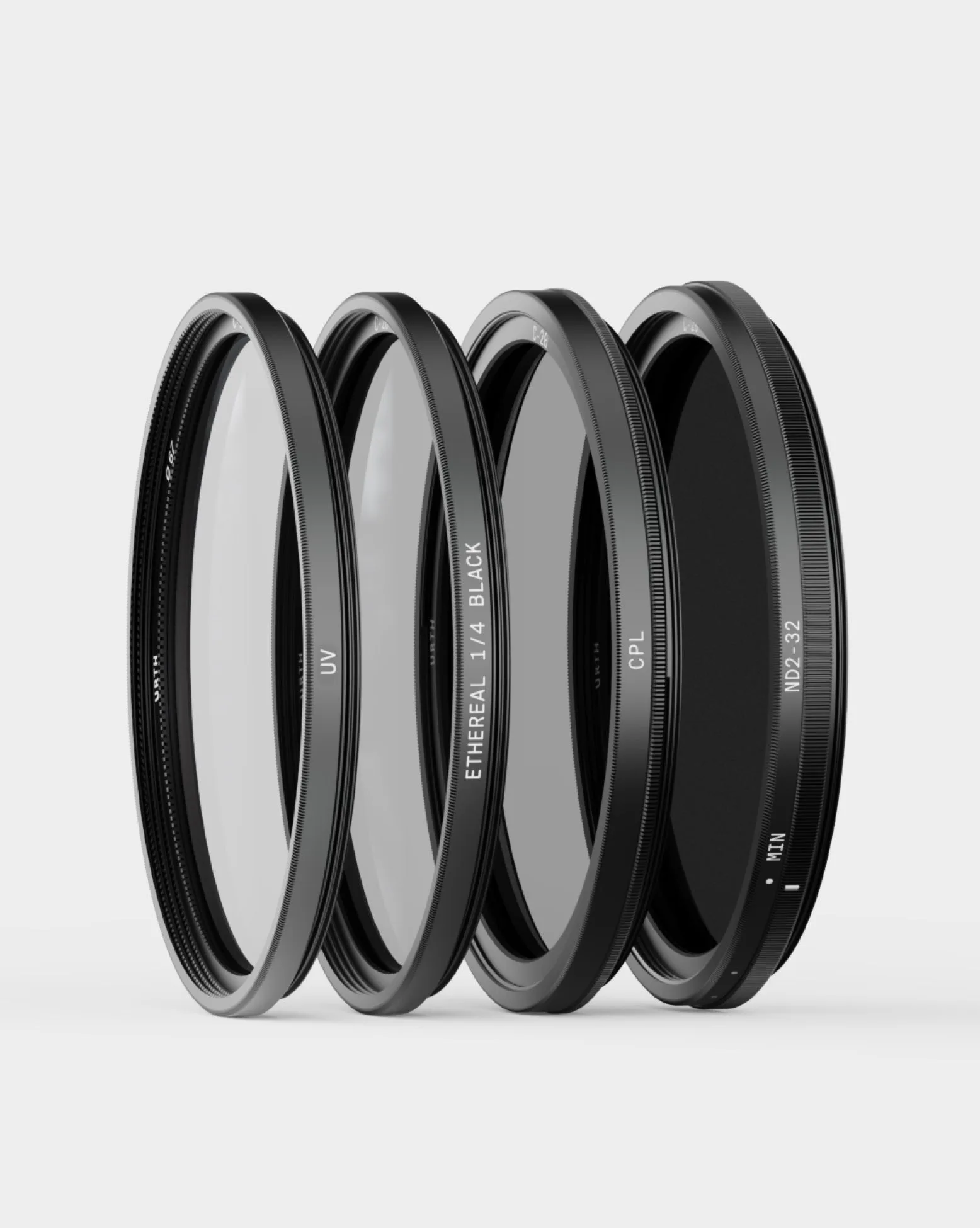
- Cinematic Filter Kit Plus: Combines UV, CPL, Variable ND2–32, and Ethereal 1/4 Black Mist filters for full creative control in filmmaking and photography. A magnetic cinematic kit covers protection, polarization, exposure, and diffusion, so you can build a consistent magnetic workflow across video and stills.
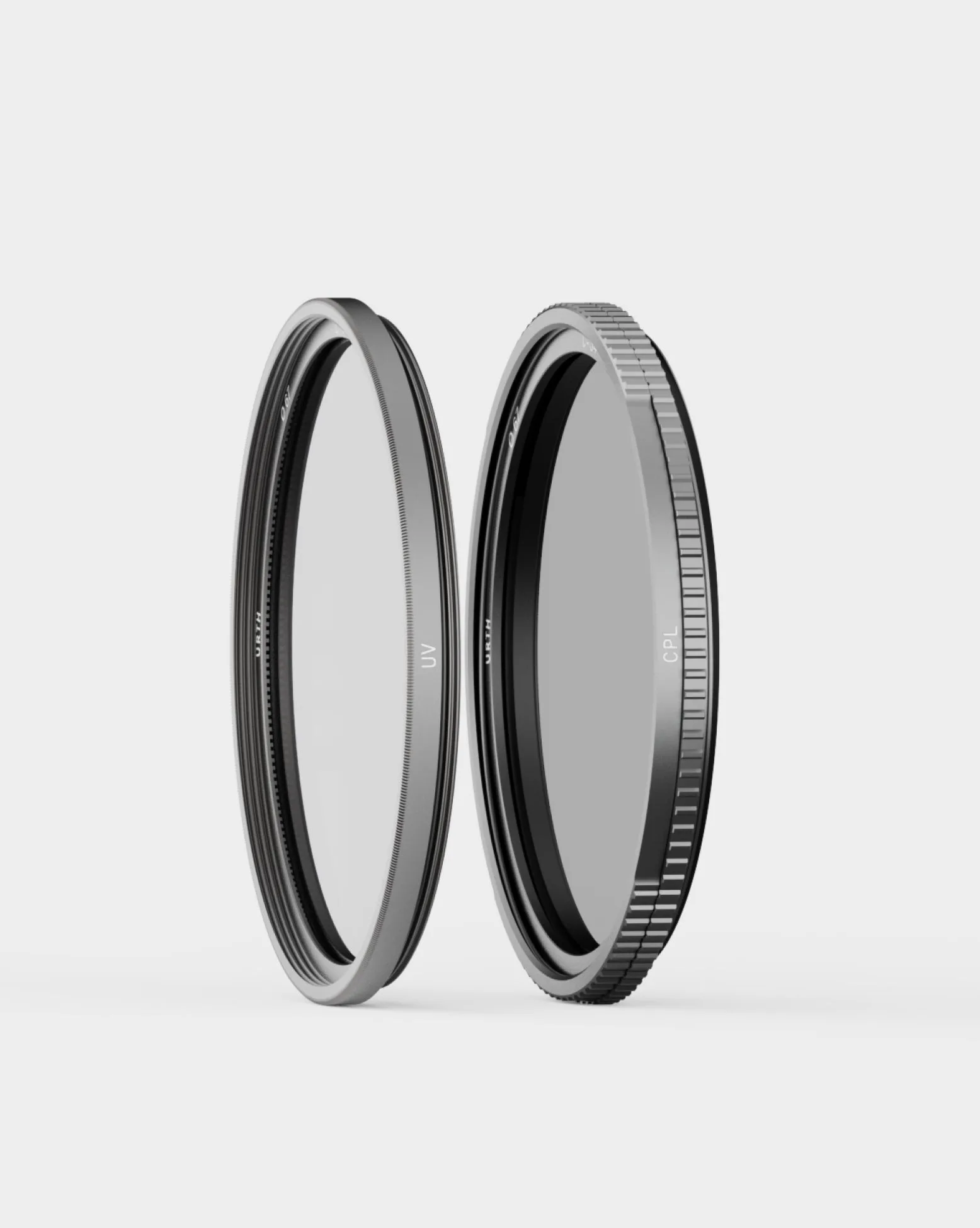
- Base Filter Kit Pro: Features UV and CPL Pro filters with 600% stronger, shatter-proof protection and precision polarisation, using AERO-C10 ionically tempered glass and German SCHOTT B270 glass. A screw-on kit with tempered glass and precision polarisation offers durable, secure attachment for photographers who prioritize protection over swap speed.
Which mount fits you?
Best for
- Photographers who frequently swap filters and use multiple lenses
- Video shooters who need fast exposure changes without breaking flow
Not for
- Shooters on a tight budget who only need one filter for one lens
- Photographers who work in crowds or extreme conditions where accidental knocks are likely