Your magazine pouches are the backbone of your loadout. Whether you're at the range, on duty, or in the field, a pouch that fails to retain your magazines can cost you precious seconds and compromise your gear's reliability. Over time, the elastic and retention components of your pouches can stretch, wear, or lose their grip. In this guide, we'll show you how to maintain the elastic and retention on your magazine pouches so they perform like new for years to come.
Proper care not only extends the life of your pouches but also ensures that your magazines are always secure when you need them most. We'll cover everything from routine cleaning to adjusting retention and knowing when it's time to replace worn elastic. By the end, you'll have a clear maintenance routine that keeps your gear in top shape.
Why Elastic and Retention Matter
Magazine pouches rely on elastic tension to hold magazines securely while allowing quick access. Whether you use a kydex insert or an elastic bungee retention system, the principle is the same: the pouch must grip the magazine firmly enough to prevent accidental drops, yet release smoothly when you draw. Over time, elastic fibers can fatigue, losing their snap and allowing magazines to shift or fall out. Retention components like bungee cords or adjustable straps can also loosen, affecting the overall security of your loadout.
Maintaining your pouch's elastic and retention isn't just about performance—it's about safety. A loose magazine can snag on gear, create noise, or even become a hazard in dynamic situations. Regular care ensures that your equipment functions as intended, giving you confidence in your gear during critical moments.
Signs Your Pouch Needs Maintenance
How do you know when your magazine pouch needs attention? Here are common signs that your elastic and retention are wearing out:
Magazines sit too loosely and rattle or move easily. The pouch no longer holds its shape, appearing baggy or stretched. Bungee cords or retention straps have lost their tension or show signs of fraying. You experience difficulty drawing magazines smoothly, indicating the retention might be too tight or uneven. If you notice any of these issues, it's time to perform maintenance or consider replacement.
- Inspect your pouches monthly for signs of wear, especially if you use them frequently.
- Test retention by inserting a magazine and shaking the pouch gently to check for movement.
- Check bungee cords for fraying or loss of elasticity—replace them if they feel limp.
Cleaning and Conditioning Your Pouches
Dirt, sweat, and debris can accelerate the breakdown of elastic fibers. Regular cleaning removes these contaminants and helps maintain flexibility. For nylon or Cordura pouches, use a soft brush to remove loose dirt, then wipe with a damp cloth and mild soap. Avoid harsh detergents or solvents that can damage the fabric or elastic. For kydex inserts, a simple wipe-down with a microfiber cloth and a small amount of rubbing alcohol can remove residue without harming the material.
After cleaning, allow your pouches to air dry completely before storing or using them. Heat can warp kydex and degrade elastic, so never use a dryer or direct sunlight for extended periods. Conditioning with a silicone-based spray can help keep elastic supple, but use it sparingly and avoid over-saturating the fabric.
- Clean your pouches after heavy use, especially if they've been exposed to mud, sand, or sweat.
- Use a soft brush to dislodge debris from seams and stitching.
- Air dry thoroughly to prevent mildew and maintain elastic integrity.
Adjusting Retention on Your Pouches
Many modern magazine pouches feature adjustable retention systems, such as bungee cords or tension screws. Adjusting these can restore a snug fit without replacing the entire pouch. For bungee-style retention, you can often tighten the cord by moving the cord lock or adjusting the tension at the anchor points. Some pouches, like those with kydex inserts, have screws that allow you to increase or decrease pressure on the magazine.
When adjusting, make small changes and test the draw. The goal is a secure hold that still allows a smooth, consistent draw. Over-tightening can make magazines difficult to remove, which is just as problematic as a loose fit. If your pouch doesn't have adjustable retention, you may need to replace the elastic or the entire pouch.
- Refer to the manufacturer's instructions for your specific pouch model.
- Test retention with a loaded magazine (unloaded for safety) to simulate real conditions.
- Mark the adjustment point with a permanent marker for future reference.
When to Replace Elastic or Retention Components
Even with diligent care, elastic will eventually wear out. If your pouch's retention cannot be restored through adjustment or cleaning, it's time to replace the elastic or the pouch itself. Some pouches, like the 762 Single Mag Insert w/ MP2, feature replaceable elastic inserts, making it easy to swap out worn components. Others may require complete replacement. Check the manufacturer's website or product documentation for replacement parts.
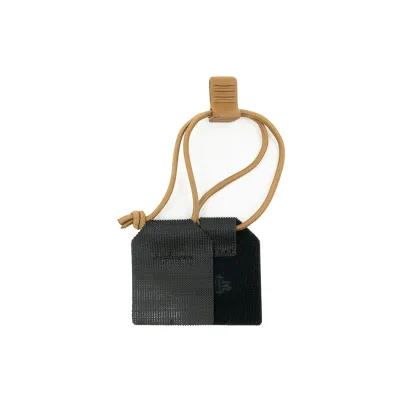
762 Single Mag Insert w/ MP2
Replacing elastic is a straightforward process for many pouches. If you're handy with a needle and thread, you can often sew in new elastic strips. Alternatively, some brands offer replacement kits that include the necessary components. When in doubt, contact the manufacturer or a professional gear repair service to ensure proper installation.
- Keep a spare elastic kit on hand for quick field repairs.
- Inspect the stitching around elastic attachment points—frayed threads can lead to failure.
- If the pouch body is damaged, consider replacing the entire unit rather than just the elastic.
Best Practices for Long-Term Pouch Care
To extend the life of your magazine pouches, integrate these habits into your routine: Store pouches with magazines inserted to maintain their shape, but avoid overstuffing. Keep pouches out of direct sunlight when not in use, as UV rays can degrade elastic and fabric. Rotate your gear if you have multiple pouches to distribute wear. Periodically check all attachment points, such as MOLLE straps or belt loops, for signs of wear.
Investing in quality pouches from reputable brands like Haley Strategic Partners ensures durability, but even the best gear needs care. By following these practices, you'll maximize the lifespan of your pouches and keep them performing reliably.
- Use a gear bag or case to protect pouches during transport.
- Avoid using fabric softeners or bleach when cleaning pouches.
- Consider applying a water-repellent spray to protect against moisture.
Maintaining the elastic and retention on your magazine pouches is essential for reliable performance. Regular cleaning, proper adjustment, and timely replacement will keep your gear in top condition. For high-quality pouches and replacement components, explore our selection at Haley Strategic Partners, including the 762 Single Mag Insert w/ MP2 and Taser 10 Pouch, designed for durability and ease of maintenance.
Taser 10 Pouch