Quick answer
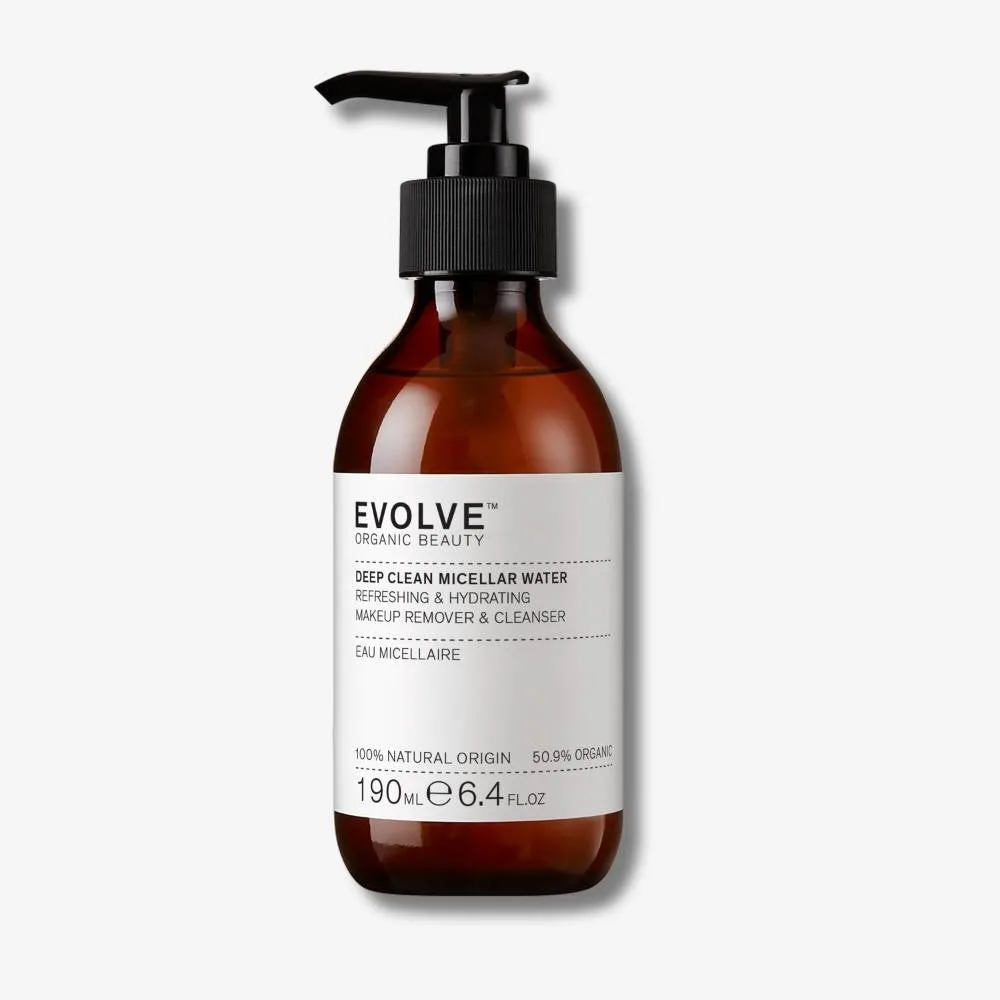
Soak a reusable bamboo pad in micellar cleansing water, press it against your skin for a few seconds, then sweep outward and rinse. This makeup wipe alternative removes makeup without the rubbing that irritates sensitive skin, and it works whether you wear light makeup or a full face.
Why the micellar cleansing method beats a wipe
Disposable wipes rely on friction and often leave residue that can clog pores. Micellar water works differently: tiny surfactant molecules lift makeup, daily impurities and pollution while helping maintain skin comfort and balance, so you are not scrubbing your barrier to get clean. That matters most for sensitive or reactive skin, where a wipe can leave redness that lasts longer than the makeup did.
What you need for a reusable makeup remover routine
You only need two things: a micellar cleansing water and a set of soft reusable pads. Keep a small lidded jar for used pads and a mesh bag for washing them. A dedicated eye makeup remover is optional; if you wear waterproof mascara, check that your micellar water is up to it before relying on it for the whole face. If you prefer a balm, the same pad-and-press technique works, but you will need a second cleanse to remove the balm film.
How to care for reusable pads so they stay hygienic
Rinse each pad under warm water immediately after use, then wash the week's pads in a mesh bag on a gentle cycle or by hand with a mild soap. Skip fabric softener, which coats the fibres and reduces how well they pick up makeup. Air-dry flat. Replace pads when the fabric feels stiff or stained after washing, since that is a sign the fibres are holding residue rather than releasing it.
Gentle makeup removal, step by step
- 1. Start with dry hands and a dry face: Wet skin dilutes micellar water and makes it work harder than it needs to. Keep your hands dry so the pad stays saturated with cleanser rather than water. Checkpoint: if the pad feels dripping wet, squeeze once before you start.
- 2. Saturate one reusable pad: Pour micellar water until the centre of the pad is fully damp, not just the surface. A half-damp pad is the most common reason people feel they have to rub. Checkpoint: one pad should do your whole face; if it dries out halfway, add more water rather than pressing harder.
- 3. Press and hold before you sweep: Place the pad over your eye or cheek and hold for five to ten seconds. This gives the micelles time to dissolve makeup so it lifts away instead of being dragged across the skin. Checkpoint: if you feel tugging, you are moving too soon, not using the wrong product.
- 4. Sweep outward in one direction: Wipe from the centre of your face outward, using a fresh section of the pad for each area. Avoid back-and-forth scrubbing, which is the habit that makes sensitive skin sting. Checkpoint: use a different part of the pad for each eye so you are not moving makeup back onto clean skin.
- 5. Rinse or follow with your regular cleanser: Micellar water can be left on, but rinsing with lukewarm water removes any leftover residue. If you wore heavy or waterproof makeup, follow with your usual cleanser as a second step. Checkpoint: skin should feel comfortable, not tight. Tightness means you have over-cleansed.
- 6. Pat dry and moisturise while skin is still damp: Apply your moisturiser or mist within a minute of patting dry. This is the step that keeps gentle makeup removal from turning into dry, reactive skin over time. Next step: wash the pad and set it out to dry so tomorrow's routine takes seconds.
Product facts
- The Makeup Wipe Alternative Duo: Combines Deep Clean Micellar Cleansing Water with Bamboo Reusable Makeup Remover Pads as a gentle alternative to disposable makeup wipes, lifting makeup, daily impurities and pollution while helping maintain skin comfort and balance. You get the water and the reusable pads in one set, so there is no guessing which pad works with which cleanser.