Quick Answer
The key to a peaceful multi-dog household is structured management: separate resources, supervised introductions, and consistent training. Start with a solid foundation of individual obedience and gradually increase shared activities. If serious aggression occurs, seek professional help immediately.
Assess Your Current Dog's Sociability
Before adding a second dog, honestly evaluate your current dog's comfort around other dogs. Some dogs are social butterflies, while others prefer solitude. Signs like stiff body language, growling, or avoidance indicate your dog may not enjoy canine company. If so, adding another dog could create constant stress for both animals.
If your dog is generally friendly, consider the energy levels and play styles. A high-energy puppy may overwhelm a senior dog, while two dominant personalities might clash. Matching temperaments reduces the risk of conflict and helps both dogs feel secure.
Plan a Controlled Introduction
First meetings set the tone. Choose a neutral location like a park or a friend's yard, and keep both dogs on leash. Walk them parallel at a distance, allowing them to see each other without direct contact. Gradually decrease the distance as they show relaxed body language. Avoid forcing face-to-face greetings, which can trigger defensive reactions.
After a successful outdoor meeting, bring them home with supervision. Keep the new dog in a separate room initially, allowing them to sniff each other under the door. This gradual approach builds positive associations and reduces the chance of territorial disputes.
Manage Resources to Prevent Conflict
Resource guarding is a common issue in multi-dog homes. Dogs may guard food, toys, beds, or even human attention. To prevent problems, feed dogs in separate areas, provide multiple water bowls, and give each dog its own bed. During treat time, use 'place' commands to keep dogs separated until you release them.
Supervise play sessions, especially with toys. If you notice stiffening, growling, or possessive behavior, redirect with a cue like 'leave it' and separate the dogs for a short break. Consistent management prevents small tensions from escalating into fights.
Train Each Dog Individually
Group training can be chaotic with multiple dogs. Instead, work with each dog separately to reinforce basic cues like sit, stay, and come. This builds a strong foundation and helps each dog focus on you, even in distracting environments. Once each dog is reliable, practice training sessions together, starting with short durations.
Individual training also strengthens your bond with each dog, which is crucial for maintaining your role as the leader. Dogs that trust you are more likely to look to you for guidance when tensions arise.
Recognize When to Seek Professional Help
Some conflicts require expert intervention. If you see intense aggression, such as biting, or if one dog constantly bullies the other, consult a certified dog trainer or behaviorist. They can assess the dynamics and create a tailored behavior modification plan. Trying to manage severe aggression on your own can be dangerous for you and your dogs.
Also, consider your own stress levels. If managing the household feels overwhelming, a professional can provide strategies that make daily life easier. Remember, a harmonious home is achievable with the right support.
Diagnosis: Is Your Multi-Dog Household at Risk?
- Symptom: Frequent growling, snapping, or avoidance between dogs, especially around food or toys. This is a warning sign of resource guarding or poor introductions.
- Likely Cause: Lack of structured management: dogs compete for limited resources or feel insecure about their place in the home. Implement separate feeding, supervised play, and individual training to reduce competition.
- Corrective Action: Revisit introductions, increase supervision, and practice 'leave it' and 'place' cues. If aggression persists, consult a professional. Consistency is key; do not skip management routines.
- Stop or Choose Another Option: If you see intense, unrelenting aggression or feel unsafe, stop trying to manage on your own. Seek a certified behaviorist or consider rehoming the new dog for everyone's safety. Your safety and the dogs' well-being come first.
Helpful Resources for Multi-Dog Owners
- Managing A Multi-Dog Household: This downloadable e-book teaches you how to tell if your current dog can live with another dog and where and how to best find a compatible companion. Before you bring a second dog home, this guide helps you evaluate compatibility and choose the right path, reducing the risk of future conflicts.
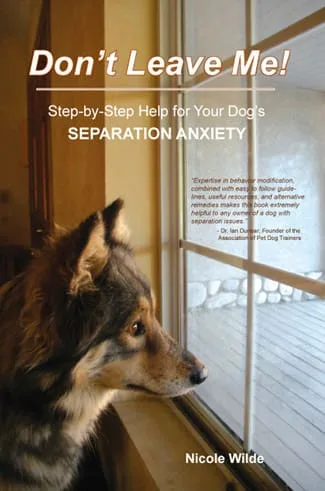
- Don’t Leave Me!: This comprehensive book includes step-by-step instructions and an interactive format to customize a rehabilitation plan for separation anxiety. If your multi-dog household includes a dog that struggles when left alone, this resource provides a structured approach to ease their distress.