Why a monopod suits long-lens work
A monopod gives you one vertical support point under a long lens, which can reduce the fatigue of hand-holding while keeping the rig more mobile than a tripod. It is a practical middle ground for situations where you need to move between positions but still want extra steadiness.
The Matphoto listing for the Manfrotto monopod is a rental item, so your first step is to treat it as a support tool to plan around, not a complete long-lens solution. The listing does not supply load ratings, height range, head type, or plate compatibility, so those details need to be confirmed before you build your setup around it.
What the Matphoto listing confirms
-
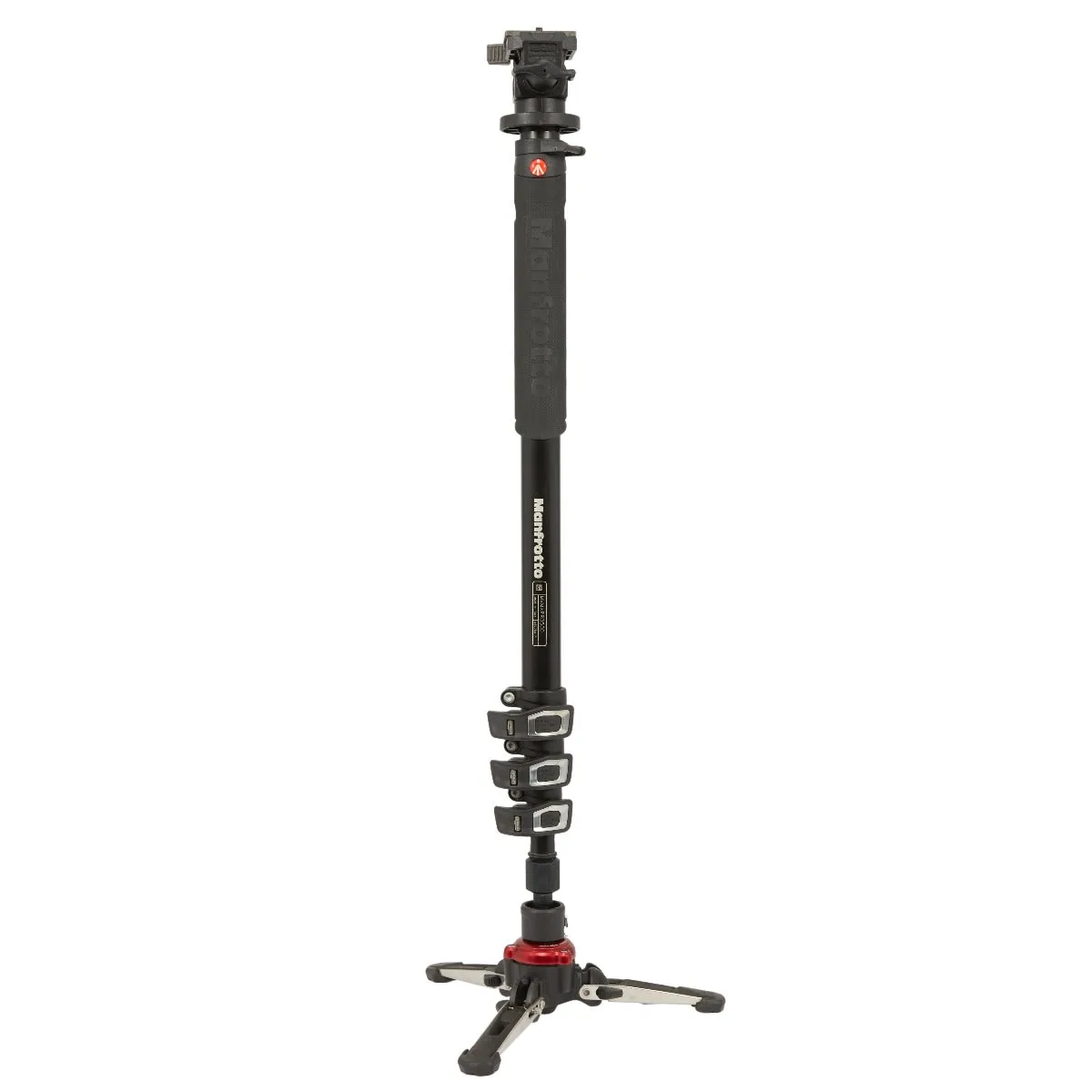
MANFROTTO MONOPOD: MANFROTTO MONOPOD is offered by Matphoto as a rental item, listed under the rental category. This tells you the support is available to book rather than buy, so you can plan a short-term long-lens shoot without committing to a purchase.
MANFROTTO MONOPOD
-
MANFROTTO MONOPOD: The listing is labeled LOC. MONOPOD and carries the tags rental, ROTULES, TREPIEDS, and VIDEO. The video tag suggests it may be relevant for photo and video support setups, but the listing does not confirm a specific head, plate, or camera interface.
Plan the rental around your lens and body
- Start with the lens, not the monopod: Note the length and weight of the lens you plan to use. The supplied listing does not include a load capacity, so you cannot assume the monopod is rated for your specific long lens without asking Matphoto first.
- Check how your lens attaches: Many long lenses use a tripod collar or foot. The listing does not confirm whether a head, plate, or mounting screw is included, so confirm the connection method before you rely on the rental.
- Decide whether you need a head: A monopod can be used with or without a head depending on your setup. The listing does not state whether a head is part of the rental, so treat this as an open question for Matphoto rather than an assumption.
- Match the rental to the shoot: If your long-lens work involves standing in one area for long periods, a monopod can reduce fatigue. If you need hands-free framing or long exposures, a monopod may not be the right support, and the listing does not claim to replace a tripod.
Monopod setup tips for steadier long-lens shooting
The following are general technique suggestions, not manufacturer instructions for this specific Manfrotto model. The supplied listing does not include setup steps, so use these as planning points and confirm any model-specific details with Matphoto.
- Extend from the bottom up: A common approach is to extend the lowest leg section first, which can keep the joints you rely on most in a more stable position. The listing does not confirm the number or type of leg sections, so check the actual unit when it arrives.
- Keep the load over the foot: Aim to keep the monopod close to vertical so the weight sits over the base. The listing does not specify a foot type, so check what is on the bottom of the rental before you lean the setup.
- Use your body as a second contact point: Resting the monopod against a stable surface or bracing it lightly with your body can help reduce sway. The listing does not include safety guidance, so use your own judgment and avoid leaning on anything unstable.
- Test before the shoot starts: Do a few test frames at your working focal length and shutter speed. The listing does not supply performance claims, so let your own test results tell you whether the support is steady enough for the shot.
When a monopod is the right call for a long lens
- You need mobility with extra support: A monopod can be quicker to reposition than a tripod, which suits long-lens work where the subject moves between spots.
- You are hand-holding for long stretches: If fatigue is affecting your framing, a single support point can help you keep the lens up longer. The listing does not promise a specific level of stabilization.
- You are working in a tight space: A monopod takes up less floor area than a tripod, which can matter in crowded locations. The listing does not confirm folded length, so check that detail if space is tight.
- You do not need hands-free operation: A monopod generally requires a hand on the rig. If your shot needs the camera to stand alone, plan for a tripod instead.
What to confirm with Matphoto before you book
The supplied listing is thin on technical detail. Before you request the Manfrotto monopod rental, ask Matphoto to confirm the mounting interface, whether a head or plate is included, the maximum height, the folded length, and any load guidance for the unit you will receive.
Also ask how the rental is handed over and what you need to bring. The listing does not include pickup, deposit, or return details, so those practical points should come directly from Matphoto rather than from assumptions.
If your long lens is particularly heavy or long, be explicit about the setup you plan to use. The listing does not state a load capacity, so Matphoto is the right source for that answer.
The honest trade-off
A monopod is a compromise: it adds stability without the full three-point support of a tripod, and it keeps you more mobile at the cost of hands-free operation. For long-lens work where you are moving and hand-holding, that trade-off often makes sense. For static, long-exposure, or fully hands-free shots, a tripod is the more appropriate support.
The Matphoto listing confirms the Manfrotto monopod is available as a rental and is tagged for video use, but it does not confirm the specific head, plate, height, or load details. Treat those as questions to resolve before your shoot day, not as features you can assume.