Quick answer
Choose a monopod when you need speed, a small footprint, or all-day handheld relief: sideline sports, wildlife with long lenses, and crowded events. Choose a tripod when the shot depends on perfect stillness: long exposures, macro, nightscapes, product work, and precise composition. Many shooters end up owning both because they solve different problems.
Stability, speed, and the real trade-off
A tripod locks the camera in three axes, so it can hold a multi-second exposure, a focus-stacked macro sequence, or an exact horizon without you touching the rig. A monopod only removes vertical handshake; it still leans, pans, and drifts unless you brace it against your body or a solid object. That single difference explains almost every practical choice between them.
The trade is time and space. A monopod sets up in seconds, takes up roughly a footprint, and lets you track a moving subject without re-leveling. A tripod takes longer to deploy, needs floor or ground space, and can be awkward in crowds. If your shutter speed is already fast enough for the subject, the monopod's speed usually wins. If the shutter speed is slow, only the tripod is reliable.
When to use a monopod (and when it fails)
Use a monopod for wildlife and sports with long lenses, where you are panning and the subject is moving. It supports the lens weight, reduces fatigue, and keeps you mobile. It is also the practical choice in packed venues, museums, and venues that restrict tripods.
It fails for long exposures, night skies, light painting, and any shot where you need the camera to stay put while you step away. It also offers no help for precise framing that requires small adjustments. If you shoot video, a monopod can work for static shots, but a tripod with a fluid head is more controllable for smooth pans and tilts.
When a tripod is worth the weight
A tripod is the right call for landscape at sunrise, cityscapes at night, macro, product photography, and any situation where you want repeatable framing. It also lets you use slower ISOs and smaller apertures without raising shutter speed, which is often the difference between a clean file and a noisy one.
For travel photography, the decision is usually about weight and packability rather than principle. A compact travel tripod with a ball head can fit in a carry-on, but it will be less rigid than a full-size model. If you are hiking long distances, consider whether the shots you want actually require a tripod, or whether a monopod plus good handholding technique covers most of them.
Head compatibility and mounting basics
Most monopods and tripods use a standard 1/4"-20 mounting screw, so heads are often interchangeable. The practical question is whether the head suits the support. A ball head on a monopod gives you quick re-leveling but can flop when you loosen it; a tilt head or a dedicated monopod head keeps the camera aligned with the pole. On a tripod, a ball head is versatile for stills, while a pan-and-tilt or fluid head is better for video and precise framing.
Check the load rating of both the head and the legs or pole, and add the weight of your heaviest lens plus camera. If you use a long telephoto, a lens collar lets you balance the rig on the head instead of stressing the camera mount. Quick-release plates are worth standardizing across your supports so you can move one camera between them without swapping hardware.
Monopod stability tips that actually help
A monopod is only as steady as your technique. Stand with feet apart, tuck your elbows in, and press the top of the monopod against your forehead or shoulder for a third contact point. For panning, keep the monopod vertical and rotate your body rather than tilting the pole. If you need more stillness, lean the monopod against a wall, fence, or railing, or step on the base with your foot.
Use image stabilization if your lens or camera has it, but check the manufacturer's guidance for panning mode. Some stabilization systems fight a monopod when they are set for static shots. A remote release or the self-timer helps when you are bracing the monopod and do not want to jab the shutter.
Trade-offs at a glance
- Stability: Tripod locks the camera in place for long exposures and precise framing. Monopod only removes vertical shake and still drifts. If the shot needs seconds, choose a tripod.
- Speed and footprint: Monopod deploys in seconds and needs almost no space. Tripod takes longer to set up and needs floor or ground area. In crowds or fast action, a monopod keeps you shooting.
- Weight and travel: Monopods are generally lighter and easier to pack. Travel tripods trade rigidity for portability. For carry-on-only travel, decide based on whether your key shots need stillness.
- Head compatibility: Both use a standard 1/4"-20 screw, but the right head differs: tilt or dedicated monopod heads for poles, ball or fluid heads for tripods. Match the head to the support and your subject.
Gear that fits these roles
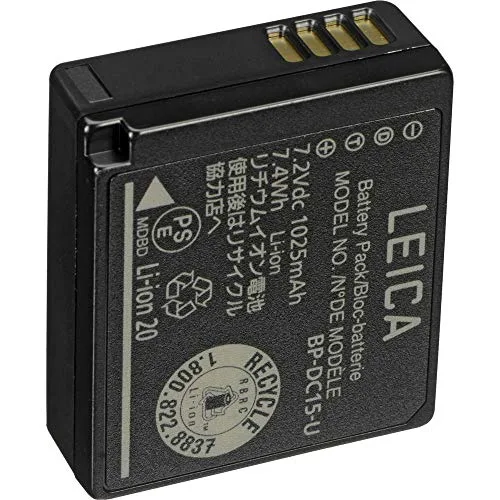
- Leica BP-DC15 Li-ion Battery for D-LUX (Typ 109) Open Box: Leica BP-DC15 Li-ion Battery, 7.2V, 1025mAh, compatible with D-LUX 8, D-LUX 7, D-LUX (Typ 109), and C-Lux. A spare battery keeps a monopod or tripod session going when you are shooting long events or travel days without easy charging.
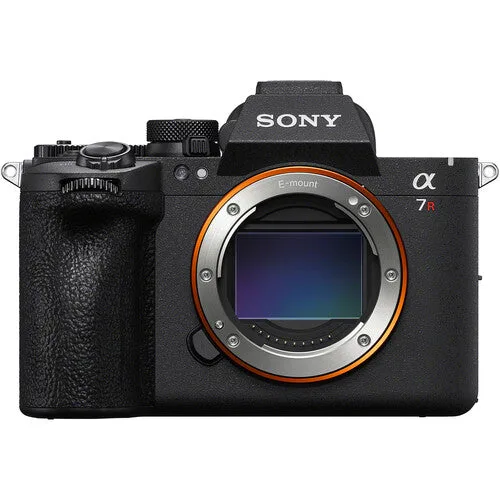
- Sony a7R VI Mirrorless Camera: Sony a7R VI Mirrorless Camera: 66.8MP full-frame stacked sensor, 8.5-stop IBIS, 30 fps with AF/AE, 8K 30 and 4K 120 10-bit video, dual CFexpress Type A/SD slots. High resolution and IBIS reward solid support: a tripod protects detail in long exposures, while a monopod helps with heavy lenses and fast action.
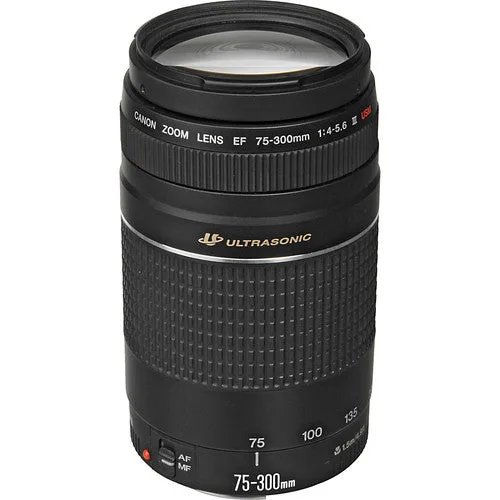
- Canon EF 75-300mm f/4-5.6 III USM Lens: Canon EF 75-300mm f/4-5.6 III USM Lens: EF-mount, full-frame, 4x zoom, Micro Ultrasonic Motor AF, 7-blade diaphragm. A medium telephoto zoom is a typical monopod companion for sports and wildlife, where you want to pan and track without carrying a tripod.
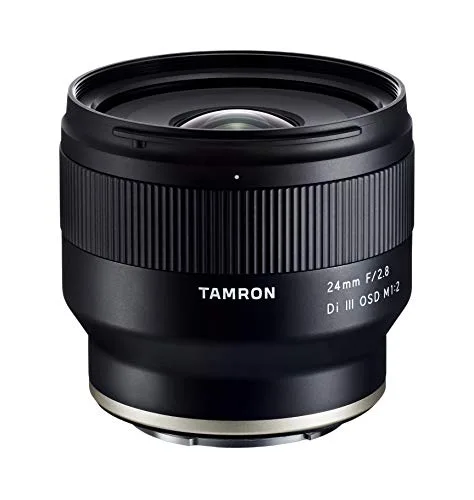
- Tamron f/2.8 Di III OSD Wide-Angle Prime Lens for Sony E-Mount: Tamron f/2.8 Di III OSD Wide-Angle Prime Lens for Sony E-Mount: compact, light, 1:2 macro close focus, moisture-resistant construction, 6-year USA warranty on new lenses from authorized dealers. A light wide-angle prime suits travel and close-up work; pair it with a compact tripod for macro and low-light scenes where a monopod cannot hold still.
Which should you choose?
Best for
- Sports and wildlife shooters who pan with long lenses and need mobility
- Event and travel photographers in crowded spaces where tripods are impractical
- Shooters who want all-day handheld relief without a full tripod setup
Not for
- Long exposures, nightscapes, and light painting that require a locked camera
- Macro and product work where precise framing and repeatability matter
- Video pans and tilts that need a fluid head and a stable base