Quick answer
Choose manga if you prefer fast-paced visual storytelling and action sequences. Pick a light novel if you want deeper internal monologue, world-building, and narrative detail. Both formats often adapt the same series, so your choice depends on whether you value art or prose more.
Storytelling and Pacing
Manga tells its story primarily through sequential art, with dialogue and sound effects supporting the visuals. Panels control pacing—action scenes feel quicker, emotional moments linger on a single page. Light novels rely on descriptive prose and internal thoughts, giving you a slower, more introspective experience. For example, a battle that takes two manga pages might unfold over several paragraphs in a light novel, revealing character motivations you won't see in the drawn version.
If you're catching up before a new anime season, manga is usually faster to read. Light novels often contain extra scenes and backstory that the anime skips, making them a better choice if you want the complete narrative.
Art and Visual Experience
Manga delivers a full visual experience—character designs, backgrounds, and action choreography are all drawn. Light novels include occasional illustrations (usually at chapter openings or key moments), but the story is carried by text. If you're drawn to an artist's style or want to see fights play out panel by panel, manga is the obvious pick. If you enjoy imagining scenes from description, a light novel gives your imagination more room.
Reading Order and Series Availability
Many popular series exist in both formats, and the anime may adapt either one. A common approach is to start with the manga for a quick overview, then switch to the light novel for arcs you want to explore deeper. Some readers stick with one format for consistency. Check the source material of your favorite anime—if it's based on a light novel, that version is likely the original story. If it's based on manga, the manga is the primary source.
Manga vs Light Novel: Tradeoffs at a Glance
- Pacing: Manga moves faster with visual shortcuts; light novels linger on internal thoughts and description. Pick manga for quick reads, light novels for depth.
- Art: Manga has full-page illustrations and paneled action; light novels have sparse illustrations. Choose manga if art style matters to you.
- Story Completeness: Light novels often include cut scenes and more backstory than the manga or anime adaptation. Go light novel if you want the fullest version.
- Reading Time: A manga volume takes about 30–60 minutes; a light novel volume can take 3–6 hours. Manga fits busy schedules better.
Manga Examples to Consider
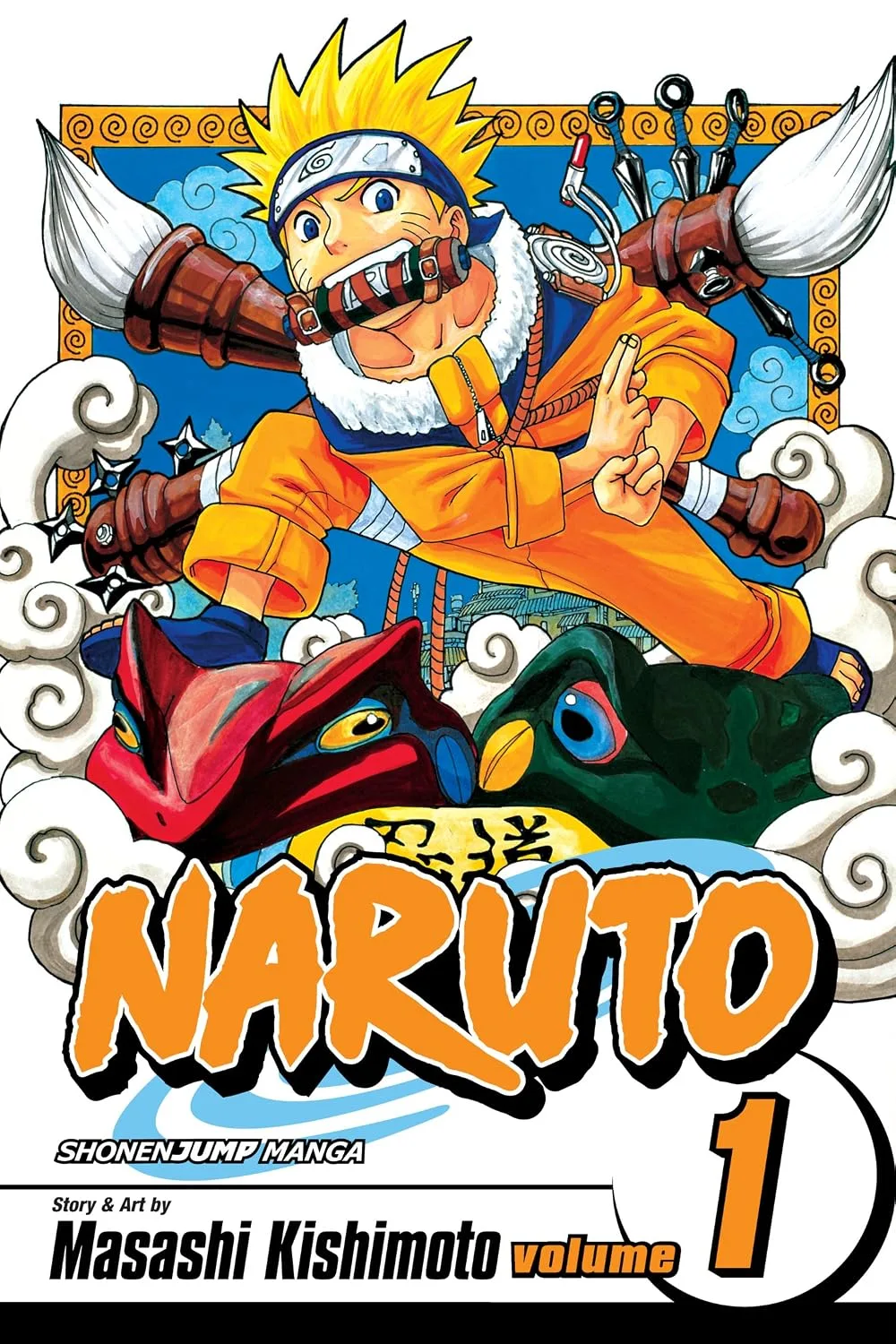
- Naruto VOL 60: Volume 60 marks a turning point as Naruto forges a true alliance with Kurama, the Nine-Tailed Fox, gaining access to its full power in time to help subdue several revived tailed beasts. A VIZ Media release. This volume delivers a major emotional and action-packed payoff that manga fans love—visualizing the bond between Naruto and Kurama through art is a highlight you won't get in a prose-only version.
- Frieren: Beyond Journey's End VOL 7: Although the examinees have overcome many physical threats, passing the first-class mage exam ultimately comes down to a simple interview with Serie, whose intuition will determine success or failure. Once the exam is over, Frieren, Fern, and Stark set out again on their journey to Aureole, the land where souls rest. Frieren's quiet, reflective tone is beautifully captured in manga art—the pacing of panels mirrors the story's contemplative mood, making it a great example of why manga suits slower, character-driven narratives.
Which Format Fits You?
Best for
- Readers who want fast, visual storytelling and love action sequences
- Fans who follow anime adaptations and want a quick catch-up before a new season
Not ideal for
- Readers who prefer deep narrative detail and internal character monologue
- Anyone who wants the complete original story with extra content not in the anime