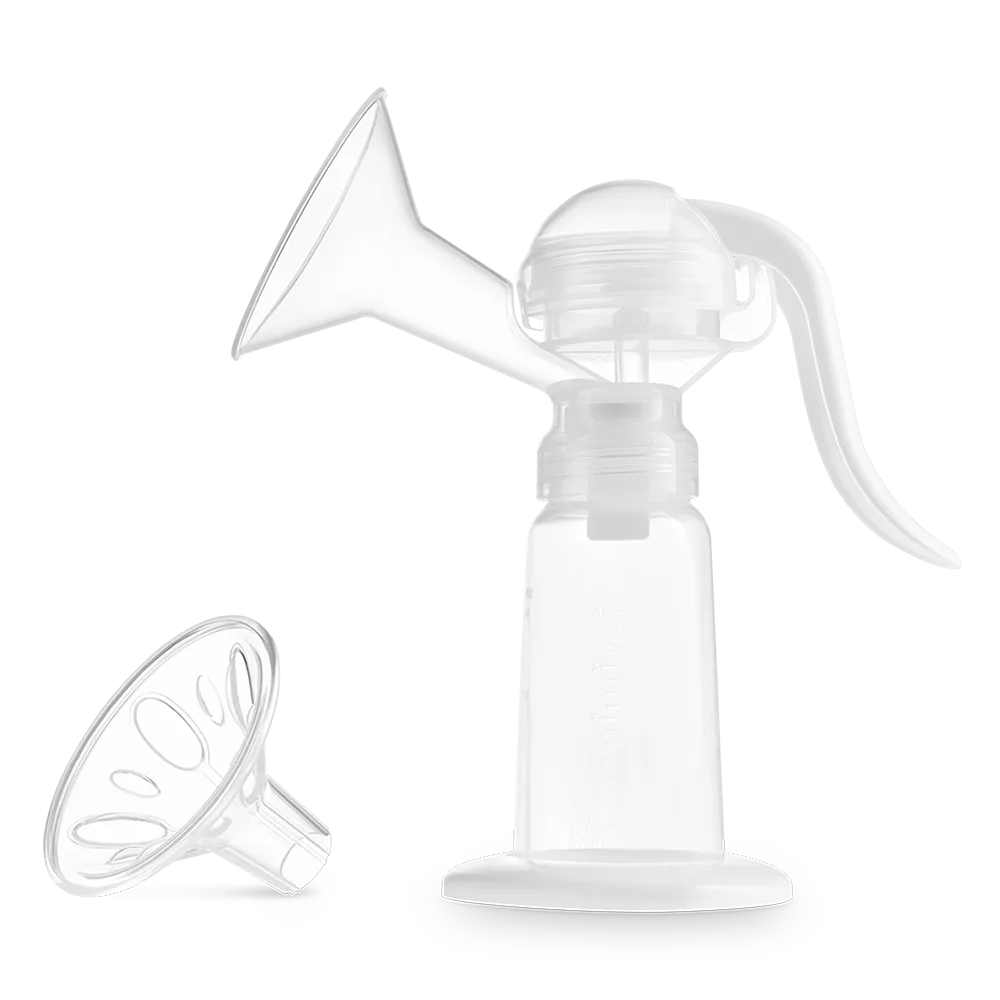
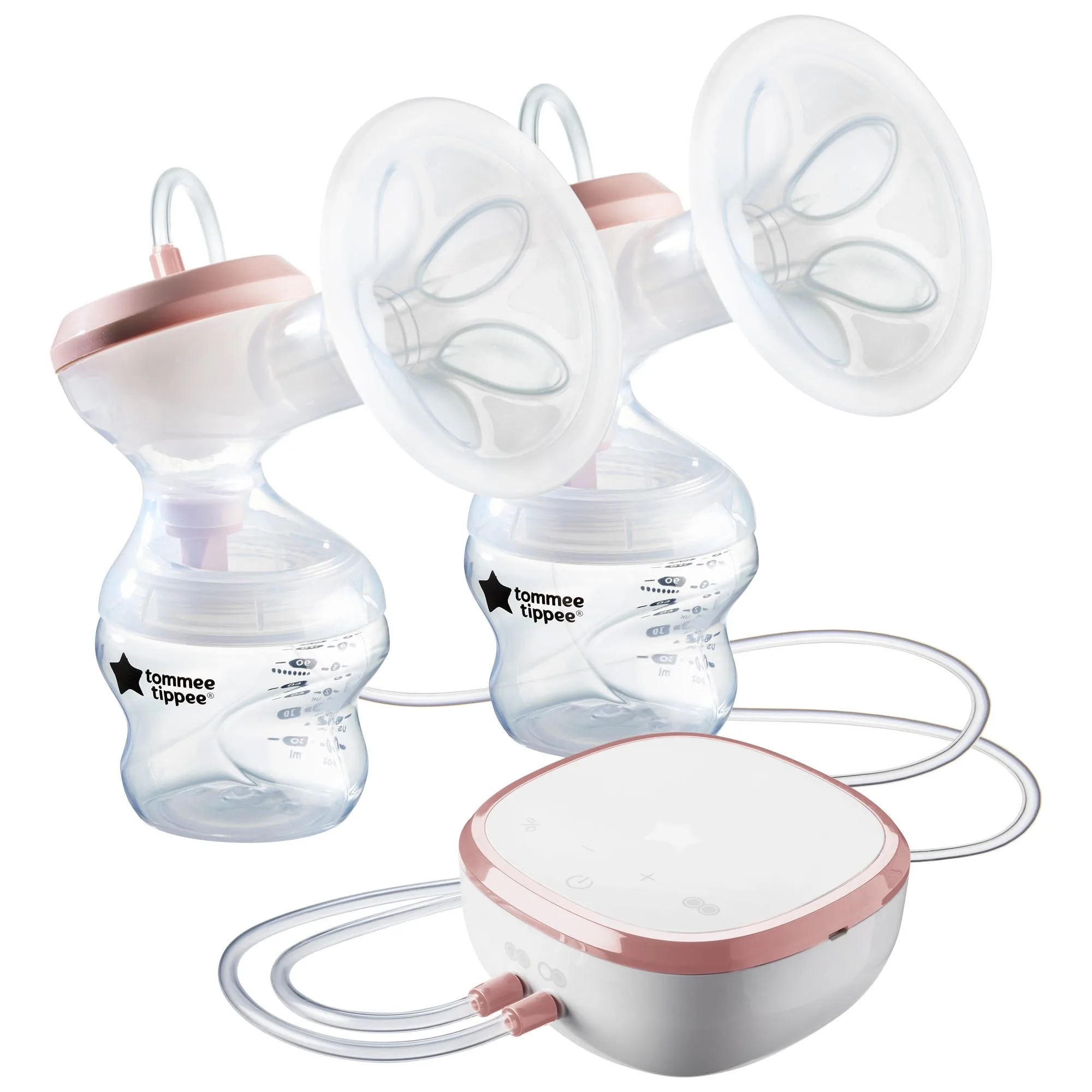
The real question: what do you need the pump to do?
Choosing between a manual breast pump and an electric pump comes down to how often you pump and where. A manual pump is a compact, low-cost option for occasional use, travel, or as a backup. An electric pump is typically chosen for frequent or double pumping sessions, but the supplied information here focuses on the manual side, so this comparison explains what a manual pump can and cannot do rather than making unsupported claims about electric models.
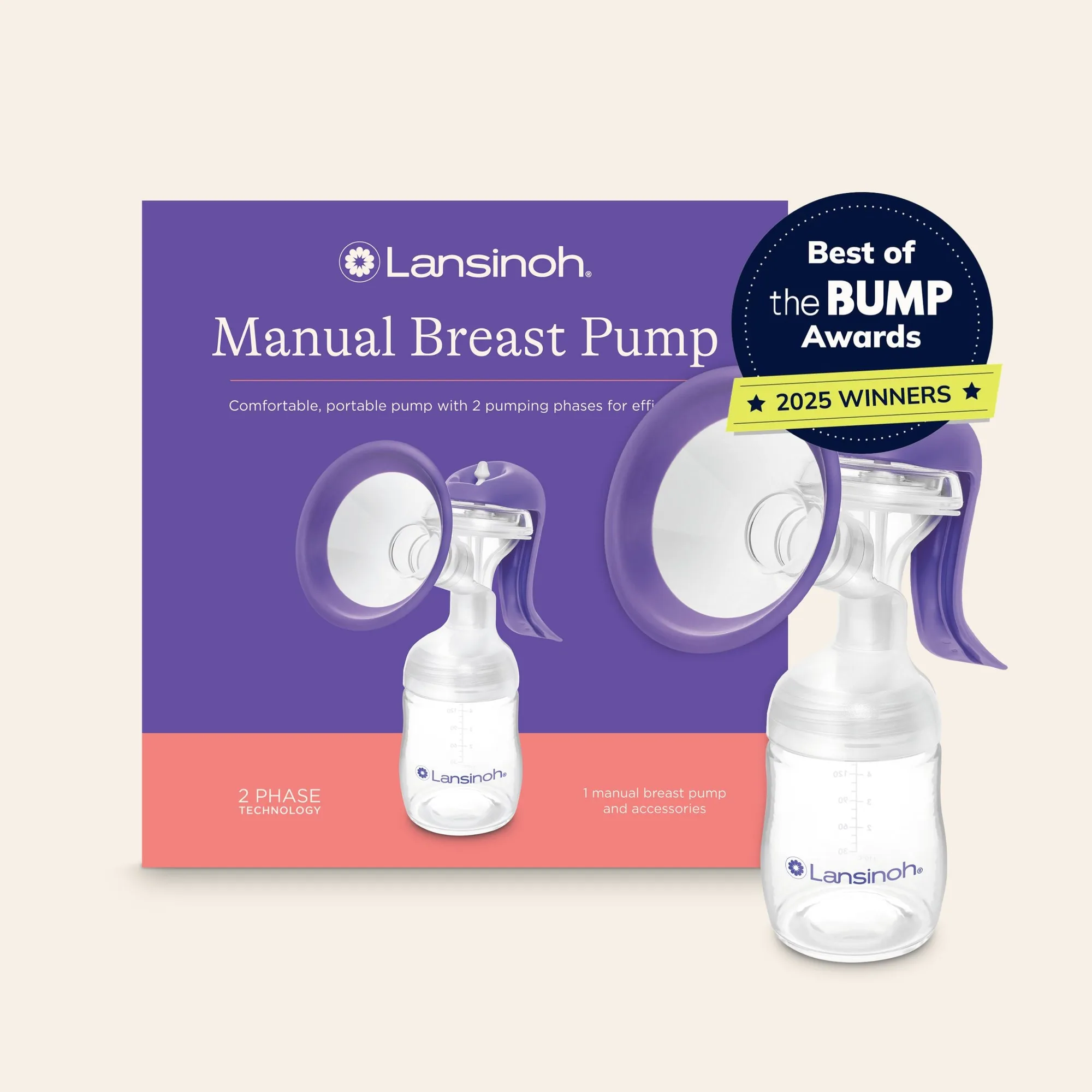
The Lansinoh Manual Breast Pump is described as ideal for occasional use at home or on the go. That single phrase sets the boundary: if you need to pump several times a day, every day, a manual pump may not be the most efficient choice, but for occasional sessions it can be enough.
Manual vs electric at a glance
- Power source: Manual: your hand. Electric: motor and power source. The manual pump needs no batteries or outlet, which makes it a practical travel and backup option.
- Portability: The Lansinoh Manual Breast Pump is described as lightweight and compact, with few parts. Electric pumps typically include a motor unit, tubing, and a power supply, which can be bulkier to carry.
- Control: With a manual pump, you control the rhythm and suction by squeezing the handle. The Lansinoh pump has two modes, Stimulation and Expression, and is designed not to exceed 250 mmHg.
- Cleaning: The manual pump has fewer parts and is described as simple to clean. Some parts are dishwasher-safe on the top rack, but hand washing is recommended to extend their usefulness.
- Cost: The Lansinoh Manual Breast Pump is listed at USD 14.04 (catalog comparison price USD 28.09). Electric pumps generally cost more, though prices vary by model and are not covered here.
- Best for: Manual: occasional use, travel, or as a backup. Electric: frequent pumping or established supply routines, based on general practice, though specific electric models are not detailed in the supplied information.
When a manual pump is enough
A manual pump makes sense when you need to express milk occasionally, not as your main routine. The Lansinoh Manual Breast Pump is designed for occasional use at home or on the go. If you pump once in a while to relieve engorgement, to have a small stash for an outing, or to maintain supply while traveling, a hand pump can be sufficient.
It is also a sensible backup. Keep one in your bag or at work in case your electric pump fails or you are away from power. Because it has fewer parts and is lightweight, it is easy to carry and clean.
Lansinoh Manual Breast Pump: key features
-
Manual Breast Pump: Two-mode pumping: Stimulation and Expression to help let-down and pumping efficiency. Lets you mimic the two phases of milk release, which can make occasional pumping more effective.
Manual Breast Pump
-
Manual Breast Pump: ComfortFit flanges in two sizes: standard (25mm) and large (30.5mm). Having two sizes helps you find a better fit, which is important for comfort and suction.
-
Manual Breast Pump: Ergonomic easy-express handle reduces hand fatigue. Manual pumping requires hand strength; a comfortable handle can make occasional sessions easier.
-
Manual Breast Pump: Designed specifically for Lansinoh brand bottles and will not fit with bottles from other brands. Compatibility is limited to Lansinoh bottles, so consider your bottle system before buying.
-
Manual Breast Pump: BPA and BPS free. A material safety point many parents look for.
When an electric pump may be the better fit
If you pump regularly, such as multiple times a day or during work hours, an electric pump is generally more efficient because it automates the pumping rhythm. The supplied information does not include specific electric pump models, so this is a general consideration rather than a product comparison. For established supply and frequent sessions, many parents choose electric for speed and ease.
That said, a manual pump can still complement an electric pump. Use the manual for travel or as a backup, and the electric for your main routine.
Cleaning and care: what to expect from a manual pump
The Lansinoh Manual Breast Pump has fewer parts, which simplifies cleaning. The white valve, silicone diaphragm, stem, and ComfortFit flange may be washed in the dishwasher, but hand washing is recommended to prevent loss and extend usefulness. The breast flange, bottle, handle, and bottle stand may be cleaned on the top rack of the dishwasher or hand washed with dish soap and hot water.
For sanitizing, disassemble and boil all parts in water for five minutes, ensuring ample water and that no parts touch the bottom or sides of the pot. Remove all parts immediately after boiling and air-dry completely before assembly or next use. These steps are straightforward, but always follow the manufacturer's instructions.
What the supplied information does not cover
The supplied information does not include details on electric pump models, suction strength comparisons, or long-term durability. It also does not specify whether the manual pump is suitable for exclusive pumping or for building a full milk supply. Those decisions depend on your individual circumstances and advice from a healthcare professional.
Additionally, the manual pump is designed for Lansinoh bottles only, so if you use another bottle brand, you may need to consider compatibility. The pump's suction is designed not to exceed 250 mmHg, but how that compares to electric pumps is not provided.