Quick answer
Buy a manual pump if you pump only occasionally, need a compact backup, or want to spend under $30. Buy an electric pump if you pump daily, return to work, or need to protect a milk supply. Many moms keep both: a manual pump for travel or emergencies and an electric pump for routine sessions.
How often will you actually pump?
The single best predictor of which pump you need is how many times per day you plan to pump. If you pump once a day or less—for an occasional bottle, to relieve engorgement, or while traveling—a manual pump is usually enough. If you pump two or more times daily, or you are building a stash for a return to work, an electric pump saves significant time and hand fatigue.
Occasional use also means you can tolerate a slower session. Daily use means every minute of a session matters, and a pump that requires you to power every stroke with your hand becomes a barrier to keeping up your routine.
Where and when you will pump
Manual pumps shine in unpredictable locations: a car, a plane, a bathroom stall, or a quiet corner at a conference. They need no outlet, no battery, and no tubing. Electric pumps need either a wall outlet or a charged battery, so consider how reliably you can access power where you pump.
If you pump in the same place every day—a dedicated lactation room or your desk—an electric pump's speed and adjustable settings are worth the extra setup. If your pumping locations change daily, a manual pump or a lightweight electric pump that runs on batteries is easier to carry.
Cost and long-term value
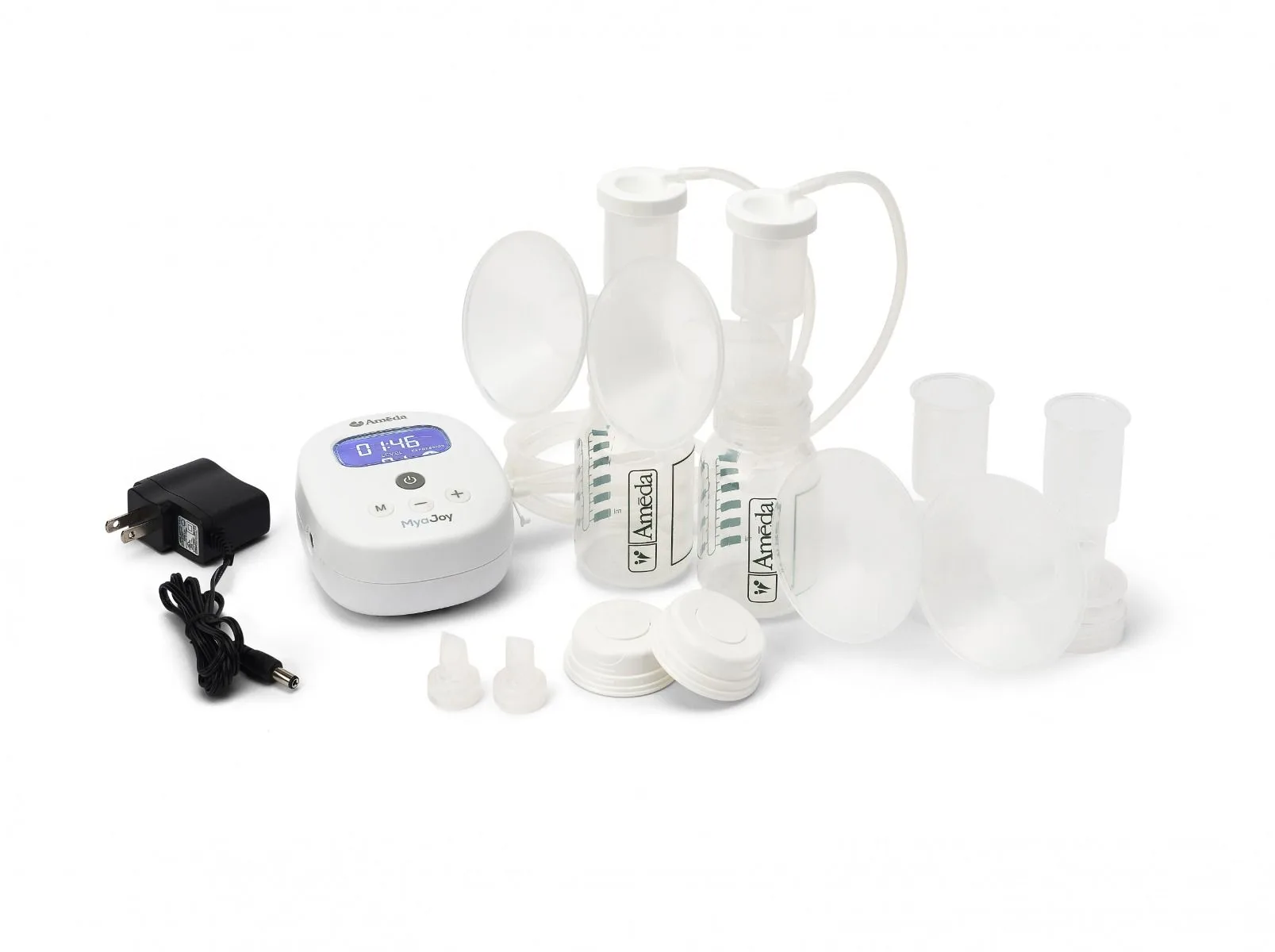
Manual pumps cost less up front. The Ameda Portable Manual Breast Pump is $25.27 (compared to a $33.69 list price), which makes it an easy second pump or a starter pump. Electric pumps cost more because they include a motor, adjustable settings, and often a pump kit. The Ameda Mya Joy Hospital Strength Portable Electric Breast Pump is $91.79 (compared to a $134.99 list price).
Think about cost per session, not just sticker price. If you pump 100 times, the manual pump costs about a quarter per session; the electric pump costs under a dollar per session and saves you time on each one. If you pump 10 times total, the manual pump is the obvious value.
Fit guidance for either pump
Whichever pump you choose, the flange or breast shield must fit your nipple, not just the pump. A flange that is too small can pinch and reduce output; one that is too large can pull in too much areola and cause pain. Fit matters more than motor power for comfort and milk removal.
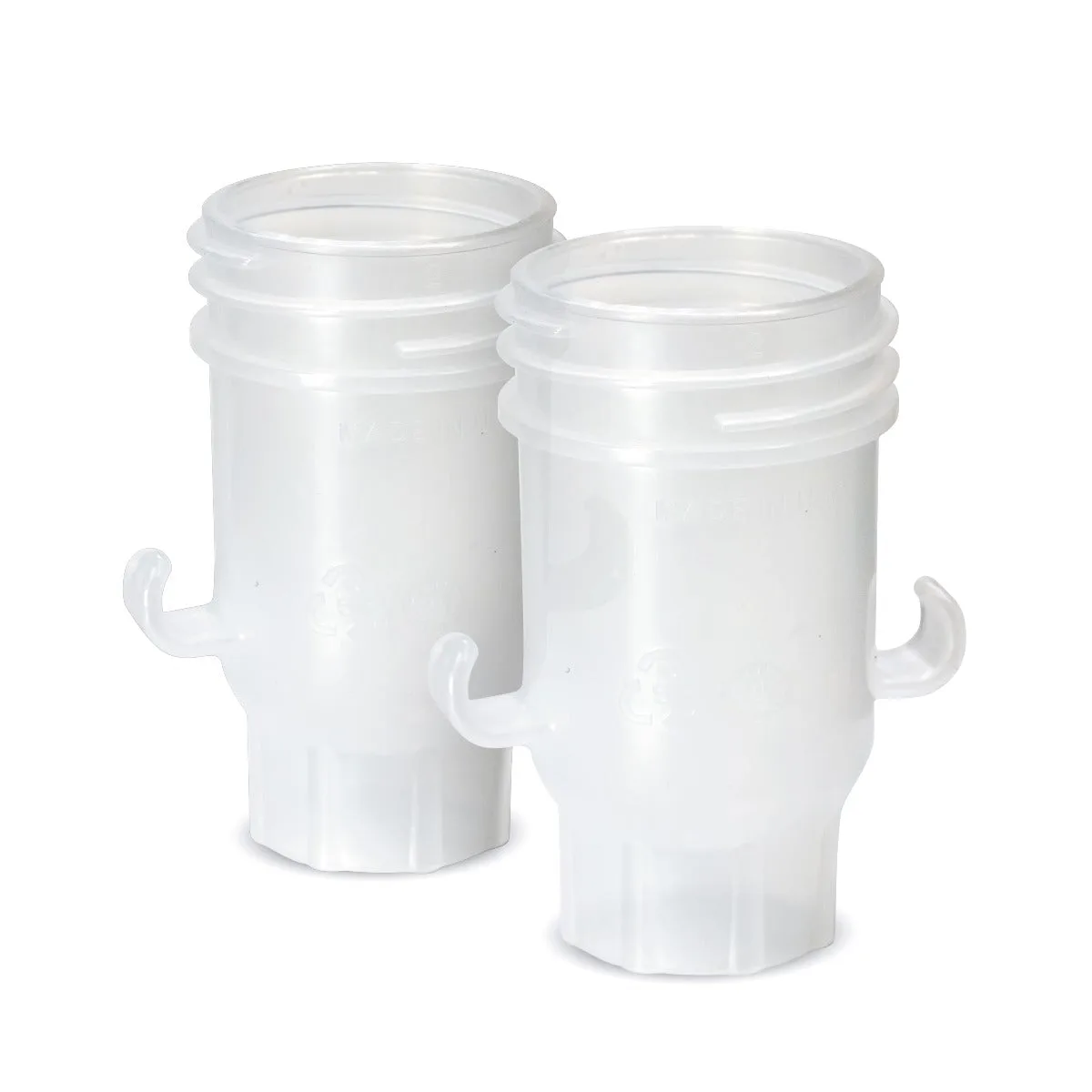
Ameda manual and electric pumps use collection systems with specific flange sizes. Check the fit after your first few sessions: if you see a ring of redness, persistent pinching, or a drop in output, try a different flange size before assuming the pump is wrong for you.
Single or double pumping
Double pumping—pumping both breasts at once—usually saves time and can support higher output because it triggers more let-down. Some electric pumps, like the Mya Joy, offer adjustable settings for single or double pumping. Manual pumps are typically used one side at a time, though you can alternate.
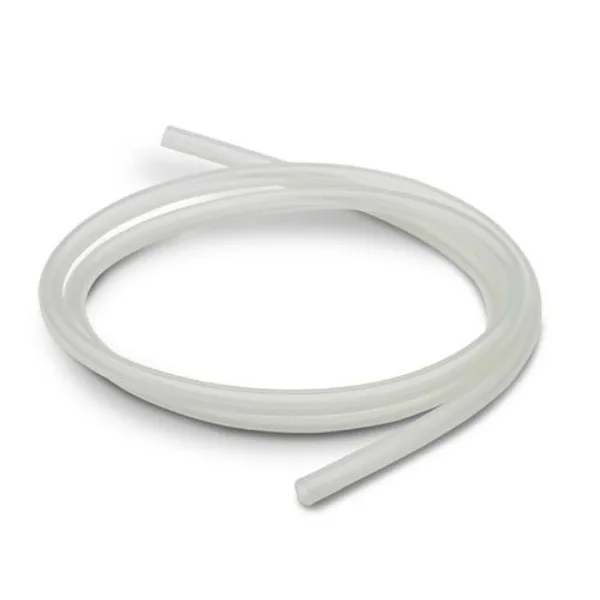
If you plan to double pump with an electric pump, confirm the pump kit and tubing support it. The Ameda HygieniKit Tubing Adapter connects the tubing of the HygieniKit Milk Collection Systems to the electric pump body and enables single or double pumping, so each session can be set up the way you want.
When a hospital-grade pump makes sense
If you are pumping exclusively, building a supply for a preterm baby, or need to establish milk production when a baby cannot nurse directly, a hospital-grade pump may be the right tool. The Ameda Pearl Multi-User Hospital Grade Breast Pump is designed to build milk supply among pump-dependent, preterm, and term moms, and combines durability for the hospital environment with lifestyle features for home use.
Hospital-grade pumps cost more—the Pearl is $620.49 (compared to an $849.99 list price)—so they are usually a rental or a specialized purchase rather than a first pump. For everyday occasional or working-mom pumping, a manual or portable electric pump is more practical.
Decision rules for buying a manual or electric pump
- Pump once a day or less: Choose a manual pump. It costs less, needs no power, and is easy to store in a bag for occasional sessions. Ameda Portable Manual Breast Pump is a low-risk first or backup pump.
- Pump two or more times daily or return to work: Choose an electric pump with adjustable settings and single or double pumping. Speed and reduced hand fatigue matter more than the lower upfront price of a manual pump. Ameda Mya Joy Hospital Strength Portable Electric Breast Pump fits daily and working-mom routines.
- Already own an Ameda electric pump and want to double pump: Check whether your HygieniKit collection system includes the tubing adapter. If it is missing or damaged, replace the adapter rather than the entire kit. Ameda HygieniKit Tubing Adapter is the low-cost part that enables single or double pumping.
- Pumping exclusively or building supply for a preterm baby: Consider a hospital-grade pump designed for pump-dependent mothers. These cost more and are often rented or prescribed rather than bought as a first pump. Ameda Pearl Multi-User Hospital Grade Breast Pump is built for that level of demand.
Ameda pumps at a glance
- Ameda Portable Manual Breast Pump: The Ameda Portable Manual Breast Pump is a single-user pump intended to help mothers safely and effectively express and store milk when they are unable to nurse directly, and it is an excellent choice for mothers who pump occasionally. Its ergonomic handle is based on the original design that earned the High Design-Innovation Quality Award from Design Zentrum Nordrhein-Westfalen. If you pump occasionally or need a compact backup, this pump covers the basics without a motor, batteries, or tubing.
- Ameda Mya Joy Hospital Strength Portable Electric Breast Pump: The Ameda Mya Joy Hospital Strength Portable Electric Breast Pump offers adjustable settings for single or double pumping, is powerful, lightweight, and quiet, and features the world's only FDA-cleared pump kit that helps protect breast milk. If you pump daily or return to work, adjustable single/double pumping and a quieter motor make sessions faster and more discreet.
- Ameda HygieniKit® Tubing Adapter: The Ameda HygieniKit Tubing Adapter connects the tubing of the HygieniKit Milk Collection Systems to the electric breast pump body, is found in and compatible with all Ameda HygieniKit Milk Collection Systems, and enables single or double pumping. If you already own an Ameda electric pump or collection system, this small part determines whether you can double pump or need to replace the whole kit.
Which pump fits your situation?
Best for
- Mothers who pump occasionally or need a compact backup pump
- Travel, car, or unpredictable pumping locations without reliable power
- A first pump when you are unsure how often you will pump
Not for
- Mothers who pump two or more times daily and need speed and reduced hand fatigue
- Exclusive pumping or building a milk supply for a preterm baby
- Anyone who needs adjustable suction settings or double pumping as a default