Quick Answer
For most children under 6, a soft manual toothbrush you brush with them is the simpler choice because it costs less, needs no charging, and lets you feel exactly where the bristles land. An electric toothbrush helps older kids and kids who rush or resist brushing, since the moving head does part of the work. If your child is still learning to brush on their own, start manual and switch when they can reliably hold a brush for two minutes.
What Actually Differs Between the Two
A manual toothbrush depends entirely on your hand or your child's hand for every stroke. That means the cleaning result tracks directly with technique and time. An electric toothbrush adds its own motion, so even a rushed pass covers more ground, but it still can't reach the spaces a child skips or refuses to open up.
The practical differences come down to three things: who is holding the brush, how long brushing lasts, and how much maintenance the brush itself needs. Manual brushes need rinsing and air drying. Electric brushes add charging, replacement heads, and a body that shouldn't sit in water.
The Independence Question
Manual brushing builds a skill your child keeps for life. When they hold the brush themselves, they learn pressure control and how to find the back molars. The trade-off is that young children rarely have the dexterity to clean thoroughly until around age 6 to 8, so an adult usually needs to finish the job.
An electric brush shortcuts some of that learning curve because the bristles move on their own. Kids who struggle with hand fatigue or who lose interest after 20 seconds often brush longer with an electric model. The trade-off is that the brush can mask poor technique, so kids may never learn to feel whether they've actually cleaned each surface.
Cost, Batteries, and Replacement Parts
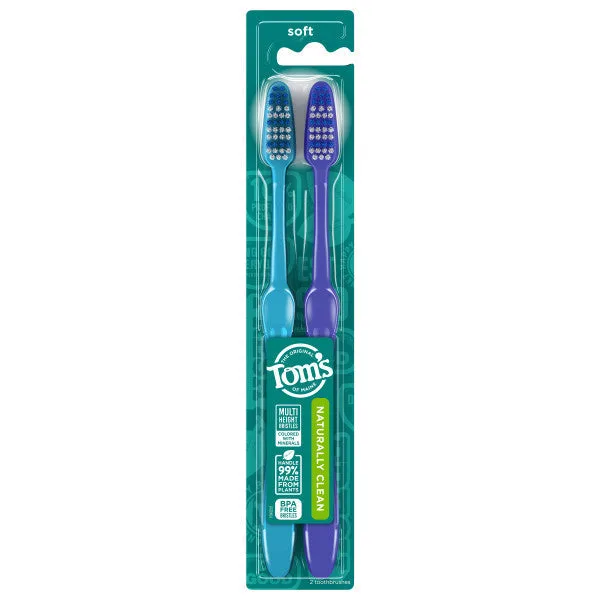
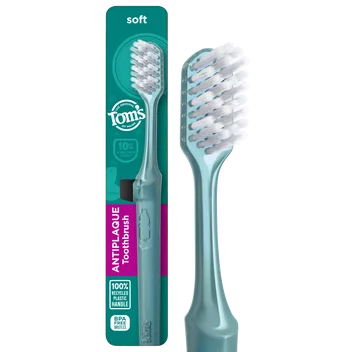
Manual brushes are the lower-cost, lower-maintenance option. You replace them every three months, and there's nothing to charge. Our Naturally Clean Soft Toothbrush (Twin Pack) is a manual option with a handle made from renewable castor oil plants, an angled neck, and multi-height bristles designed for effective cleaning. It's BPA-free and free of artificial colors, which matters if your child chews or mouths the handle.
Electric brushes cost more up front and keep costing you in replacement heads, which typically need changing every three months just like a manual brush. If you're comparing total cost over a year for two children, manual is usually the cheaper path. The trade-off is that you give up the timer and the automatic motion that keep some kids on track.
Building a Kids Brushing Routine That Sticks
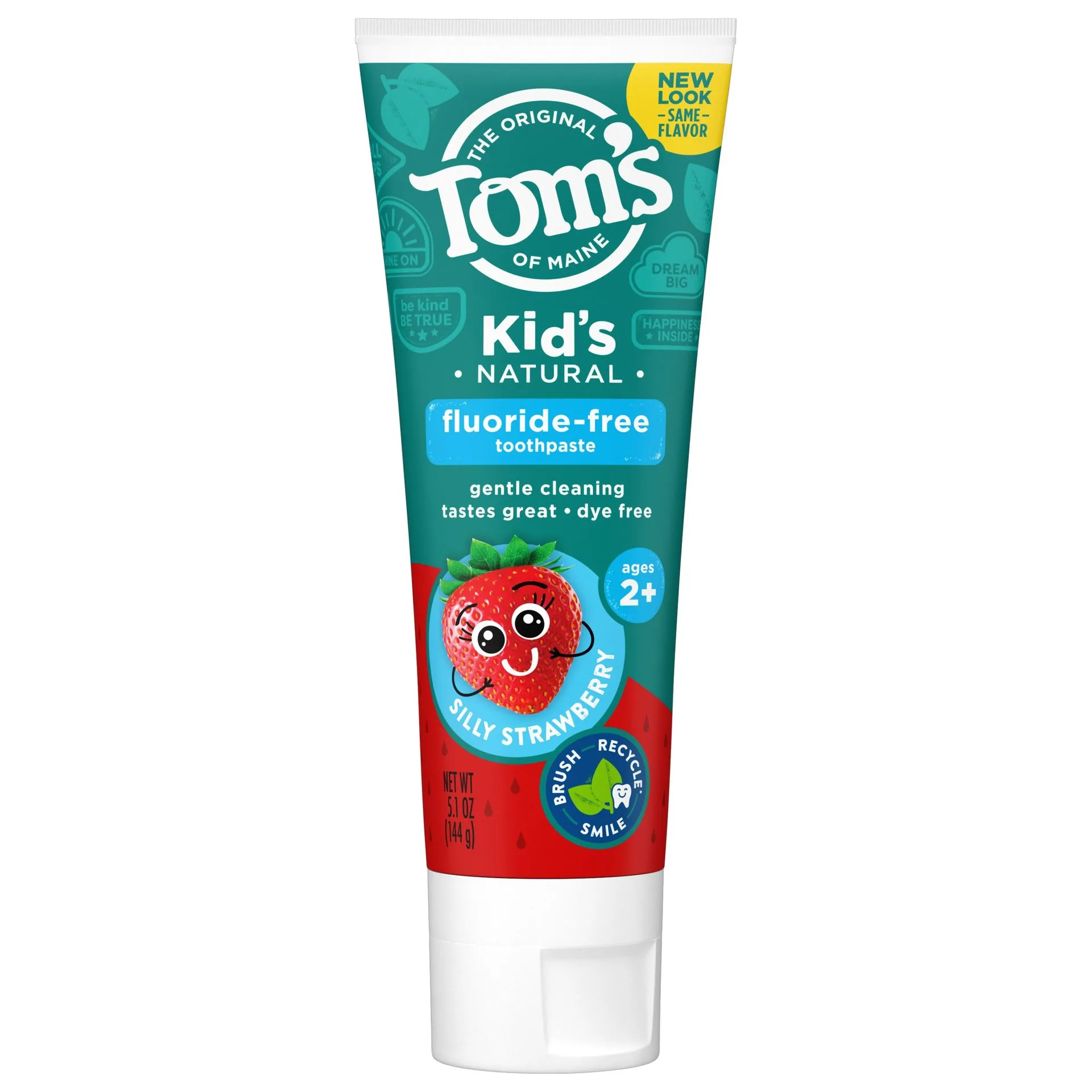
Whichever brush you choose, the routine matters more than the tool. Brush twice a day for two minutes, and let your child pick a flavor they actually like so brushing doesn't become a negotiation. A kids toothpaste with a flavor they enjoy, like a strawberry one, removes one common objection before it starts.
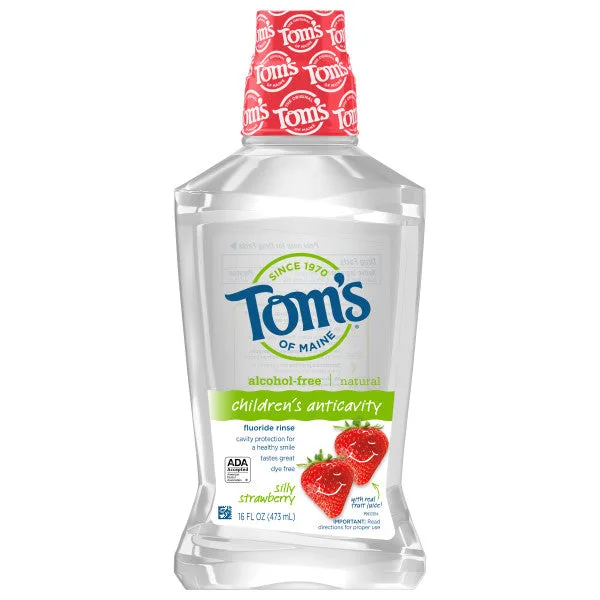
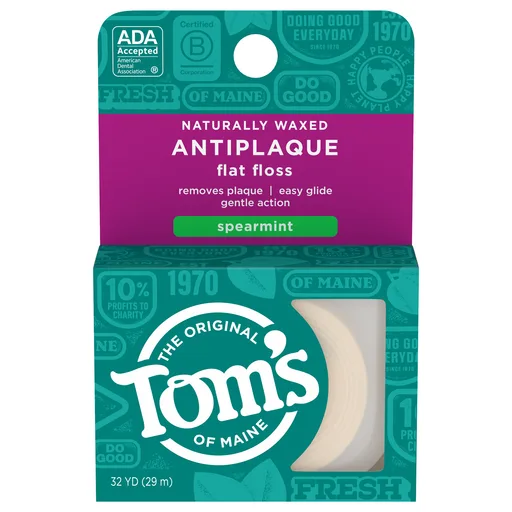
For kids who fight the toothbrush, add a rinse or floss to the routine so the whole session feels like a sequence rather than a single chore. Flossing once a day reaches the spaces a brush can't, and a kid-friendly rinse can make the finish feel like a reward rather than a stop signal.
The Real Trade-Offs
- Manual: skill and cost vs. technique: Manual brushes cost less, need no charging, and teach your child pressure control. The trade-off is that cleaning quality depends on their hand, so an adult often has to finish the job until around age 6 to 8. Choose manual if you're willing to brush alongside your child.
- Electric: consistency vs. maintenance: An electric brush keeps bristles moving even when your child rushes, which helps kids who lose interest fast. The trade-off is a higher up-front price, replacement heads every three months, and charging to manage. Choose electric if your child rushes or has hand fatigue.
- Bristles: softness matters more than the motor: For kids, soft bristles and a head that fits a small mouth matter more than whether the brush moves on its own. Hard bristles and an oversized head cause more irritation than they fix. Check the head size against your child's mouth before buying either type.
- The routine is the deciding factor: Two minutes, twice a day, with a flavor your child likes, does more for cavity prevention than the brush type alone. Add floss once a day and a rinse if your child is old enough to spit. Pick the brush your child will actually use for two full minutes.
Products That Fit This Comparison
- Naturally Clean Soft Toothbrush (Twin Pack): Naturally Clean Soft Toothbrush (Twin Pack) has a handle made from renewable castor oil plants, an angled neck, and mineral-colored multi-height bristles designed for effective cleaning; it is BPA-free and free of artificial colors. The twin pack covers two kids or two bathrooms, and the recyclable handle plus BPA-free build suits families who want a lower-waste manual option.
- Silly Strawberry Kids Fluoride-Free Natural Toothpaste – Tom's of Maine: Silly Strawberry Kids Fluoride-Free Natural Toothpaste is a fluoride-free formula with a strawberry flavor, part of the All Kids category and listed among Best Sellers. A flavor kids ask for reduces brushing resistance, and the fluoride-free formula is a fit for families who prefer that choice for young children.
- Silly Strawberry Children's Anticavity Mouth Rinse: Silly Strawberry Children's Anticavity Mouth Rinse is a natural mouthwash for kids that helps protect against cavities with a strawberry flavor and naturally derived ingredients. Adds a cavity-protection step after brushing for kids who are old enough to rinse and spit without swallowing.
- Antiplaque Spearmint Floss: Antiplaque Spearmint Floss is a natural waxed floss that helps remove plaque and food particles between teeth with a spearmint flavor. Covers the surfaces a toothbrush misses, manual or electric, once your child is ready to floss.
Which Should You Pick?
Best for
- Children under 6 who still need an adult to brush for them
- Families who want the lowest cost and no charging or replacement heads
- Kids learning pressure control and brushing independence
Not for
- Kids who consistently rush or stop brushing after 20 seconds
- Children with hand fatigue or limited dexterity who brush longer with a moving head
- Parents who want a built-in timer to enforce two minutes