Quick Answer
If your massage pad has a minor issue like a loose wire or a worn carry bag, a repair or accessory replacement is cost-effective. However, if the pad's internal components are damaged or the therapy output is inconsistent, replacement is safer and more reliable. Always prioritize your horse's comfort and the pad's functionality.
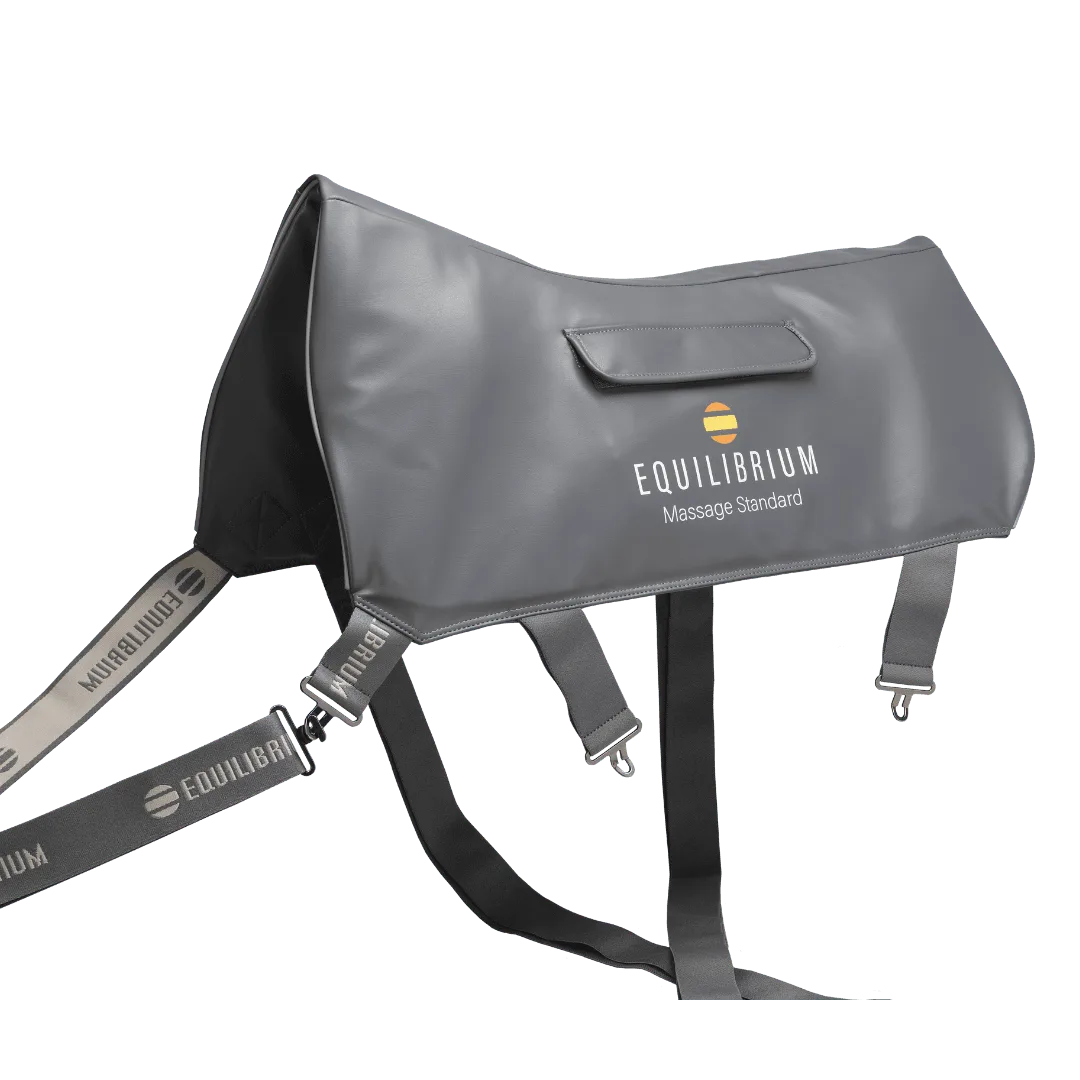
massage pad
Equine massage pads are a fantastic investment for your horse's muscle recovery and overall well-being. But like any piece of equipment, they can experience wear and tear. When your massage pad starts acting up, it's natural to wonder: should I repair it or replace it? Understanding the difference can save you money and ensure your horse gets the best therapy.
In this guide, we'll walk you through common issues, how to diagnose them, and when it's time to call it quits. We'll also highlight some essential accessories that can extend the life of your pad.
Common Massage Pad Issues and Their Causes
Massage pads can develop a range of problems, from simple surface wear to internal electrical faults. The most common issues include frayed wires, malfunctioning controls, or a battery that no longer holds a charge. Sometimes, the problem isn't with the pad itself but with the accessories, like a damaged carry bag or a faulty charger.
Environmental factors also play a role. Exposure to moisture, extreme temperatures, or rough handling can damage the pad's components. Regular maintenance, such as keeping the pad clean and storing it properly, can prevent many issues. But when problems do arise, a systematic approach to diagnosis is essential.
- Always unplug and turn off the pad before inspecting.
- Check for visible damage like cuts, frayed wires, or loose connections.
- Keep a log of any performance issues to help with troubleshooting.
Step-by-Step Diagnosis: Symptom to Solution
The first step is to identify the symptom. Is the pad not turning on? Is it heating unevenly? Or is the vibration weaker than usual? Each symptom points to a different cause. For example, a pad that doesn't turn on might have a dead battery, a faulty charger, or a broken connection.
Once you've identified the symptom, you can trace it to a likely cause. Check the simplest explanations first: is the battery charged? Is the charger working? Are all cables securely connected? Often, the issue is as simple as a loose wire or a depleted battery, which can be resolved with a replacement part.
When to Repair: Cost-Effective Fixes
Minor issues are often worth repairing. For instance, if the battery isn't holding a charge, a new charger or battery might solve the problem. Similarly, if the carry bag is torn or worn, replacing it is a simple and affordable fix that protects your pad and extends its life.
Repairs are also viable if the pad is still under warranty or if the cost of repair is significantly lower than a replacement. Always consult the manufacturer's guidelines or a professional technician for complex issues. But for simple accessory replacements, you can often handle it yourself.
When to Replace: Signs It's Time for a New Pad
There are clear signs that replacement is the better option. If the pad's internal components are damaged beyond repair, such as a broken circuit board or a compromised heating element, it's time for a new pad. Also, if the pad is old and has been repaired multiple times, replacement is more cost-effective in the long run.
Safety is paramount. If the pad shows signs of electrical faults, like sparking or overheating, discontinue use immediately and replace it. Similarly, if the therapy output is inconsistent despite troubleshooting, it's safer to invest in a new pad to ensure your horse receives effective treatment.
- Visible cracks or exposed wires are red flags.
- If the pad no longer heats or vibrates evenly, replace it.
- Consider the pad's age and repair history.
Diagnosis Guide: Symptom, Cause, Action, and When to Stop
- Symptom: Pad does not turn on: Check the battery charge and charger connection. Try a different outlet or charger if available. If a new charger or battery doesn't fix it, the internal wiring may be damaged.
- Symptom: Uneven heating or vibration: Inspect the pad for visible damage or loose connections. Test different settings to isolate the issue. If the problem persists, internal components may be failing, and replacement is recommended.
- Symptom: Physical damage to the pad or accessories: Check for cuts, tears, or frayed wires. If only the carry bag is damaged, replace it. If the pad itself is compromised, stop using it. Replace accessories like the carry bag; replace the pad if the damage is structural.
Essential Accessories for Your Massage Pad
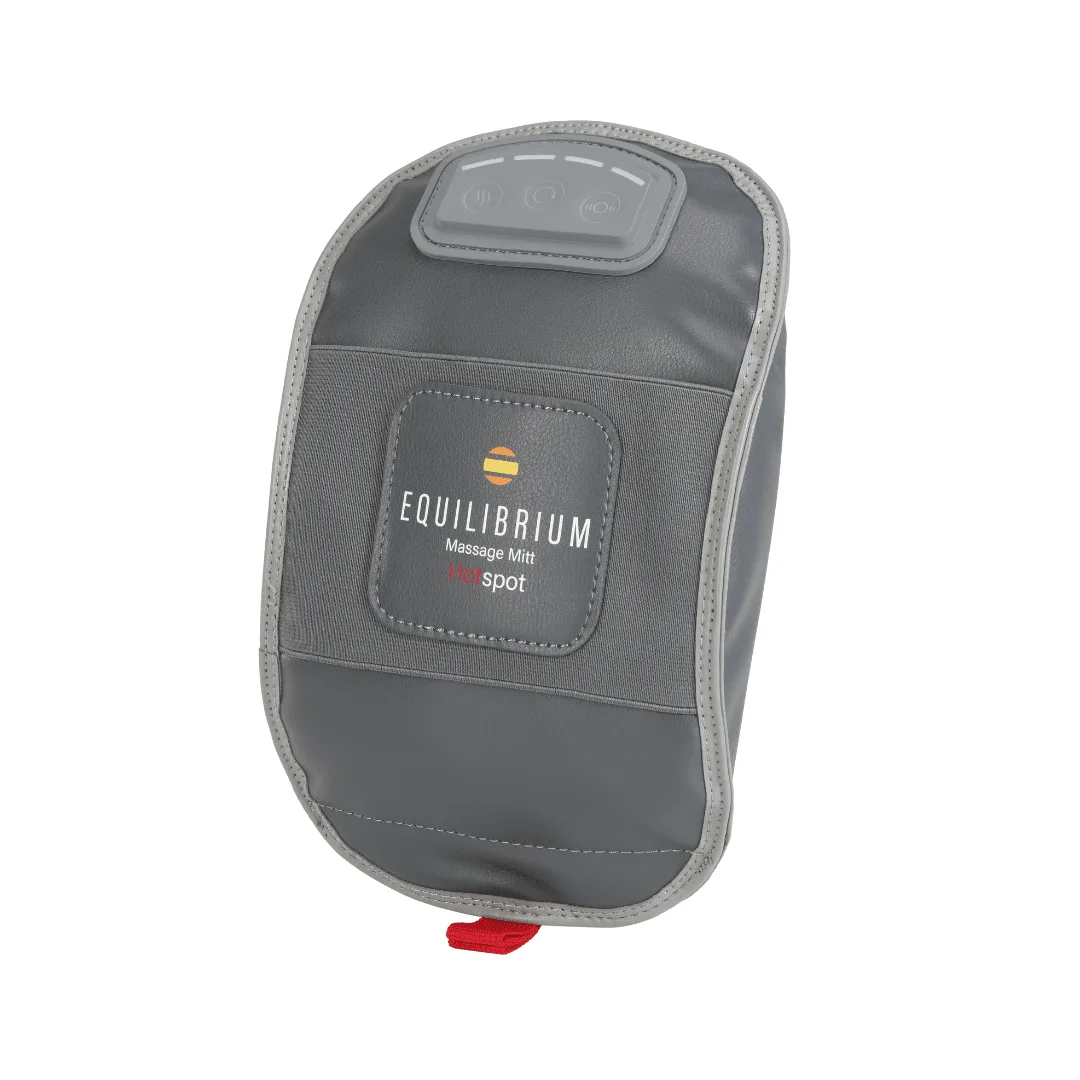
- Spare Carry Bag for Equilibrium Massage Pad: Keep your Massage Pad safe and sound with our spare Massage Pad Bag. A replacement carry bag for the Equilibrium Massage Pad. Ideal for storing your Massage products when not in use, or for keeping equipment safe when traveling or competing. A damaged carry bag can expose your pad to dust, moisture, and impact. Replacing it ensures your pad stays clean and dry, extending its lifespan.
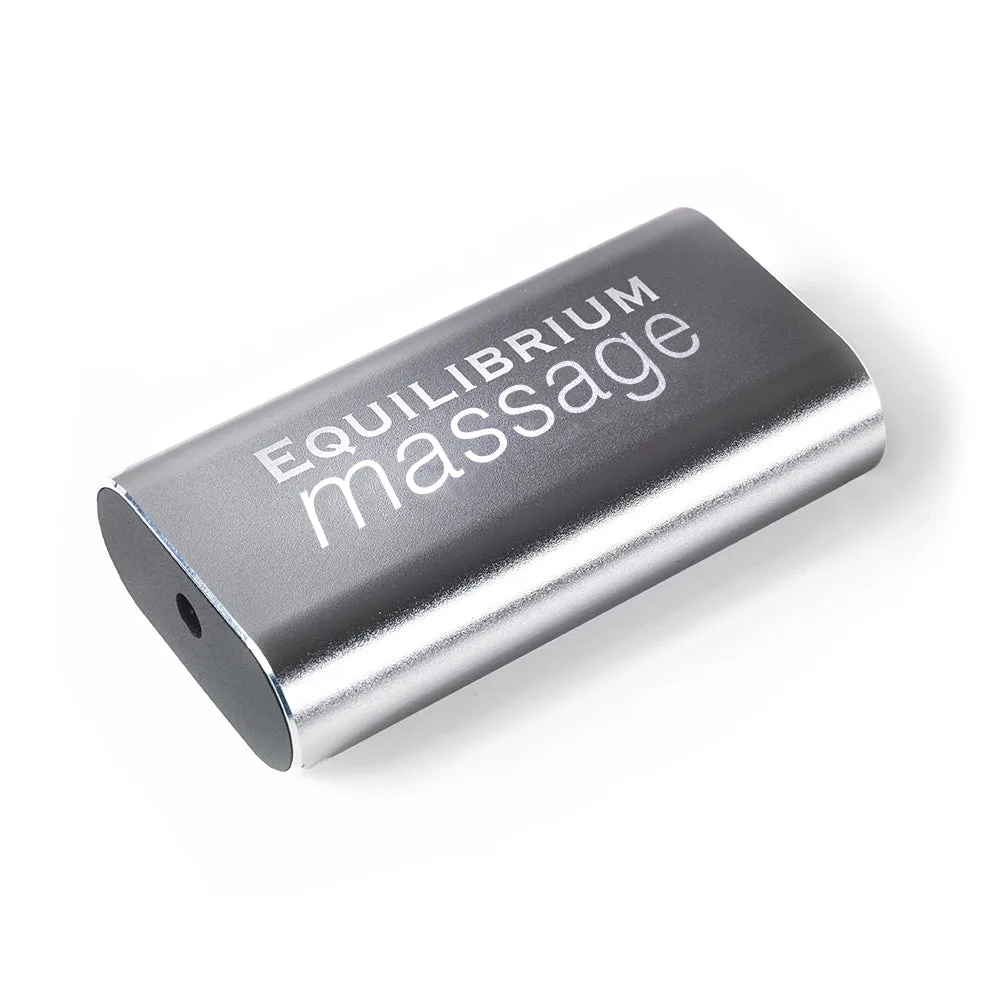
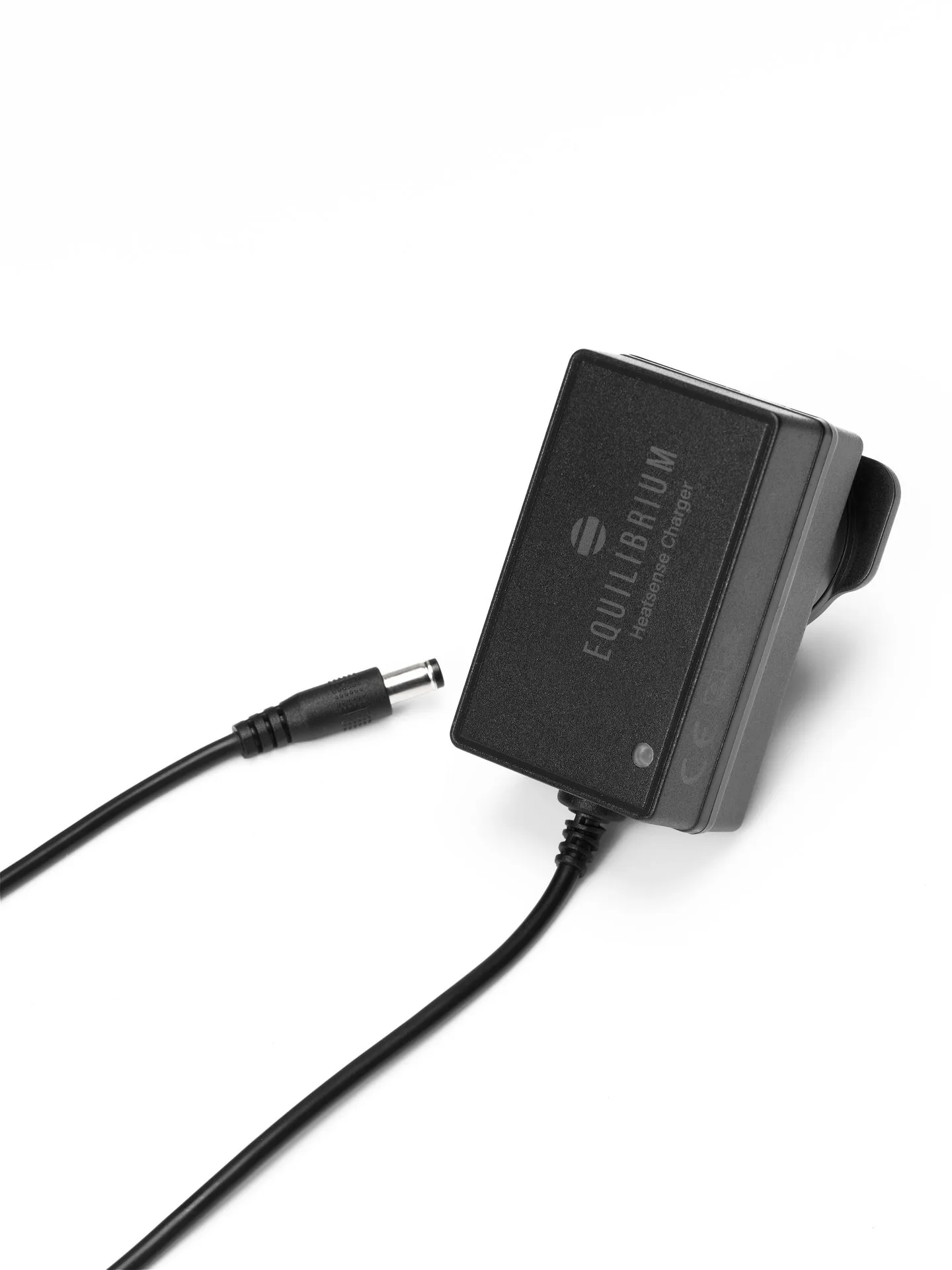
- Massage International Charger: Power up with the Equilibrium International Charger, suitable for powering the battery for the Equilibrium Massage Pad, Massage Mitt and Massage Mitt Hotspot. High performance charger designed so you can use your battery more and charge less! If your pad isn't turning on, a faulty charger might be the culprit. Upgrading to a high-performance charger ensures efficient charging and can extend battery life.
Regular maintenance and timely repairs can significantly extend the life of your massage pad. For simple fixes like a worn carry bag or a faulty charger, consider the Spare Carry Bag for Equilibrium Massage Pad or the Massage International Charger to keep your equipment in top shape. When in doubt, prioritize safety and replace the pad if it shows signs of serious damage.