Quick Answer
Misdirection is the art of controlling where your audience looks and thinks. To master it, focus on natural gestures, timing, and verbal cues. Practice with simple tricks like a card control or transposition to build your skills.
Misdirection is the invisible engine behind every great magic trick. Without it, even the most skillful sleight of hand is easily caught. In this guide, you'll learn practical misdirection techniques that you can apply immediately to your card magic.
Whether you're a beginner or have been performing for years, understanding how to guide your audience's attention is a core magic performance skill. We'll break down the principles, offer actionable steps, and point out common mistakes to avoid.
Understanding Misdirection
Misdirection isn't about forcing your audience to look away; it's about making them want to look where you need them to. It works by exploiting natural human attention patterns—people follow movement, eye contact, and sound. By mastering these cues, you can secretly execute moves while your spectators are focused elsewhere.
moves
There are two main types: overt misdirection, where you actively direct attention (like asking a question), and covert misdirection, which uses subtle psychological cues (like a glance or a slight body shift). Both are essential for a well-rounded performance.
- Remember: The best misdirection feels completely natural to your audience.
Essential Misdirection Techniques
One of the most powerful techniques is the 'verbal distraction.' By speaking to your spectator—asking their name or commenting on their watch—you shift their cognitive load, making them less likely to scrutinize your hands. Pair this with a natural gesture, like pointing with your non-performing hand, to draw their eyes away from the secret move.
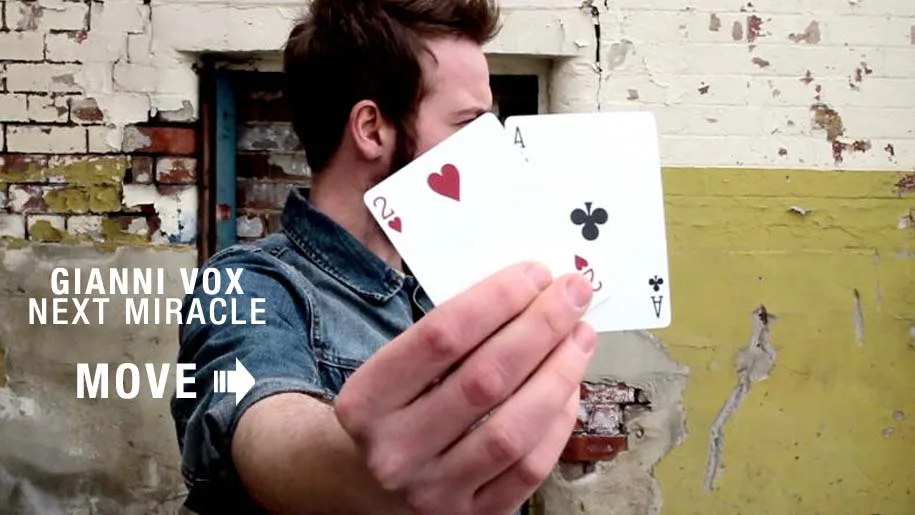
move
Another key is 'rhythm and timing.' Humans naturally look at the point of most activity. If you slow down your secret move and speed up your 'show' moment, you create a contrast that keeps attention where you want it. Practice your routines with a metronome or music to internalize this pacing.
- Tip: Try performing a simple card control while maintaining eye contact and speaking clearly. This forces your audience to divide their attention, making the move invisible.
Common Misdirection Mistakes
A common mistake is overacting. If you suddenly become overly expressive or your voice changes pitch, you'll arouse suspicion. The key is to be consistent—your gestures should match your normal conversational style.
Another pitfall is looking at the secret move yourself. Your eyes are powerful tools; if you glance at your hands during a sleight, your audience will follow. Train yourself to look at your spectator's eyes or at the 'magic' location (the spot where the effect will happen).
- Checkpoint: Record yourself performing and watch your eye movements. Are you inadvertently giving away the secret?
Step-by-Step Misdirection Practice
- Start with a simple effect: Choose a trick that requires a single secret move, like a card control. Practice the move until you can do it without thinking. Checkpoint: If you can't do the move without looking, you're not ready to add misdirection.
- Add a natural verbal cue: While performing the secret move, ask a question or make a comment that requires your spectator to respond. For example, 'What's your favorite card?' Checkpoint: Ensure your voice sounds normal—not rushed or overly dramatic.
- Use eye contact and gestures: Look directly at your spectator when you speak, and use your free hand to gesture away from the secret move. This draws their attention. Checkpoint: Practice in the mirror to see where your eyes go during the move.
- Vary your rhythm: Perform the secret move slightly slower than the rest of your actions. The contrast makes it less noticeable. Checkpoint: Use a metronome to practice keeping a consistent pace except for the crucial moment.
- Put it together in a full routine: Combine all elements into a short routine. Practice until the misdirection feels effortless and natural. Checkpoint: Perform for a friend and ask for honest feedback about where their attention went.
Tools to Practice Misdirection
- Quantum: A 'Quantum' is the smallest amount of something that can exist by itself. It's no wonder then, that Justin Miller calls this tiny, effortless movement containing both a Transposition and a Sandwich effect his 'Quantum'. This trick is perfect for practicing misdirection because its small, effortless movement requires you to master the art of directing attention away from your hands.
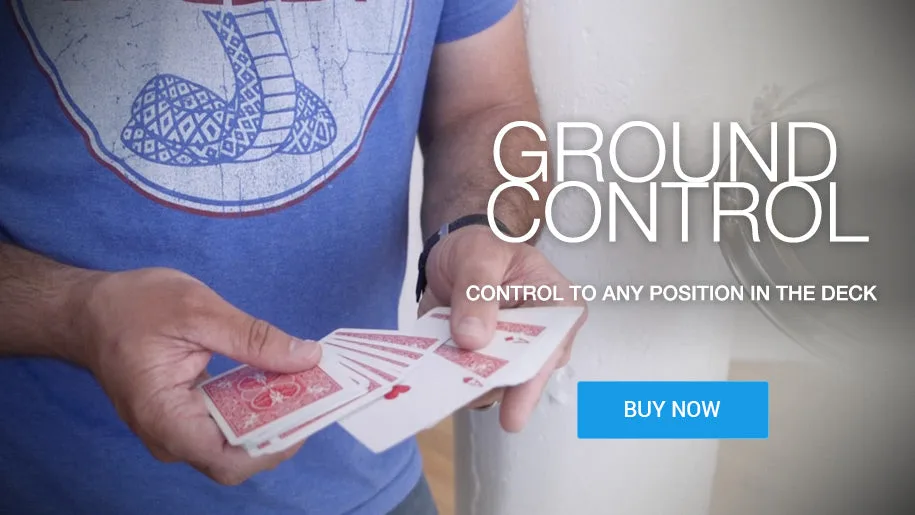
- Ground Control: Cody Nottingham commences countdown with this compact, but versatile move. Ground Control has incredibly fluid mechanics which make it a dream to perform. It's anything but awkward and allows you to control a selection to ANY position in the deck. When learning a card control like this, misdirection is essential to hide the move. Its fluid mechanics let you focus on your presentation rather than struggling with the technique.
Mastering misdirection takes practice, but it's the skill that transforms a simple trick into a miracle. Start with these techniques, apply them to your favorite effects, and watch your audience's reactions change. Remember, the secret isn't in the move—it's in where you lead their eyes.