Quick answer
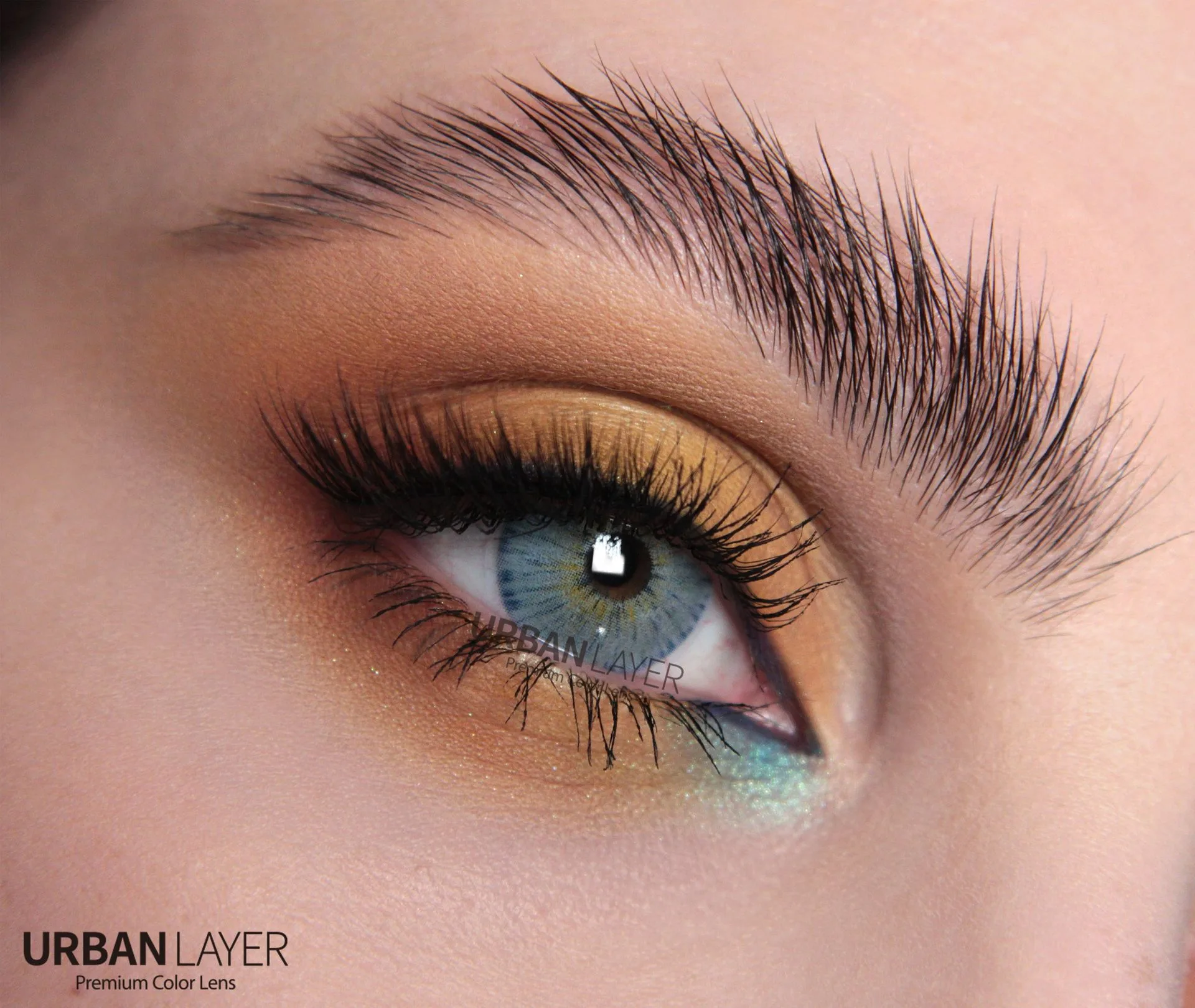
Choose a designer lens color that either enhances your natural eye color or creates a bold contrast—blue lenses pop on brown eyes, while gray lenses blend seamlessly with blue eyes.
Why eye color matters
Your natural eye color affects how a colored lens appears. Lighter eyes let more of the lens color show through, while darker eyes may mute or alter the shade. Understanding this helps you pick a lens that looks intentional, not washed out.
For brown eyes, opaque lenses with higher pigmentation are more effective at changing the look. For blue or green eyes, semi-transparent or lighter shades can enhance the natural tone without looking artificial.
Trade-offs: bold contrast vs. natural blend
A bold contrast—like blue lenses on brown eyes—creates a striking, noticeable change. However, it can look less natural if the lens color is too saturated or the pupil hole is small, which might affect vision.
A natural blend—like gray lenses on blue eyes—adds depth and subtle variation. It's safer for everyday wear but may not give the dramatic transformation some people want.
Frequently asked questions
Can I wear blue designer lenses if I have brown eyes?
Yes, blue lenses like New York N Blue or Gogh N Blue will show up well on brown eyes because they are opaque. Expect a vivid, noticeable change. However, the smaller pupil hole may limit vision, so avoid wearing them while driving or in low light. Test them in bright light to ensure you're comfortable with the vision obstruction.
What gray designer lenses work best for blue eyes?
Gray lenses on blue eyes create a subtle, smoky effect that enhances your natural color. Look for lenses with a similar base curve and diameter to your eye shape. Since blue eyes are light, the gray will appear more translucent, so choose a lens with enough pigmentation if you want a clear change. Check the water content—40% is typical—and ensure the lens fits comfortably.
How do I choose between a lighter and darker shade?
If you want a natural enhancement, pick a shade close to your eye color. For a dramatic transformation, go for a contrasting color. Remember that darker lenses on light eyes can look intense, while lighter lenses on dark eyes may not show up as well. Consider your skin tone and hair color to ensure the lens complements your overall look.
Designer lenses to consider
-
Gogh N Blue: Gogh N Blue has a 14.2mm diameter, 8.7mm base curve, and 40% water content, with a smaller pupil hole that can obstruct vision. The smaller pupil opening means this lens is better for occasional wear or short periods, not for driving or long hours.
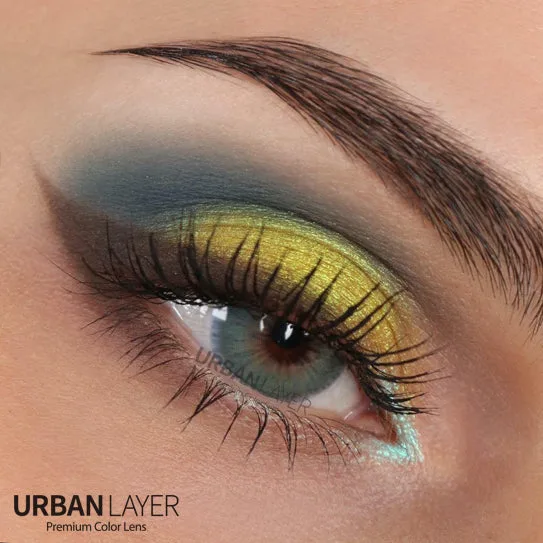
Gogh N Blue
-
New York N Blue: New York N Blue offers a 14.2mm diameter, 8.7mm base curve, and 40% water content, also with a smaller pupil hole. Ideal for a bold blue look on brown eyes, but be aware of the reduced peripheral vision during wear.
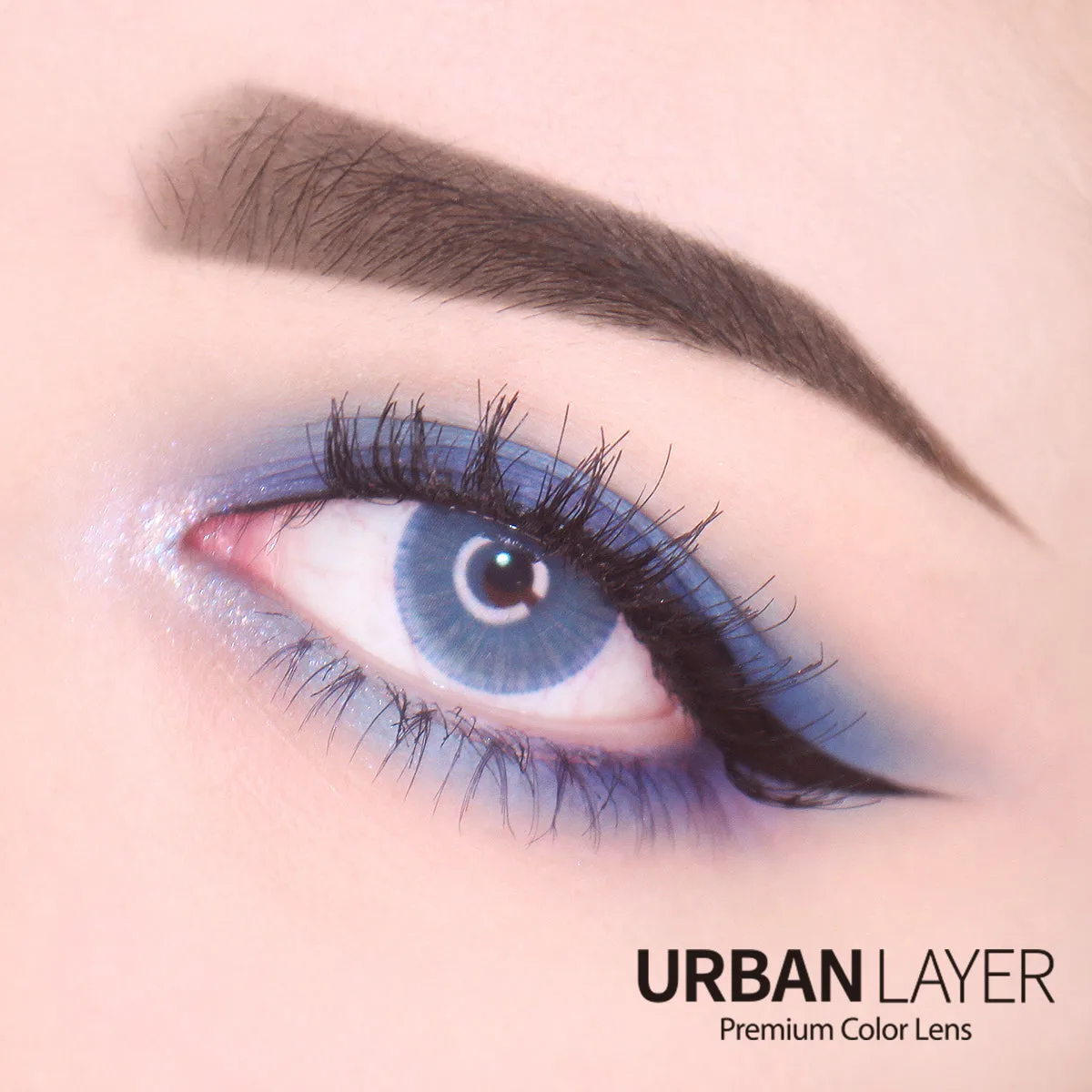
New York N Blue
-
Gogh Light Blue: Gogh Light Blue shares the same 14.2mm diameter, 8.7mm base curve, and 40% water content, with a smaller pupil hole. A lighter blue shade that may blend more naturally with lighter eye colors, but still requires caution due to the pupil size.