Quick answer
Use a matcha bowl when you want to whisk matcha into a smooth, frothy cup. Its wide, deep shape gives the whisk room to move and lets you pour without dribbling. Use a traditional teacup when you are steeping loose leaf tea and sipping it slowly. If you drink both, keep a bowl for matcha and a cup for everything else.
What a matcha bowl is actually for
A matcha bowl is a wide, deep vessel made for whisking, not just drinking. The extra width lets a bamboo whisk move in a fast zigzag without hitting the sides, and the depth keeps the liquid from splashing over the rim. That is why the best bowl for matcha is usually wider than a teacup and slightly heavier at the base. A traditional teacup is shaped for steeping and sipping: narrower, often with a handle, and designed to hold a tea bag or infuser. You can drink matcha from a teacup, but whisking in one is cramped and messy. For a closer look at how to whisk matcha, the bowl does most of the work before the whisk even touches the water.
How size and shape change the cup
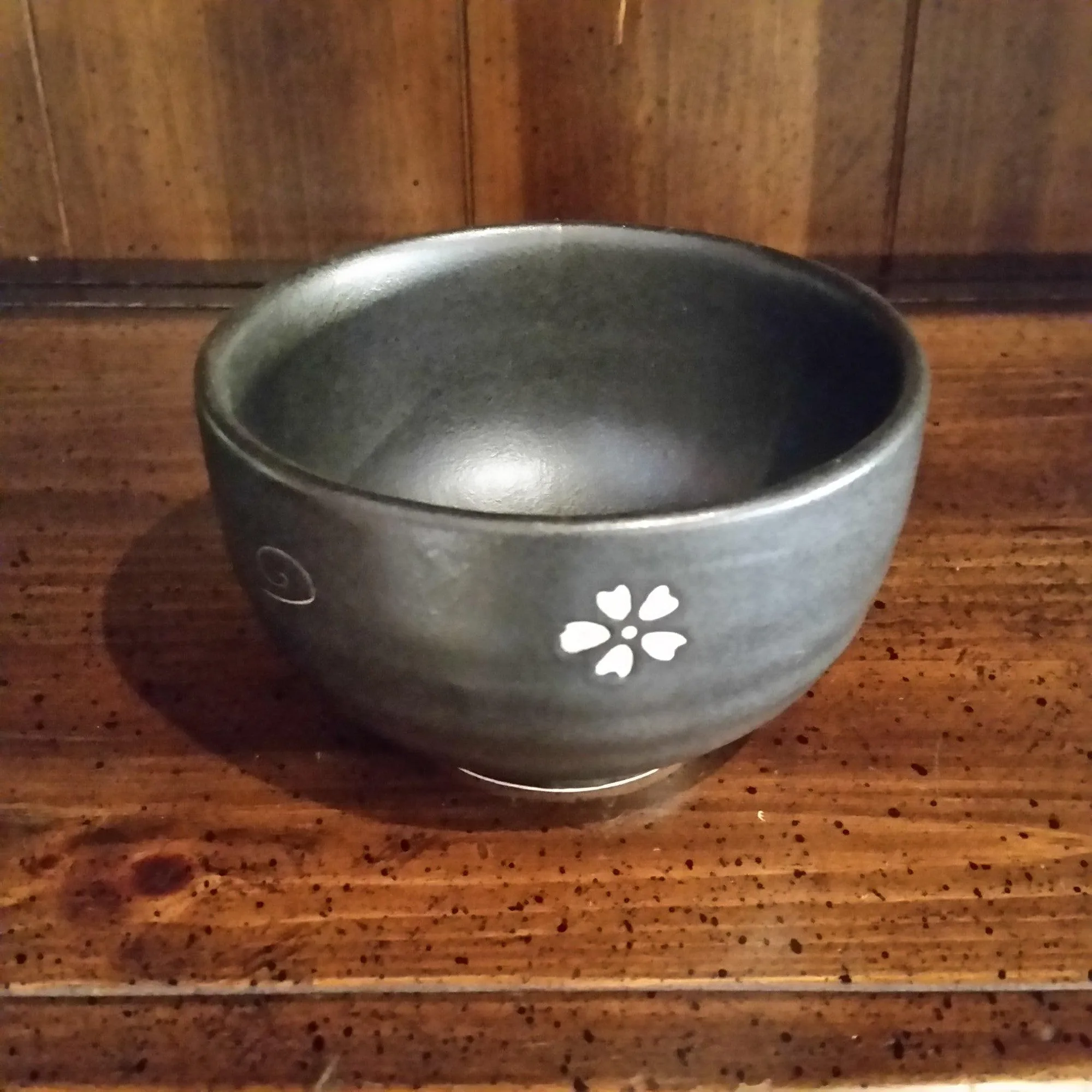
Matcha bowl size matters more than most people expect. A bowl that is too small forces the whisk into a tight circle, which leaves dry clumps. A bowl that is too wide makes it hard to build a concentrated froth. The Matcha Bowl - Black from The Tea & Spice Shoppe is a hand-painted bowl in a rich black color, designed for matcha preparation and serving. Its dark interior makes it easy to see the bright green matcha and judge how evenly you have whisked. A traditional teacup, by contrast, is often measured in ounces for a single serving of steeped tea. If you are comparing the two, think about the job: whisking needs width and depth, steeping needs a shape that holds leaves and pours cleanly.
Heat, material, and daily handling
Both a matcha bowl and a teacup can handle hot water, but they behave differently in the hand. A bowl has no handle, so you cradle it from the base or rim. That is fine for matcha, which you drink soon after whisking, but a full bowl of very hot tea can be uncomfortable to hold. A teacup with a handle is easier for long, hot steeps. Material also matters. The supplied catalog facts do not list the exact clay or glaze composition of the Matcha Bowl - Black, so if you need a specific material for dishwasher or microwave use, treat that as a decision limitation and check the product page before buying. For loose leaf black tea, a traditional cup or a small teapot is the simpler daily choice.
Trade-offs at a glance
- Whisking room: A matcha bowl is wide and deep enough for a bamboo whisk to move freely. A traditional teacup is too narrow for efficient whisking. Choose the bowl if you drink matcha regularly.
- Handling hot liquid: A bowl has no handle, so you hold it by the rim or base. A teacup with a handle is safer and more comfortable for very hot tea. Choose the teacup for long, hot steeps.
- Everyday versatility: A teacup handles black, green, and herbal teas with a strainer or bag. A matcha bowl is specialized for whisked tea. Most tea drinkers benefit from owning one of each.
Products that fit this comparison
- Matcha Bowl - Black: Hand-painted matcha bowl in black, designed for matcha preparation and serving. The wide, deep shape gives your whisk room to move, and the dark interior helps you see the matcha color and texture as you work.
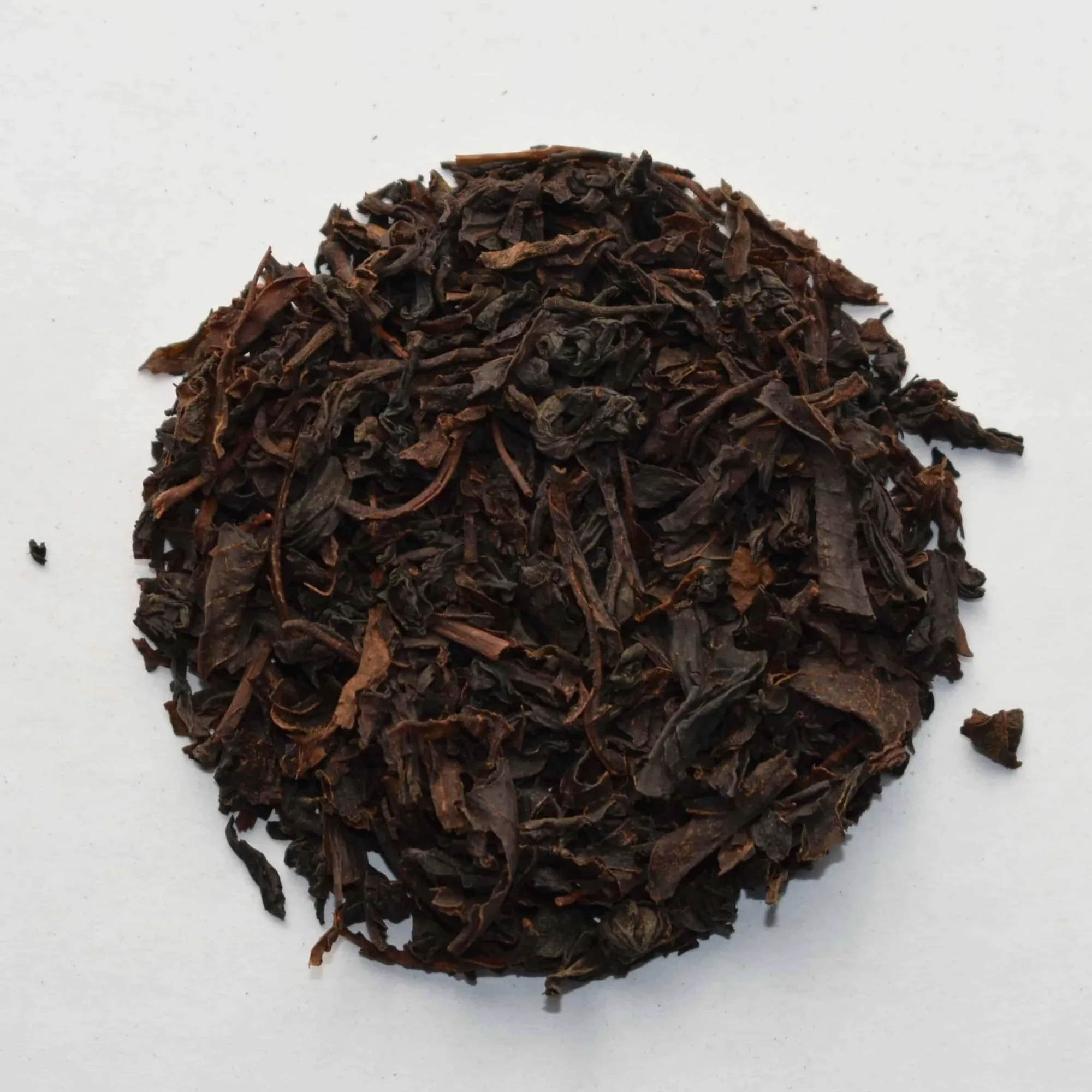
- Yorkshire Harrogate: Yorkshire Harrogate is a loose leaf black tea blend of Assam and Yunnan teas with a sharp, full-bodied cup. This is a steep-and-sip tea, so a traditional teacup or teapot is the better vessel. It is not a matcha and should not be whisked.
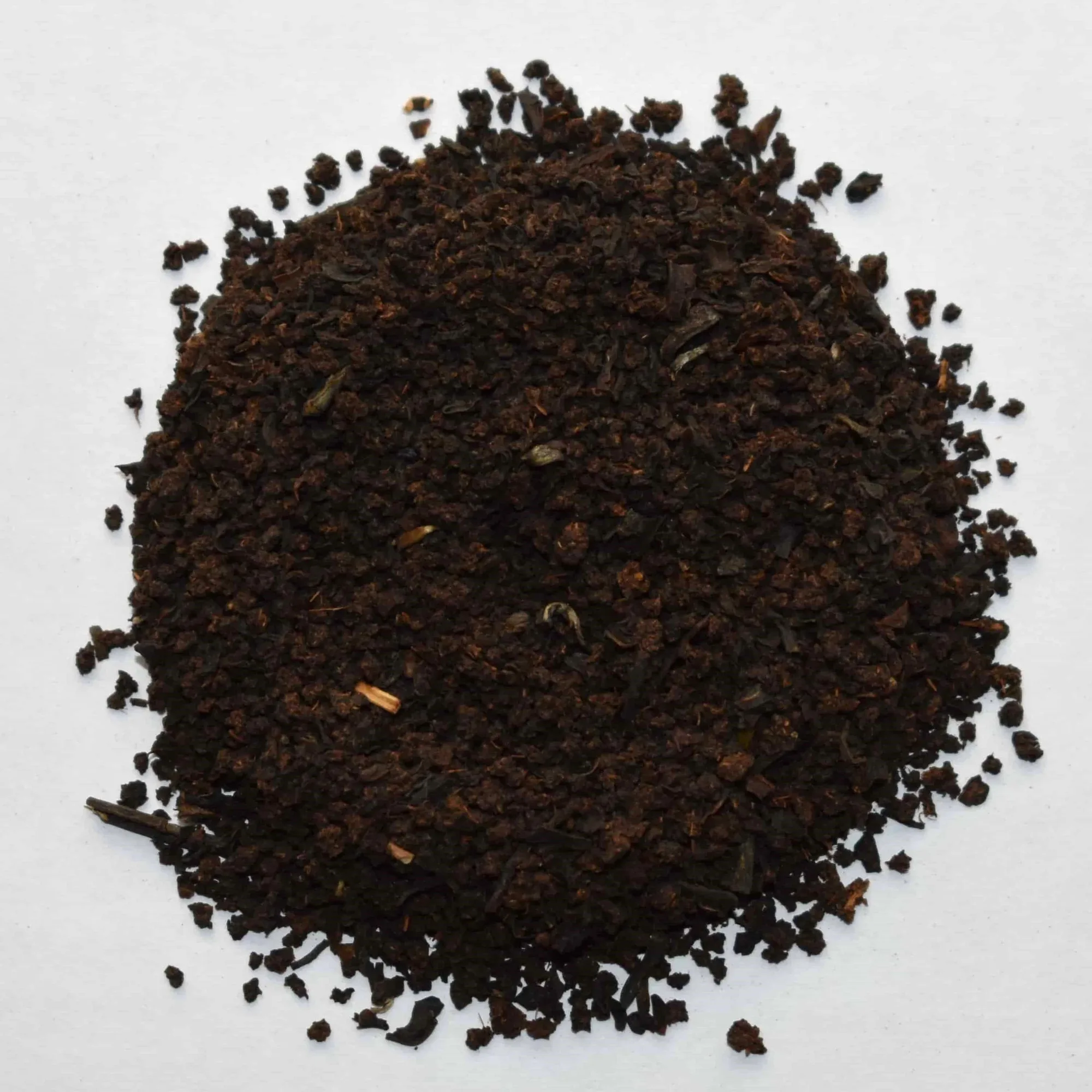
- English Breakfast, Organic: English Breakfast, Organic is a blend of Ceylon and Assam tea with a smooth, medium-bodied flavor. A medium-bodied black tea works well in a standard teacup, especially if you want a familiar morning cup rather than a whisked bowl.
Which should you choose?
Best for
- Matcha drinkers who want a smooth, frothy cup without clumps
- Anyone building a tea ritual who wants a dedicated whisking vessel
- Buyers who like a hand-painted, understated black bowl for serving
Not for
- Steeping loose leaf black tea, which is easier in a traditional teacup or teapot
- Drinkers who need a handle for very hot tea
- Anyone who wants one vessel for every type of tea