Quick Answer
If you want steady, calm energy without the jitters, an organic matcha latte is the better pick. Coffee gives a faster, stronger spike but often leads to a crash. Matcha's combination of caffeine and L-theanine supports smoother focus, making it a solid coffee alternative for many people.
How Matcha and Coffee Differ in Caffeine Delivery
Matcha and coffee both contain caffeine, but they affect your body differently. Coffee delivers a quick, intense boost that peaks within about 30 to 60 minutes. Matcha, on the other hand, releases caffeine more gradually because it is consumed as a whole-leaf powder, and the presence of L-theanine—an amino acid naturally found in green tea—promotes a calmer, more focused alertness.
For those who are sensitive to caffeine, matcha's lower caffeine content per serving can be a gentler option. A typical matcha latte made with one teaspoon of matcha powder contains roughly 30-50 mg of caffeine, while an 8-ounce cup of coffee can contain 80-100 mg. This difference matters if you are looking to reduce your caffeine intake without giving up the ritual of a warm morning drink.
Focus and Mood: The L-Theanine Advantage
L-theanine is an amino acid found almost exclusively in tea plants. In matcha, it works alongside caffeine to produce what many describe as a 'calm alertness.' This combination can help you concentrate on tasks without the anxious edge that coffee sometimes brings. Studies suggest L-theanine may improve attention and reaction time, especially when paired with caffeine.
If you have ever felt shaky, anxious, or irritable after a strong cup of coffee, matcha's smoother profile might be a better fit. The gradual release of caffeine also means you are less likely to experience the mid-afternoon crash that often follows a coffee spike. For sustained mental work, reading, or creative projects, matcha's steady energy can be a practical advantage.
Digestion and Acidity: A Gentler Choice?
Coffee is naturally acidic, which can irritate the stomach, especially for people with acid reflux or sensitive digestion. Matcha is generally less acidic, and when prepared as a latte with creamy coconut milk, it becomes even more soothing. The addition of coconut milk also provides healthy fats that can help slow caffeine absorption and provide a more sustained energy release.
If you have experienced stomach discomfort from coffee, switching to matcha may ease that issue. The smooth, creamy texture of a matcha latte can be a comforting alternative that still gives you a morning ritual. However, matcha does contain oxalates, which can be a concern for people prone to kidney stones—so it is worth considering your individual health needs.
Trade-offs at a Glance
- Energy spike vs. steady lift: Coffee gives a fast, strong boost that can feel productive but often leads to a crash. Matcha provides a slower, more even energy curve that supports sustained focus. Choose matcha for all-day steadiness; choose coffee when you need a quick jolt.
- Jitters vs. calm focus: Coffee's higher caffeine can cause anxiety and jitters in sensitive people. Matcha's L-theanine promotes relaxation without drowsiness, making it easier to concentrate. If coffee makes you shaky, matcha is the gentler path to alertness.
- Acidity vs. smoothness: Coffee's acidity can irritate the stomach. A matcha latte with coconut milk is naturally creamier and less acidic, which is easier on digestion. For sensitive stomachs, matcha latte is a comforting swap.
Product Facts: Terrasoul Superfoods Matcha Latte
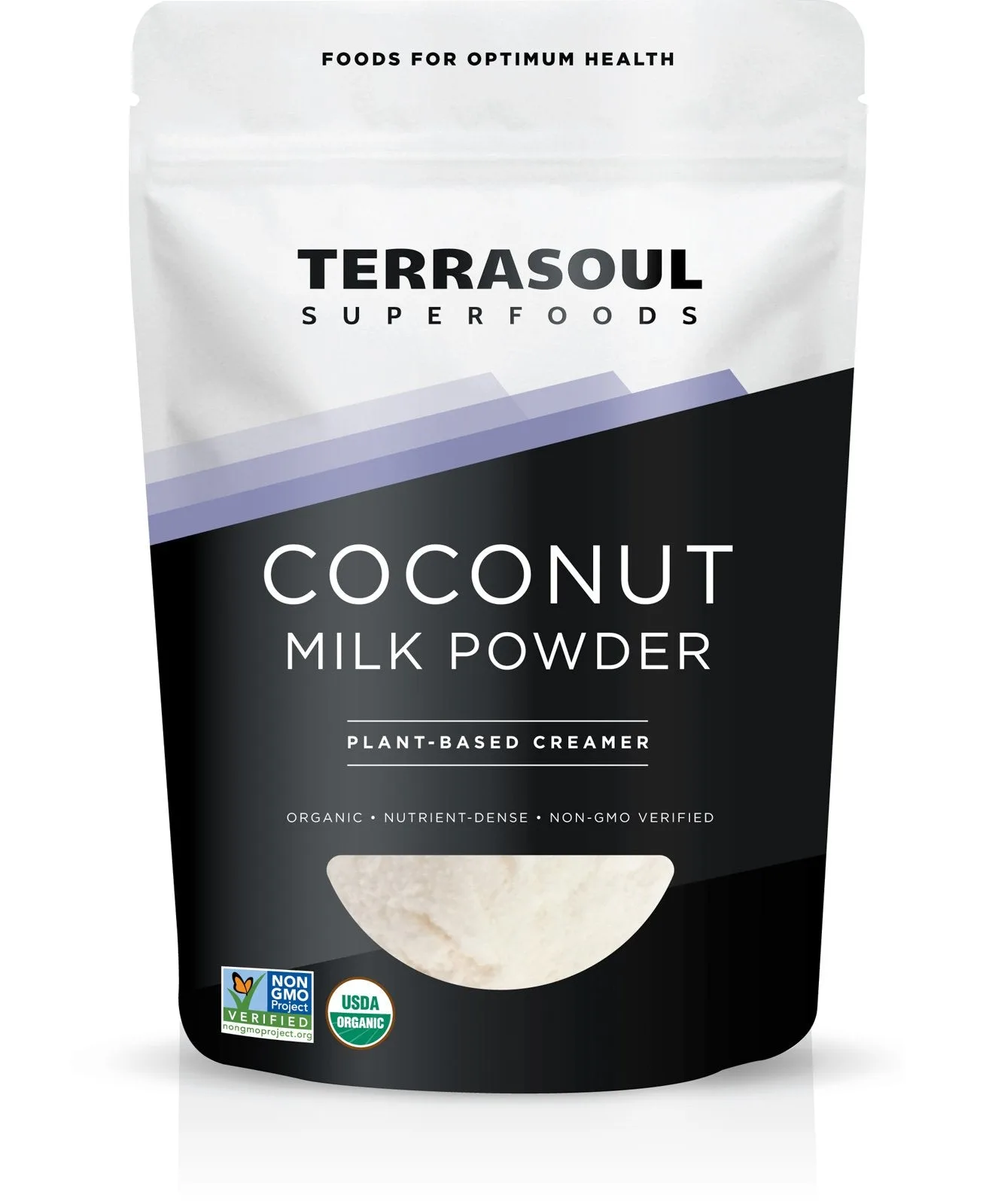
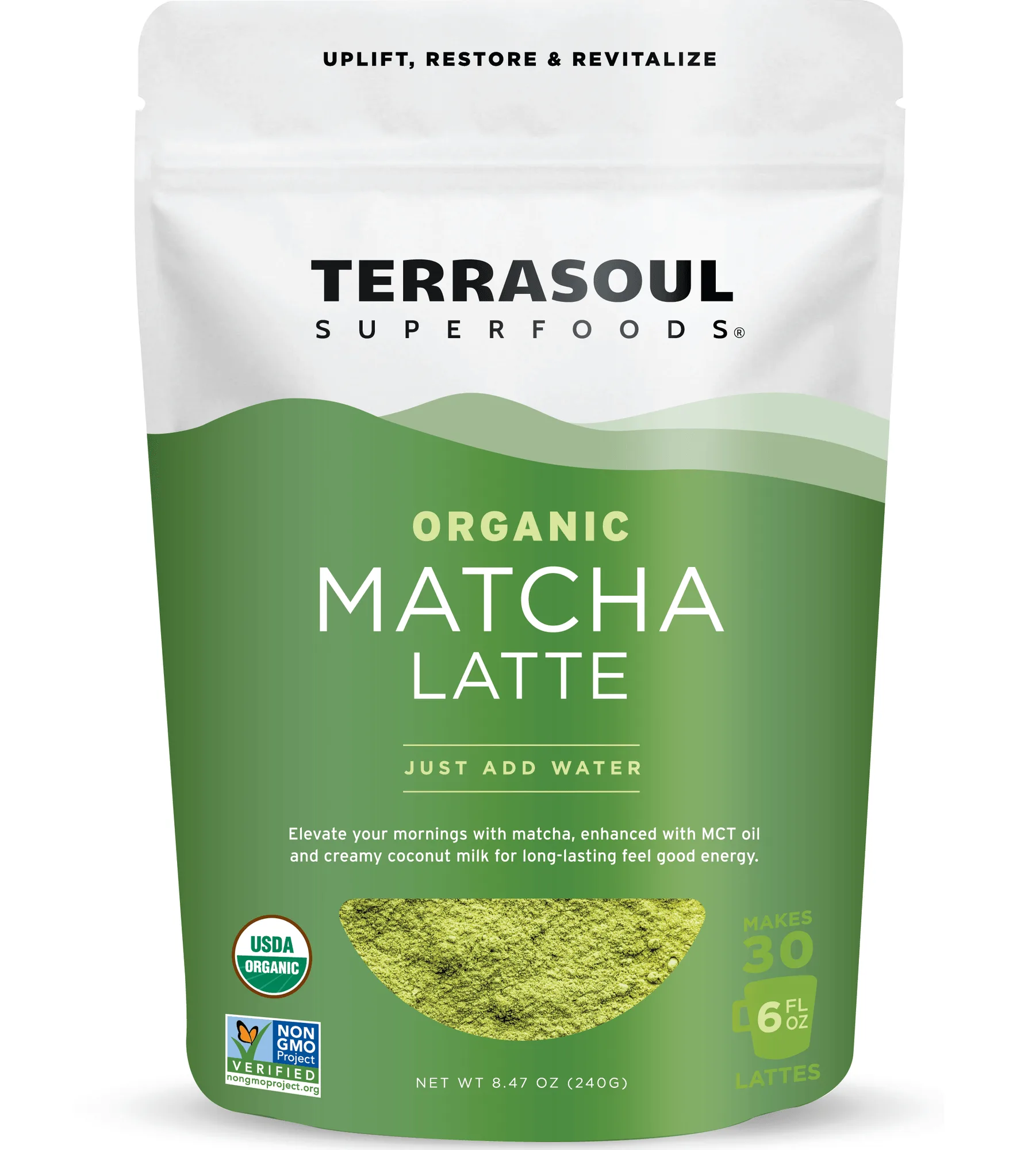
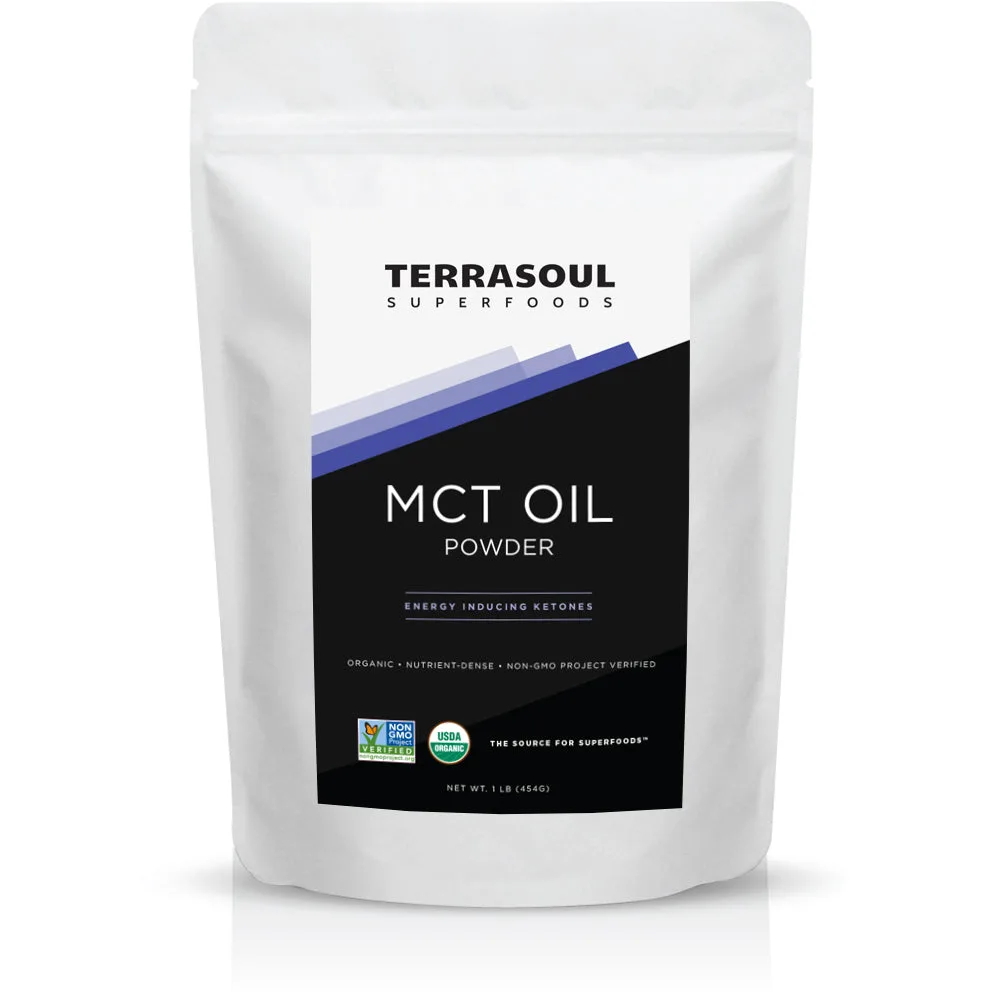
- Matcha Latte: Smooth & Creamy for Enhanced Energy: Delight in the velvety smoothness of our matcha latte blend, meticulously crafted with creamy coconut milk and the added goodness of MCT oil. Indulge in a moment of pure tranquility as you sip your way to renewed energy and vitality. Ingredients: Organic Matcha Tea, Organic Coconut Milk Powder, Organic MCT Oil Powder. The coconut milk and MCT oil in this blend provide a creamy base and healthy fats that can help sustain energy and keep you full longer, making it a practical coffee alternative for mornings when you need lasting fuel.
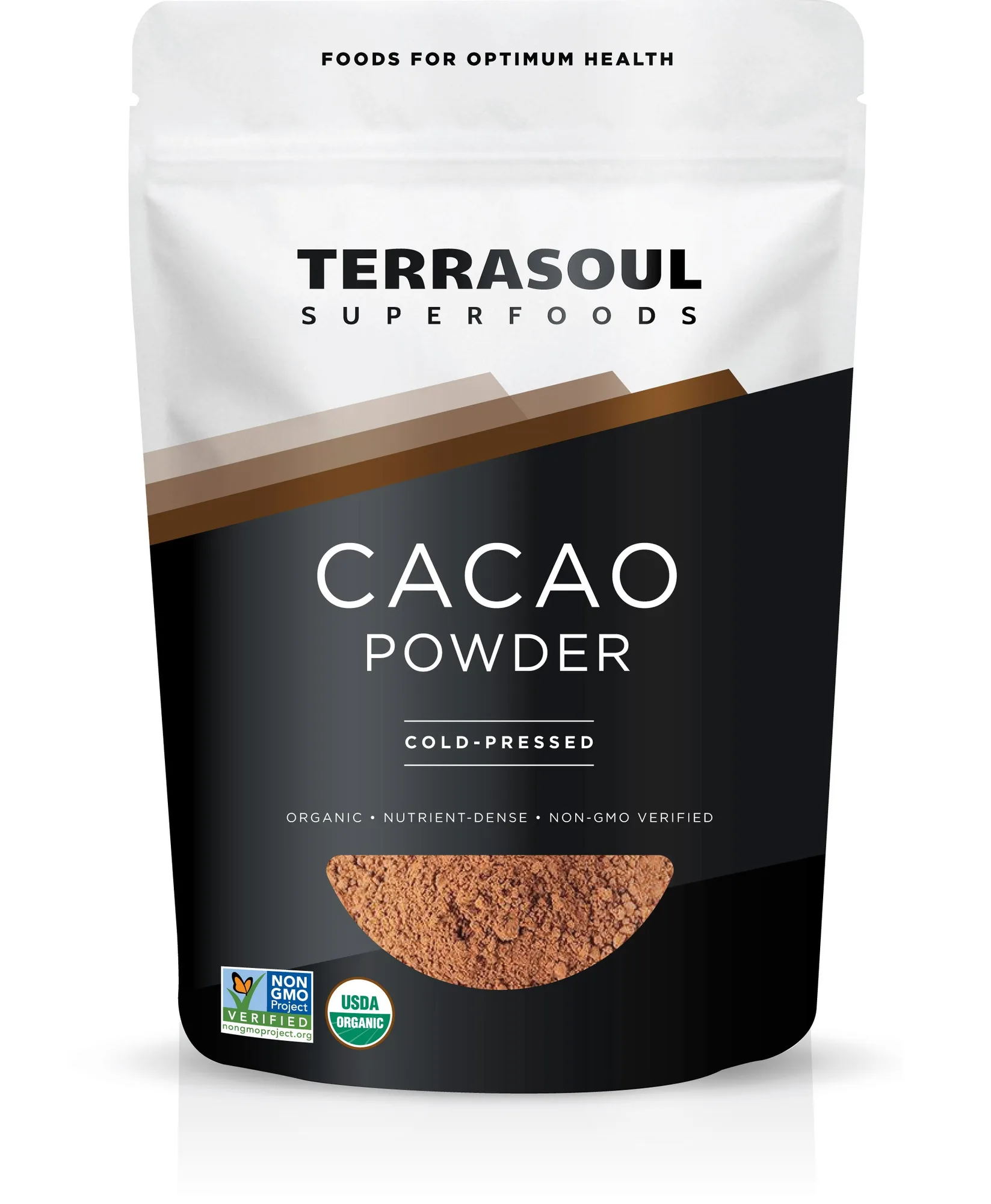
- Cacao Powder: Our raw cacao powder is certified organic, kosher, Non-GMO Project verified, fermented and naturally gluten-free. Hailed as the 'Food of the Gods', cacao contains the highest concentration of magnesium and antioxidants of any food on the planet. After cold pressing the bean and the cacao butter (fat) is removed, the leftover fruit becomes the cacao powder. If you miss the rich, robust flavor of coffee, adding a teaspoon of cacao powder to your matcha latte can give it a mocha-like depth while adding magnesium and antioxidants—without the acidity of coffee.
Which Should You Choose?
Best for
- People who want steady, calm energy for work or study without jitters
- Those who prefer a creamy, less acidic morning drink
Not for
- If you need a very strong, immediate caffeine kick to wake up, coffee might be more effective
- If you are sensitive to oxalates (kidney stone risk), consult a healthcare provider before making matcha a daily habit