Quick answer
Choose matcha if you want a bold, grassy, energizing cup that shines in lattes and baking. Choose hojicha if you prefer a roasted, nutty, lower-caffeine tea that’s soothing and great for evenings. Both are green teas, but they deliver very different experiences.
Green tea comes in many forms, but two powders often get confused: matcha and hojicha. Both are finely ground green teas, yet they taste, smell, and brew quite differently. Understanding those differences helps you pick the right one for your morning ritual or afternoon wind-down.
Matcha is shade-grown, steamed, and stone-ground into a vibrant green powder with a grassy, umami flavor. Hojicha is made from green tea leaves that are roasted at high heat, giving it a reddish-brown color and a toasty, caramel-like aroma. That single roasting step changes everything.
Taste and Aroma: Grassy vs Toasty
Matcha’s flavor is bold, vegetal, and slightly sweet, with a distinct umami note. It can taste bitter if over-brewed or low-grade, but high-quality https://davidsteaym.com/products/ceremonial-matcha-1-040aa8c3f6b2b5a2a1ad6a71-544776ceremonial matcha is smooth and mellow. The aroma is fresh and grassy, like a walk through a tea field.
Hojicha, on the other hand, is roasted, so it tastes nutty, toasty, and almost chocolatey. It has a comforting, low-acidity flavor with less bitterness than matcha. If you find matcha too grassy or intense, hojicha is often the gentler choice.
Caffeine and Energy Effects
Matcha contains caffeine because it’s made from whole green tea leaves. A typical serving gives you a calm but focused energy boost, thanks to the amino acid L-theanine. It’s a popular choice for morning focus or pre-workout.
Hojicha has less caffeine because the roasting process reduces it. This makes it a better option for late afternoon or evening sipping. You still get a mild lift, but it won’t keep you buzzing into the night.
Brewing and Usage Differences
Matcha is whisked into hot water or milk to create a frothy, vibrant drink. It also works well in smoothies, baked goods, and even savory dishes. Because it’s a powder, you consume the whole leaf, so the flavor is intense.
Hojicha can be brewed as a loose leaf tea or used as a powder. Hojicha powder dissolves easily and makes a smooth, nutty latte. It also adds a roasted depth to desserts and smoothies. The brewing temperature is lower than matcha—around 175°F (80°C)—to avoid bitterness.
Which One Should You Choose?
Your choice comes down to taste and timing. If you love a strong, grassy, energizing tea that you can drink hot or iced, matcha is your match. If you want a mellow, roasted, low-caffeine tea that’s perfect for unwinding, hojicha wins.
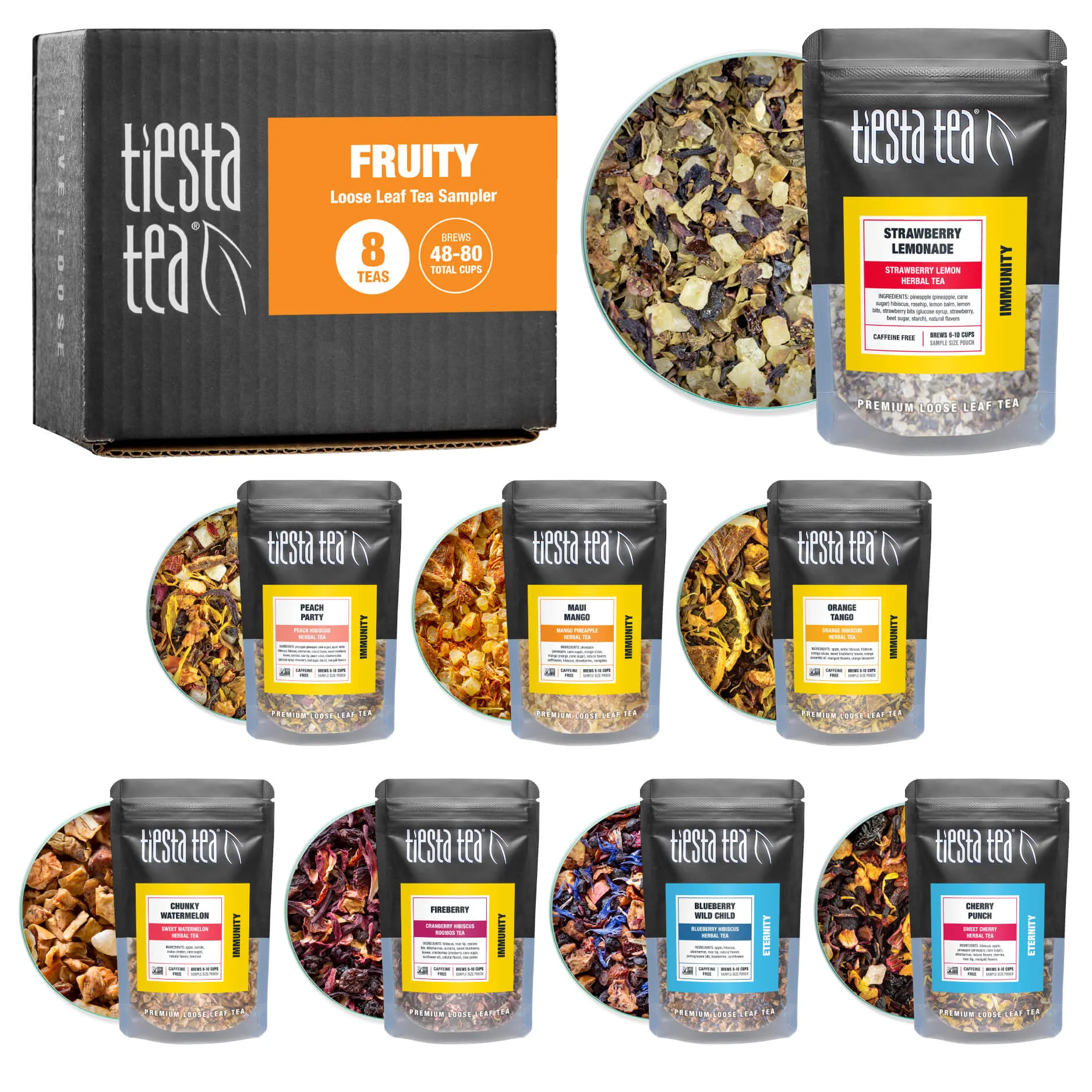
You don’t have to pick just one. Many tea lovers keep both on hand—matcha for mornings and hojicha for evenings. Trying a sampler is a great way to compare them side by side without committing to a full bag.
Matcha vs Hojicha: The Trade-Offs
- Flavor: Matcha is grassy, umami, and bold. Hojicha is roasted, nutty, and mellow. Pick matcha for a vibrant green taste, hojicha for a cozy toasted flavor.
- Caffeine: Matcha has more caffeine and gives a focused energy boost. Hojicha has less caffeine and is better for evenings. Choose matcha for mornings, hojicha for winding down.
- Versatility: Matcha shines in lattes, smoothies, and baking. Hojicha also works in lattes and desserts but has a different roasted profile. Both are versatile; matcha is more vibrant, hojicha more subtle.
Product facts to help you decide
- https://davidsteaym.com/products/organic-matcha-matsu-07b668390b340374b652ed24-543535https://davidsteaym.com/products/organic-matcha-matsu-1-a79c24897002ee2a1df90582-544673Organic Matcha Matsu: A best-selling organic green tea powder with a bold taste and aroma, described as revitalizing and indulgent. It works well as a base for lattes, milkshakes, and smoothies. If you’re leaning toward matcha, this is a versatile pick that can be enjoyed straight or mixed into your favorite drinks. Its bold flavor stands up to milk and sweeteners.
- mmmatcha 3 tea sampler: A ready-to-gift sampler with ceremonial grade matcha sourced from Japan, designed for straight drinking or as a latte, hot or iced. Not sure which matcha you like? This sampler lets you taste a few varieties before buying a full-size bag. It’s also a nice gift for a matcha lover.
- Matcha Barista Gift Bundle: Includes a Bamboo Matcha Whisk, 10 g Organic Matcha Matsu, 20 g Organic Vanilla Matcha, and a Speckled Black Matcha Bowl. If you’re new to matcha, this bundle gives you the tools and tea to start whisking at home. It’s a practical gift for someone who wants to skip the drive-thru.
Who should choose which?
Best for
- Matcha is best for those who love a strong, grassy, energizing tea and enjoy making lattes, smoothies, or baked goods.
- Hojicha is best for those who prefer a mellow, roasted, low-caffeine tea that’s soothing in the evening or after meals.
Not for
- If you dislike bitter or vegetal flavors, matcha might not be your first choice—hojicha is sweeter and toastier.
- If you need a strong caffeine kick to start your day, hojicha’s lower caffeine may not be enough—stick with matcha.
Both matcha and hojicha are wonderful green teas, but they serve different moods and moments. Matcha brings energy and a bold, grassy punch; hojicha offers a gentle, roasted comfort. Try both to see which one fits your taste and routine—you might end up keeping both in your pantry.