Quick answer
Buy a wireless maternity bra that fits your current band and cup without digging, then size up as your ribcage and bust change. Choose a nursing bra only if you plan to breastfeed and want clip-down access; otherwise a flexible maternity bra is enough. Recheck fit every 4–6 weeks, and prioritize soft, breathable fabrics over compression.
Your bra size can change more than once during pregnancy, so the best maternity bra buying guide starts with fit, not with a fixed number. A bra that felt comfortable in early pregnancy may feel tight by the third trimester, and that is normal.
This guide explains how pregnancy bra support works, when a wireless maternity bra makes sense, how maternity bra sizing differs from your pre-pregnancy size, and how to decide between a nursing bra and a maternity bra. You will also find concrete product examples that match the needs described.
How pregnancy changes your bra fit
Pregnancy usually increases both band and cup size. The ribcage expands as your body accommodates the baby, and breast tissue grows in preparation for milk production. A bra that leaves red marks or requires constant strap adjustment is already too tight, even if the cup still seems to fit.
Because these changes happen gradually, a single bra size will not serve you for all nine months. Instead of buying several identical bras at the start, buy one or two well-fitting bras now and plan to reassess every four to six weeks. If you are between sizes, choose the larger band and use the middle hook so you can tighten or loosen as needed.
- Check the band first: it should feel snug but not leave deep marks.
- If the center gore floats away from your chest, the cup is likely too small.
- Strap digging often means the band is too loose, not that the straps need tightening.
Wireless vs. underwire during pregnancy
Many pregnant women prefer a wireless maternity bra because it avoids pressure on the ribcage and breast tissue. Wireless styles rely on pattern design, wide bands, and sometimes mesh tape to lift and shape rather than a metal wire. This can feel more comfortable as your ribcage expands.
Underwire is not automatically unsafe, but it must fit correctly. If the wire sits on breast tissue instead of flat against the ribcage, it can cause discomfort. If you choose underwire, get professionally fitted and check the fit often. For most people, a wireless bra is the simpler choice during pregnancy because it accommodates fluctuation more forgivingly.
- Wireless bras are easier to adjust when your size changes week to week.
- If you keep an underwire bra, make sure the wire never presses into breast tissue.
- A wireless bra with a wide underband can still provide meaningful support.
Maternity bra sizing: what to measure and when
Maternity bra sizing follows the same band and cup logic as regular bras, but you should measure more often. Use a soft tape measure around your ribcage, directly under your bust, for the band. Then measure around the fullest part of your bust for the cup. If the difference between those two numbers changes, your cup size changes too.
Do not rely on your pre-pregnancy size. Many people go up one or two band sizes and one or more cup sizes. If you are unsure, start with a bra that has multiple hook positions and adjustable straps. A bra that fits on the loosest hook when new gives you room to tighten as the band stretches with wear.
- Measure every 4–6 weeks, or sooner if you notice redness or pressure.
- When in doubt between two cup sizes, choose the larger cup if the smaller one cuts into breast tissue.
- A bra extender can add a few weeks of wear during rapid ribcage growth.
Nursing bra vs. maternity bra: which do you need?
A maternity bra is designed for pregnancy comfort and support. A nursing bra adds clip-down or pull-aside cups for breastfeeding access. If you plan to breastfeed, a nursing bra can serve you from late pregnancy through nursing, which may be more economical than buying separate styles.
If you are not sure about your feeding plans, or if you want the simplest fit during pregnancy, start with a maternity bra. You can add a nursing bra later if needed. Some wireless maternity bras are flexible enough to wear after birth, but they will not have nursing clips unless specifically designed for it.
- Choose a nursing bra if you want one bra to cover late pregnancy and breastfeeding.
- Choose a maternity bra if you prefer to focus on pregnancy comfort first.
- Nursing bras often have extra hook positions to accommodate postpartum size changes.
Fabric and construction details that matter
Look for breathable, moisture-wicking fabrics because pregnancy can increase body temperature and sweating. Cotton blends and mesh panels help with airflow. Soft, wide underbands distribute pressure better than narrow elastic. Seamless or flat-seam construction reduces the chance of chafing.
Support does not have to mean stiffness. A well-designed wireless bra can shape and lift using layered fabrics, mesh tape, or a crossover pattern. For example, the Cotton Wireless Lace Bra Camisole 24 uses patented mesh tape for wire-free support and a lace-and-power-net combo to shape the waist and gently lift the bust. That kind of construction can feel more comfortable than a rigid bra while still providing shape.
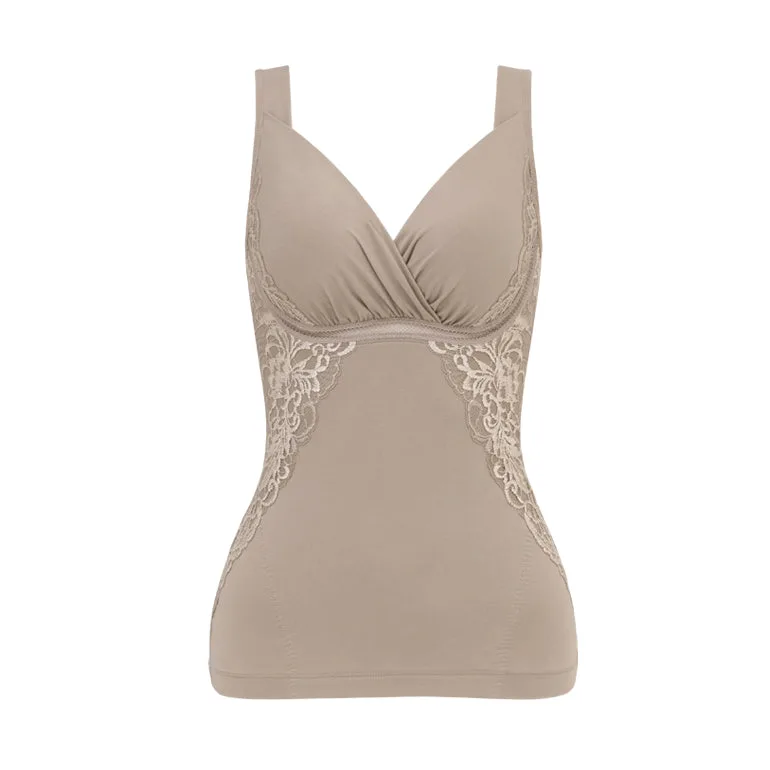
Cotton Wireless Lace Bra Camisole 24
- Prioritize cool-touch or moisture-wicking fabrics if you run warm.
- Wide, soft underbands reduce pressure on the ribcage.
- Lace and power net can add shaping without a wire.
Decision rules for buying a maternity bra
- If your band size has increased but your cup still fits: Choose a bra with multiple hook positions or add a bra extender. Do not size up in the cup unless you see spillage or the center gore floats. Prioritize adjustable band fit before changing cup size.
- If you want to breastfeed and prefer one bra for pregnancy and nursing: Choose a nursing bra with clip-down cups. It will have the access you need later, and many styles include extra hooks for postpartum changes. Nursing bras can be more economical if you plan to breastfeed.
- If you feel pressure or digging under the bust: Switch to a wireless maternity bra with a wide, soft underband. Check that the band sits flat against your ribcage and does not ride up in back. Wireless styles with broad bands reduce pressure points.
- If you are between sizes and unsure which to buy: Choose the larger band and the larger cup if the smaller cup cuts into breast tissue. You can tighten the band with hooks, but you cannot add cup room. When in doubt, size up in the cup and adjust the band.
Product facts that support your decision
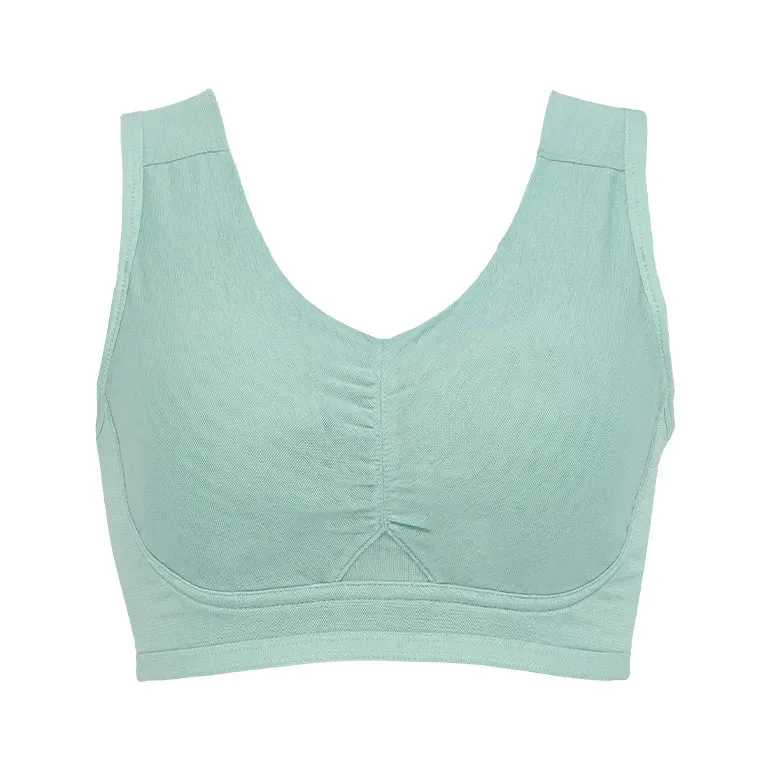
- Cotton Blend Light Fit Bra 26: Cool Touch, moisture-wicking, quick-dry and breathable for easy comfort and a naturally rounded bust line; lightweight sheer cotton-blend mesh; original pattern designed for a comfortable, non-restrictive fit. Breathable, non-restrictive design is useful when pregnancy increases body heat and you want comfort without heavy compression.
- Cotton Wireless Lace Bra Camisole 24: Wire-free support with patented mesh tape lifts and prevents sagging; lace and power net shape the waist and contour the body; Catcher Cup design offers lift and natural bust shape. If you want a wireless maternity bra that still shapes and supports, this camisole-style option provides lift without an underwire.
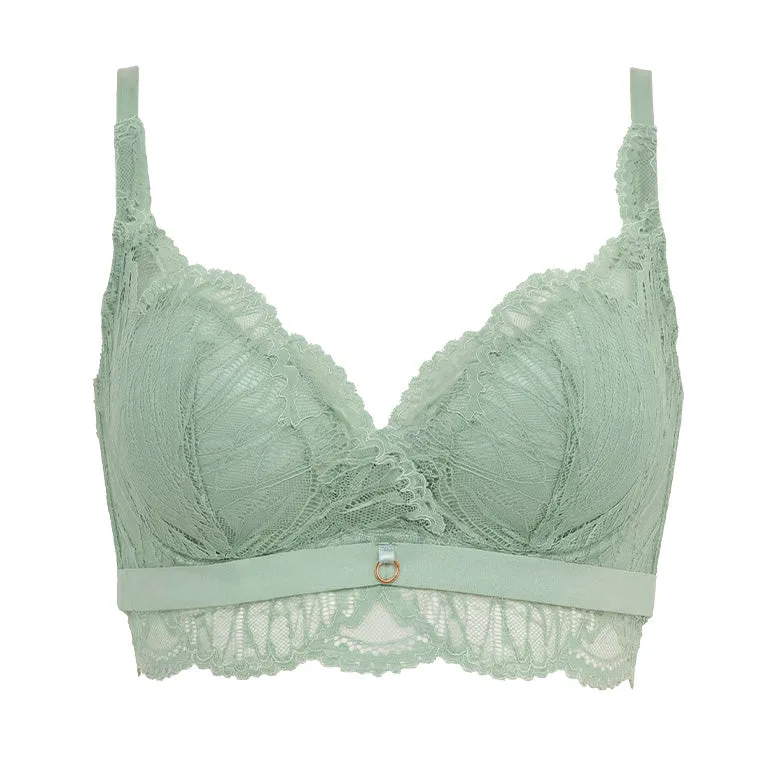
- Wireless Shaping Bra 26S2: All-over lace, wire-free shaping bra with Italian stretch raschel lace from cups to back; original shaping pattern combined with a crossover design keeps the bust supported. A wire-free shaping bra can be a good choice if you want a more polished look with support, though you should still check band fit as your ribcage changes.
- Challenge Shaping Bra: Online exclusive classic Jasmine Styles (Step1) with free matching extension hook; recommended for first timers who prefer a comfortable and soft fit; 100% cotton lining. The included extension hook is helpful during pregnancy when your band size may increase; the cotton lining adds breathability.
Who this guide is for
Best for
- Pregnant women who need a bra that adjusts as their ribcage and bust change
- Anyone comparing wireless maternity bras for comfort and support
- Shoppers deciding between a nursing bra and a maternity bra
Not for
- People looking for a standard everyday bra with no size fluctuation
- Those who need a specific medical or post-surgical bra
- Shoppers who want a single bra to fit for all nine months without refitting
A maternity bra buying guide is most useful when it helps you adapt, not when it promises one perfect size. Start with a wireless maternity bra that fits your current measurements, check the fit every few weeks, and choose a nursing bra only if you want breastfeeding access. Comfort and support can coexist when you prioritize adjustable bands, breathable fabrics, and wire-free shaping.