Quick answer
Buy the mattress protector first. It is the cheaper layer, it keeps spills, sweat and dust out of the mattress itself, and many mattress warranties require one. Add a topper only if the mattress is still uncomfortable after you have protected it, or if you want to change firmness, pressure relief or warmth.
What each layer actually does
A mattress protector is a fitted barrier that sits directly on the mattress under your sheets. Its job is defense: it stops liquids, sweat, dust mites and everyday grime from reaching the ticking and foam. Most are thin enough that you will not feel them, and waterproof versions usually have a breathable membrane on the underside.
A mattress topper is a comfort layer, typically 2 to 4 inches of foam, latex, down or fiber, that sits on top of the protector and changes how the bed feels. It can soften a hard surface, add pressure relief at the shoulders and hips, or add warmth. It does not seal the mattress, and most toppers are spot clean or gently washable at best.
When you only need a protector
If the mattress is comfortable and you mainly want to keep it clean, hygienic and covered under its warranty, stop there. A protector costs far less than a topper, takes up no extra height, and does not change the feel you already like. This is also the right call for guest beds, kids' rooms and any mattress that is still under a manufacturer warranty with a stain clause.
Check the care label before buying. A waterproof protector with a fitted skirt is the most practical choice for most homes, and having a spare means you can wash one while the other is on the bed.
When a topper is the better buy
Choose a topper when the mattress is structurally fine but feels wrong: too firm at the hips, too much pressure on the shoulders, or too warm in summer. A topper for a firm mattress is a common fix because it adds cushioning without replacing the bed. If the mattress sags, has a broken edge or is more than about eight years old, a topper will not repair it and you should put the money toward a new mattress instead.
Toppers also let you split preferences on a shared bed, since each side can have a different firmness. That is a real advantage over buying a whole new mattress just to settle a firmness disagreement.
How to layer them correctly
Put the protector on the mattress first, then the topper, then the fitted sheet. If you reverse the order, spills soak into the topper and the mattress stays exposed underneath. A deep-pocket sheet is usually needed once a topper adds 2 inches or more of height, so measure the total stack before you buy new sheets.
Wash the protector every one to two months, or immediately after any spill, and follow the care label for temperature. Most toppers should be aired and spot cleaned rather than machine washed, which is another reason to keep the waterproof layer closest to the mattress.
Budget order if you cannot buy both now
Start with the protector, because it is the layer that prevents permanent damage and protects your warranty. Save for the topper next, and buy it once you know exactly what you want to change: softer, cooler, or more supportive. If the room still feels unfinished after the bed is sorted, small pieces like a nightstand or a rug can do more for comfort than a second sleep layer.
Quick FAQ
Can I use a topper without a protector?
You can, but the topper becomes the first thing spills hit and most toppers are hard to wash. Put the protector on the mattress and the topper above it so the waterproof layer still does its job. Protector against the mattress, topper on top.
Does a protector make the bed hot?
Thin waterproof protectors with a breathable membrane are usually not noticeable. If you sleep hot, look for a protector described as breathable and avoid thick quilted pads, which trap more heat. Choose breathable over thickly quilted if temperature is your concern.
Will a topper fix a sagging mattress?
No. A topper adds comfort on a sound surface, but it cannot correct broken support, a collapsed edge or deep body impressions. Those are signs to replace the mattress. Toppers change feel, not structure.
Do I need a new sheet size after adding a topper?
Often yes. Measure the mattress, protector and topper together, then compare that total height with your sheet's pocket depth. A deep-pocket sheet is the usual fix for a 2-inch or thicker topper. Measure the full stack before buying sheets.
Room pieces that support the sleep setup
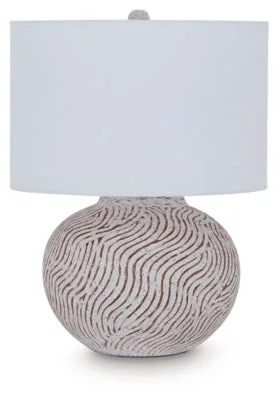
- Vien Table Lamp: Vien Table Lamp in terra cotta with a neutral tone and wavy pattern, described as versatile for reading, relaxing or unwinding. Good task lighting next to the bed makes reading and winding down easier once your sleep layers are sorted.
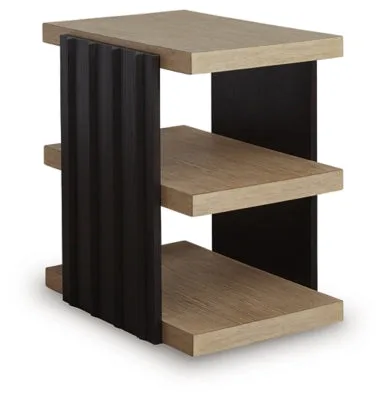
- Rylandyn End Table: Rylandyn End Table pairs a light brown wood finish with a black base and offers open shelving for books and decor. Open shelving keeps a water glass, book or spare protector within reach instead of on the floor.
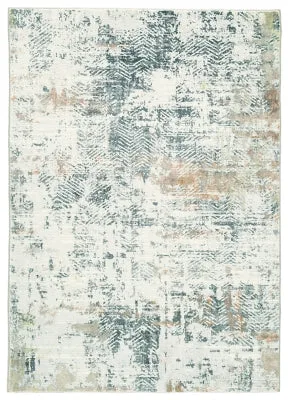
- Redlings 5' x 7' Rug: Redlings 5' x 7' Rug is a faux rabbit fur polyester rug in neutral tones with a 9mm pile and cotton backing, and no assembly is required. A soft rug beside the bed adds warmth underfoot, which matters if you keep the room cooler for sleep.