Quick answer
Buy replacement parts when the structure is still solid and only the soft or worn piece has failed; buy an upgrade when your cat has outgrown the current perch or resting spot. Start by identifying the exact piece you already own, then pick the replacement or upgrade that matches its mounting point and your cat's size. If the trunk, base, or hardware is damaged, replacing the whole tree is usually the better spend.
Identify the part before you buy anything
Every Mau replacement decision starts with the same step: figure out which piece is actually failing. Cushions flatten and hold odor, platforms crack or wobble, and fabric covers fray where claws land most often. Those are three different purchases, and mixing them up is the most common reason a part arrives and does not work.
Check the mounting point, not just the shape. A platform that attaches to the trunk on the left or right side mounts differently from a centered perch, so a side-mounted piece will not substitute for a centered one. If you cannot confirm the mount, treat it as a decision limitation and contact the store rather than guessing.
Replacement versus upgrade: the honest trade-off
A replacement restores what you had. An upgrade changes how the tree performs for your cat. Replacements are cheaper and lower-risk because the fit is already proven on your tree. Upgrades cost more and may change the tree's footprint or balance, but they solve problems a like-for-like swap cannot, such as a cat that has outgrown a resting area or a tree that no longer matches the room.
The deciding question is whether your cat's behavior changed. If the cat avoids a spot it used to love, the piece is probably worn and a replacement fixes it. If the cat never used the spot or has grown past it, an upgrade is the better buy.
Match the part to your cat's size and habits
Size drives more returns than color ever will. A platform rated for cats under a specific weight limit will not comfortably hold a heavier cat, no matter how sturdy it looks in photos. Weigh your cat before you shop and treat the stated limit as a ceiling, not a suggestion. Heavy cats also put more torque on side-mounted pieces, so a wider, well-supported platform is worth the extra cost.
Habits matter too. Stretchers and loungers want flat, wide surfaces. Curlers want enclosed or cushioned shapes. Scratchers want a post they can dig into. Buying a piece that contradicts how your cat already uses the tree is the fastest way to waste money.
Cosmetic upgrades are legitimate, with limits
Swapping a cushion color or refreshing fabric is a reasonable upgrade when the structure is fine and you want the tree to fit a redecorated room. It is also the cheapest way to make an older tree feel new. Just be clear that cosmetic swaps do not fix wobble, worn hardware, or a perch your cat has outgrown.
If you are replacing fabric because of odor rather than appearance, check whether the cover is machine washable first. A washable cushion that can be replaced in a range of colors solves both problems at once and is usually the smarter purchase than a full new resting piece.
Decision rules for buying Mau parts and upgrades
- Rule 1: Soft part worn, structure solid: Replace the cushion or cover only. Confirm the cover is washable or replaceable in your preferred color before ordering. Cheapest fix. Do not replace the whole tree for a flattened cushion.
- Rule 2: Cat has outgrown the resting spot: Upgrade to a larger platform, and verify the weight limit and the mounting side against your tree. Check the weight ceiling first. A larger platform that exceeds your cat's limit is not an upgrade.
- Rule 3: Trunk, base, or hardware is damaged: Stop buying parts. A compromised structure is a safety issue, and a new tree is the correct purchase. Structural damage ends the replacement conversation.
- Rule 4: You want a different look, not different function: Choose a color or fabric swap on an existing piece rather than a new resting piece. Cosmetic changes should stay cosmetic in price too.
Products that fit these decisions
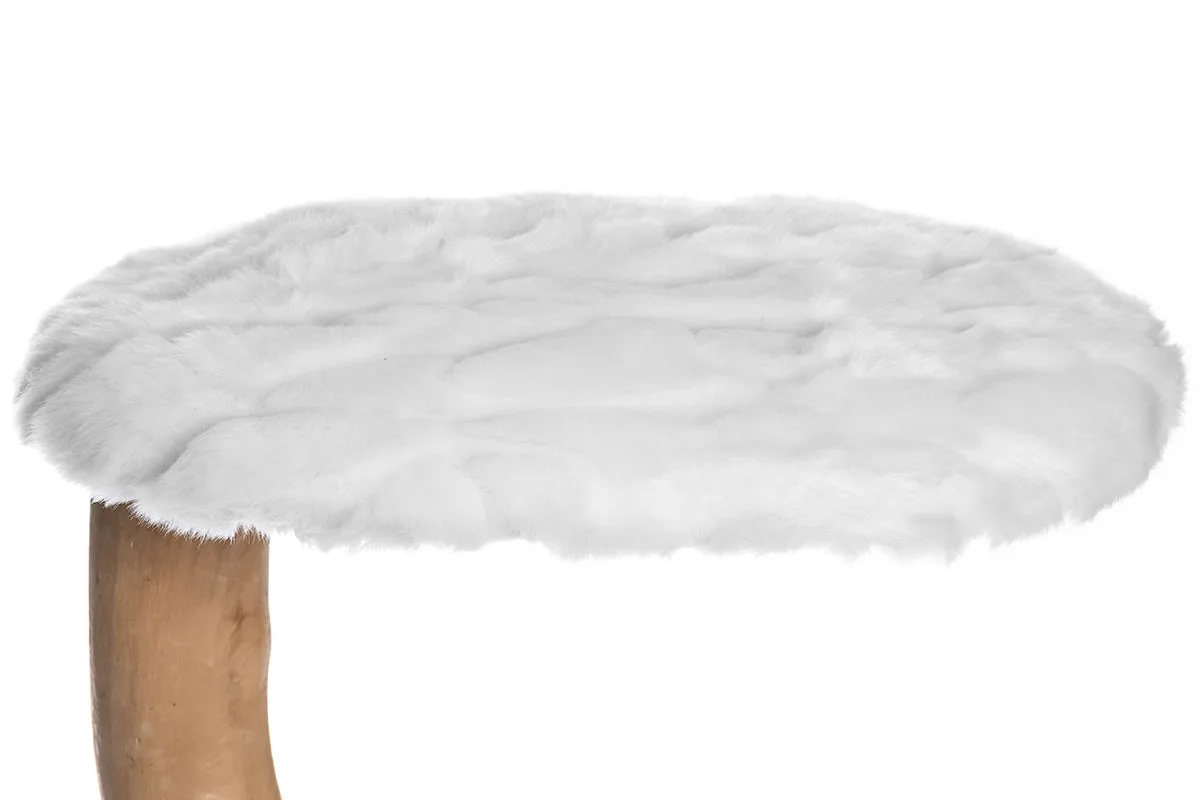
- Large Platform Bed: Large 18" x 14" platform bed for cats that like to stretch and lounge, with a thin cushioned layer under the fabric; fits all models and perches, attaches to the trunk on the left or right side, and is suitable for cats weighing under 16 lbs. This is the upgrade to choose when your cat has outgrown a narrow perch, but the side-mount requirement and the 16 lb limit are hard constraints you must check before buying.
- Uni: Ultra-fuzzy cat tree with faux fur, a hand woven basket, a scratching post, and a hanging pom-pom ball, sized for cat parents who do not want a tree overpowering a living room or bedroom. If multiple parts on your current tree are worn, replacing the whole tree can cost less than chasing individual replacements, and this footprint suits smaller rooms.
- Castillo: Cat tower with a circular resting area framed by two raised sides and a premium faux fur cushion; the machine-washable cushion is included and can be replaced in a variety of colors. A washable, color-swappable cushion is the cleanest cosmetic upgrade path when the structure is still in good shape.
Who should buy replacement parts, and who should not
Buy parts and upgrades if
- Your tree's trunk, base, and hardware are intact and only the soft or worn piece has failed
- Your cat has outgrown a perch or resting area and needs a wider or more supportive surface
- You want to refresh the color or fabric of an existing piece to match a room
Skip parts and buy a new tree if
- The trunk, base, or mounting hardware is cracked, loose, or damaged
- Several parts are worn at once and the total cost approaches a new tree
- Your cat's weight exceeds the stated limit on the replacement piece you are considering