A meat fork is a versatile kitchen tool that often gets overlooked. Whether you're carving a roast, lifting a steak off the grill, or holding a chicken steady while cutting, the right meat fork can make the task safer and more efficient. With so many options available, choosing the perfect meat fork can feel overwhelming. This guide will walk you through the essential factors to consider, ensuring you pick a fork that suits your cooking style and needs.
From length and material to handle design, we'll break down each aspect so you can make an informed decision. We'll also highlight some excellent options from Westmark that combine quality and functionality, helping you elevate your kitchen experience.
Why a Good Meat Fork Matters
A meat fork is not just a simple utensil; it's a safety tool. Using a fork to hold meat while carving prevents slippage, reducing the risk of accidental cuts. It also allows you to handle hot meats without burning your hands, making it an essential companion for grilling and roasting. A well-designed meat fork provides a secure grip and balanced weight, giving you control and precision.
Moreover, the right meat fork can enhance your cooking results. For instance, a fork with long tines can help you test the doneness of a roast by piercing it easily. It can also be used to lift and turn heavy cuts, preserving their juices and presentation. Investing in a quality meat fork is a small step that significantly improves your kitchen efficiency.
- Safety: Prevents slips and burns.
- Control: Offers precision when carving.
- Versatility: Useful for grilling, roasting, and serving.
Meat Fork Length: Finding the Right Size
The length of a meat fork is crucial for both safety and functionality. A longer fork, typically 12 inches or more, keeps your hands away from heat and sharp blades, making it ideal for grilling and roasting large cuts. It provides better leverage and reach, allowing you to handle heavy meats with ease. On the other hand, a shorter fork, around 8 to 10 inches, offers more control for intricate carving tasks, such as deboning or slicing delicate roasts.
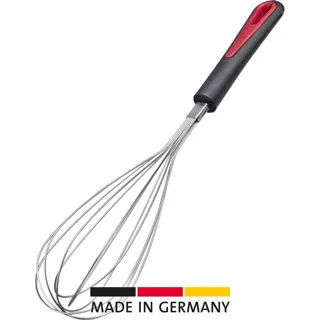
When choosing the length, consider your primary use. If you frequently grill outdoors, a longer fork like the https://westmarkez.com/products/whisk-gallant-maxi-32-cm-324885Whisk »Gallant«, Maxi, 32 cm, is excellent for handling large pieces over hot coals. For kitchen carving, a medium-length fork might be more suitable. Always ensure the fork feels comfortable in your hand and gives you the reach you need without compromising control.
- Long forks (12+ inches): Best for BBQ and roasting.
- Medium forks (8-10 inches): Ideal for carving and serving.
- Consider your storage space and hand size.
Material Matters: Stainless Steel, Wood, and More
The material of a meat fork affects its durability, weight, and maintenance. Stainless steel is the most common and preferred choice due to its strength, resistance to rust, and ease of cleaning. High-quality stainless steel forks, like those from Westmark, are often made with a single piece of metal, ensuring they won't bend or break under pressure. They are also dishwasher safe, making cleanup a breeze.
Wooden handles offer a classic and comfortable grip, but they require more care. They should be hand-washed and occasionally oiled to prevent cracking. Plastic handles are lightweight and affordable but may not withstand high heat. For a balance of comfort and durability, look for a fork with a stainless steel body and a heat-resistant handle. The Whisk »Pro«, approx. 28 cm, rigid, is a prime example of a sturdy stainless steel fork that offers excellent performance.
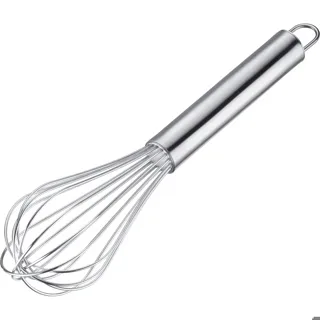
Whisk »Pro«, approx. 28 cm, rigid
- Stainless steel: Durable, rust-resistant, dishwasher safe.
- Wooden handles: Classic look, comfortable grip, but need hand washing.
- Plastic handles: Lightweight, budget-friendly, but less heat resistant.
Handle Design: Grip and Comfort
The handle design is often overlooked but plays a significant role in comfort and control. A well-designed handle should fit comfortably in your hand, providing a secure grip even when wet or greasy. Look for ergonomic shapes that reduce hand fatigue during long carving sessions. Some handles feature textured surfaces or non-slip coatings, which are especially useful when handling oily meats.
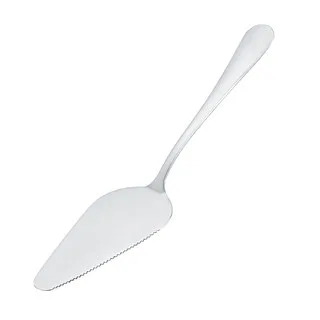
Additionally, consider the handle's length and balance. A fork with a weighted handle can provide better balance, making it easier to control. Some meat forks have a hook or loop at the end for hanging storage, which is convenient for kitchens with limited drawer space. The Cake server with cutting edge, while not a meat fork, demonstrates Westmark's attention to handle design, ensuring a comfortable grip for precise tasks.
- Ergonomic shapes reduce fatigue.
- Non-slip coatings improve grip.
- Hanging loops save storage space.
Tines and Additional Features
The tines of a meat fork are the prongs that pierce the meat. They should be sharp enough to penetrate easily but sturdy enough not to bend. Typically, meat forks have two long tines, which provide a secure hold without tearing the meat. Some forks have three tines for extra stability, but two are more common and versatile. The spacing between tines also matters; wider spacing is better for large cuts, while closer spacing works for smaller items.
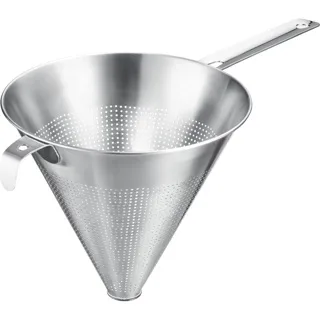
Additional features can enhance the fork's utility. For instance, some forks have a built-in bottle opener or a serrated edge for cutting. While these extras can be handy, they might compromise the fork's primary function. It's best to choose a fork that excels at its main job. The Pointed sieve/ Chinois »Pro«, Ø 20 cm, is an example of a specialized tool, but for meat forks, simplicity often wins.
- Two tines: Standard for most tasks.
- Sharp, sturdy tines prevent bending.
- Consider extra features like bottle openers, but prioritize core function.
Choosing the Best Meat Fork for BBQ and Carving
When selecting a meat fork for BBQ, prioritize length and heat resistance. A long fork keeps you safe from flare-ups and allows you to flip large cuts without getting too close. Look for a fork with a heat-resistant handle, as it will be exposed to high temperatures. The Whisk »Gallant«, Maxi, 32 cm, is an excellent choice for BBQ enthusiasts, offering both length and durability.
For carving, a shorter fork with a comfortable grip is better. It allows for precise control when slicing roasts or poultry. Consider a fork with a slight angle to the tines, which can help in lifting meat away from the bone. Ultimately, the best meat fork is one that feels natural in your hand and suits your specific cooking habits. Don't be afraid to test a few options to find your perfect match.
- BBQ: Long, heat-resistant fork.
- Carving: Shorter, ergonomic fork.
- Test for comfort and balance.
Choosing the right meat fork is a matter of balancing length, material, and handle design to fit your cooking style. Whether you're grilling outdoors or carving a Sunday roast, a quality meat fork enhances safety and precision. Explore Westmark's range of kitchen tools, including the sturdy Whisk »Pro«, approx. 28 cm, rigid, and the versatile Whisk »Gallant«, Maxi, 32 cm, to find the perfect addition to your kitchen arsenal.