Quick answer
Buy the Medium Storage Container if you usually pack full meals, family leftovers, or batch-prepped lunches; choose the Small Storage Container for single portions, sides, and sauces. The medium costs a bit more and takes up more shelf or fridge space, while the small saves space and money but fills up fast. If you cook for one or two people, the small is often the smarter everyday pick.
What actually differs between the two sizes
Both containers share the same ceramic-coated, non-toxic build and BPA-free design, so the real decision is capacity versus footprint. The Medium Storage Container is built for larger portions and multi-serving meals, while the Small Storage Container is designed for single servings, sides, and smaller leftovers. Because the materials and cleanup are the same, you are choosing how much food you want to store at once and how much cabinet space you are willing to give up.
How price and value compare
At catalog prices, the Medium Storage Container is USD 33.50 (compared with USD 50.00) and the Small Storage Container is USD 28.80 (compared with USD 45.00). The small is cheaper per unit, but the medium holds more food per container, so the better value depends on what you actually cook. If you regularly portion out big batches, one medium can replace two smalls and cut down on the number of containers you need to buy and wash.
Matching size to your routine
Think about your last week of meals. If you packed full lunches, stored dinner leftovers for two or more people, or prepped grains and proteins in bulk, the medium will get used constantly. If you mostly save half a portion, pack snacks, or store sauces and sides, the small will fit your routine without wasting fridge space. Many kitchens end up with both: small containers for daily odds and ends, medium containers for planned meals and batch cooking.
Trade-offs at a glance
- Capacity vs. footprint: The medium holds more food per container but takes up more fridge and cabinet space; the small saves space but fills quickly with full meals. Pick the medium for full meals, the small for sides and single servings.
- Upfront cost vs. containers needed: The small is cheaper per container, but batch cooks may need several smalls to match what one medium holds. Compare price per portion, not just price per container.
- Everyday flexibility: Small containers handle sauces, snacks, and partial portions; medium containers handle planned meals and leftovers for more than one person. If you cook for one, start small; if you cook for a household, start medium.
Product facts
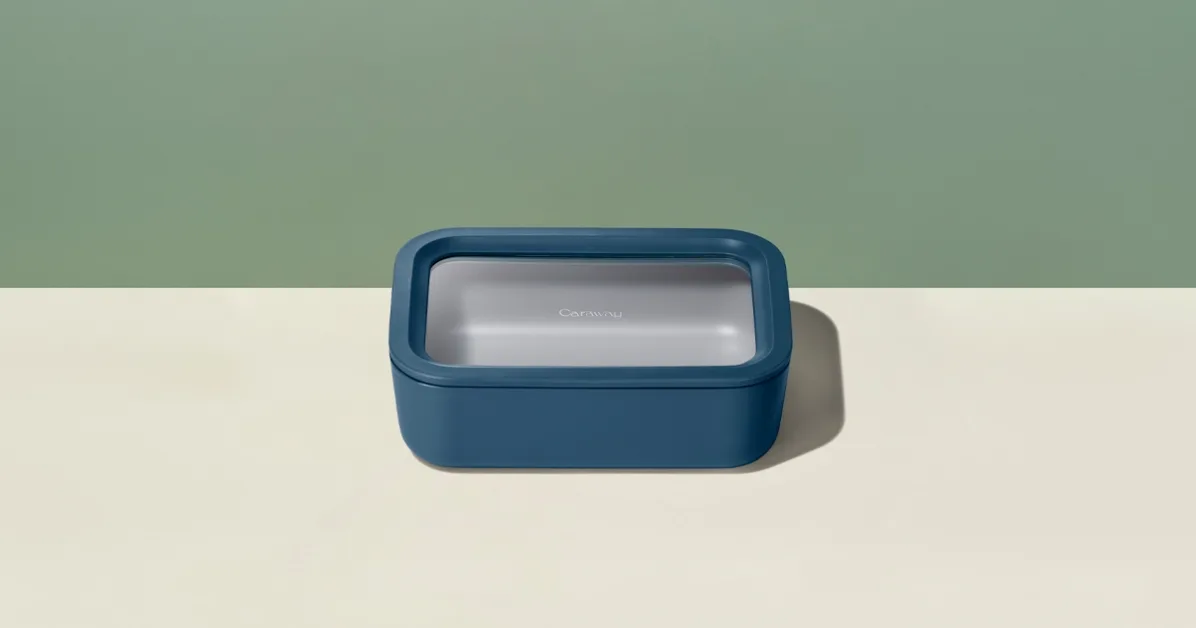
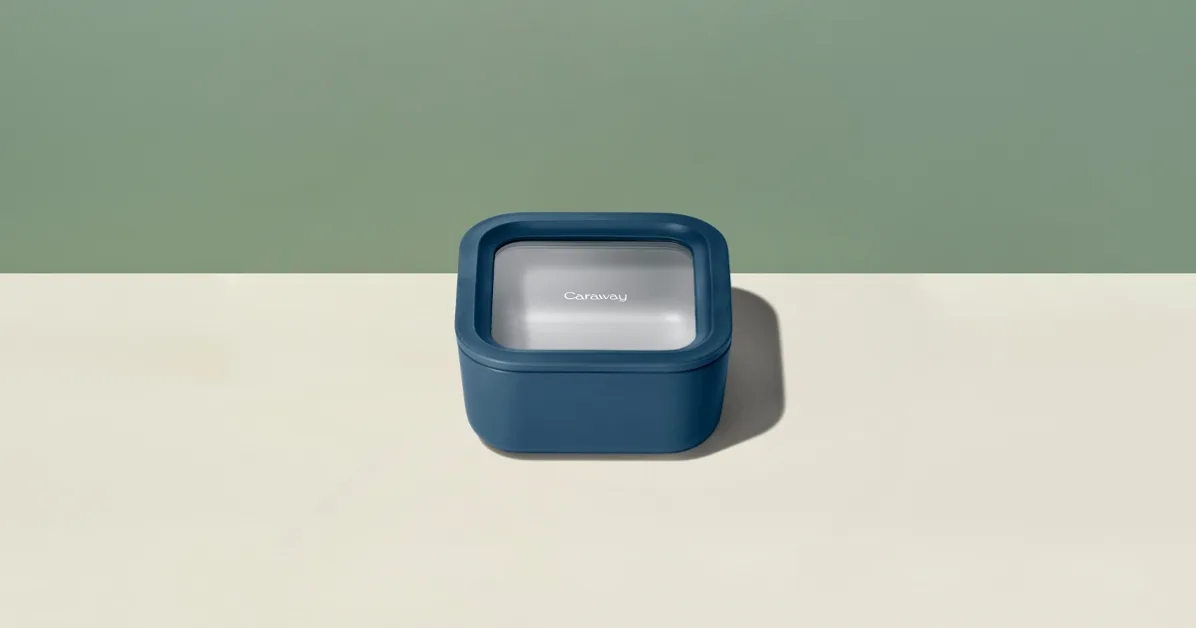
- Medium Storage Container: Caraway's medium container: ceramic food storage in a versatile medium container—non-toxic, ceramic food containers for fresh meal prep and easy storage. A versatile medium size suits meal prep and larger leftovers, so you can store a full portion in one container instead of splitting it across several.
- Small Storage Container: BPA-free, ceramic-coated glass, and non-stick small food storage container; makes prepping, storing, and serving easier than ever. The non-stick ceramic coating helps food release cleanly, which matters most for small portions of sauces, sides, and single servings.
Which size fits you
Best for
- Households packing full lunches or storing dinner leftovers for two or more people
- Batch cooks who prep grains, proteins, or full meals in advance
- Anyone who wants one container to hold a complete portion
Not for
- Single people storing only sauces, snacks, or half portions
- Very tight fridge or cabinet space where a smaller footprint matters most
- Buyers who want the lowest upfront cost per container