Quick answer
If your child thrives on visual matching and needs to build vocabulary through play, a memory game with animals offers a low-pressure, engaging start. If your child struggles with spatial concepts like 'in' or 'under,' prepositions flashcards provide explicit, step-by-step visual instruction. For most families, starting with the memory game builds confidence, then adding flashcards targets specific language gaps.
Choosing between a memory game with animals and prepositions flashcards often comes down to what kind of language support your child needs right now. Both tools are popular in speech therapy and home learning, but they work in different ways. A memory game builds vocabulary and turn-taking through play, while flashcards focus on understanding and using positional words.
In this comparison, we look at how each tool supports language development, the trade-offs you should know about, and how to match the right one to your child's current skills and learning style.
How a memory game with animals supports language skills
A memory game like the Memory Game - Careers uses real photographs and matching pairs. While the careers version focuses on job vocabulary, the same format works with animals. The core benefit is that your child practices memory, attention, and language in a playful context. Because no reading is required, even early learners can join in. The cards include the name of the picture, which gently promotes early sight reading.
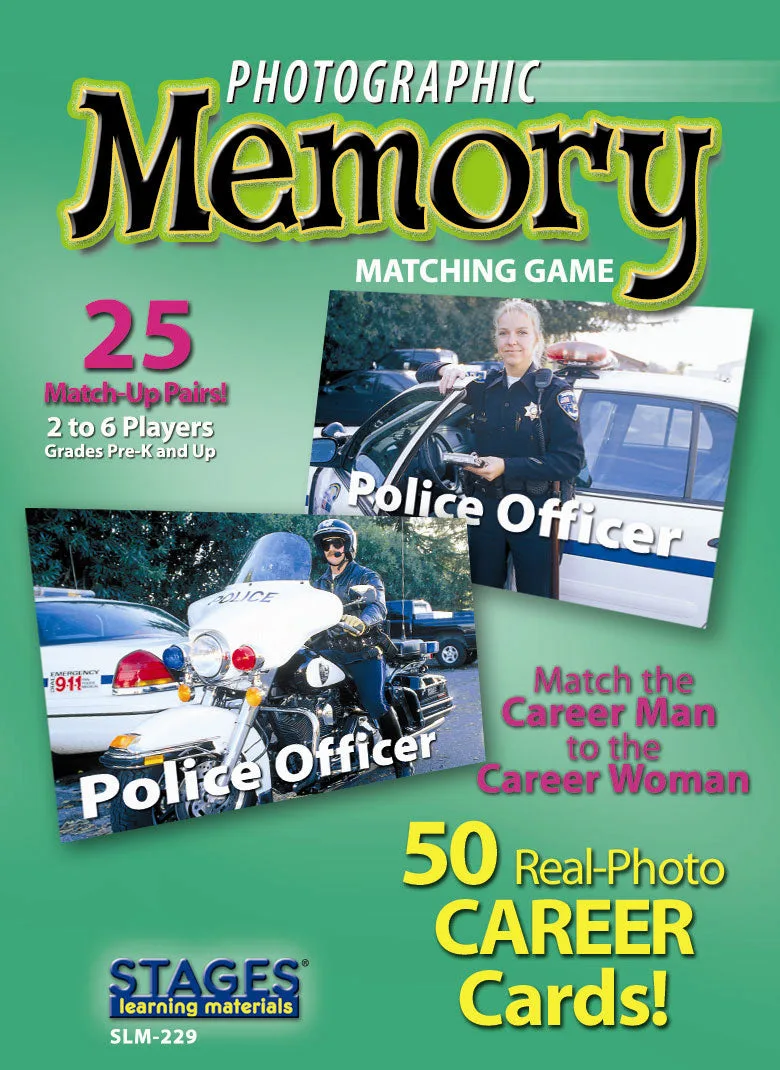
Memory Game - Careers
This type of game also encourages social language. When playing with 2 to 6 players, your child practices taking turns, asking questions, and commenting on what they see. For children who are motivated by games, this can feel less like work and more like fun. The trade-off is that a memory game does not explicitly teach grammar or spatial concepts. It builds vocabulary and memory but leaves the next step—using those words in sentences—to you.
- Start with a small grid (like 6 pairs) to build confidence before adding more cards.
How prepositions flashcards target specific language gaps
Prepositions flashcards are designed to teach positional words like 'in,' 'on,' 'under,' and 'behind.' These are common trouble spots for many children with autism because they are abstract and hard to visualize. Flashcards give you a clear, repeatable way to show each concept with a picture. You can use them in structured teaching sessions, then practice the same words in real life—like putting a toy 'under' the table.
The trade-off is that flashcards can feel repetitive or less exciting than a game. Some children resist sitting still for flashcard drills. To keep engagement high, you can turn flashcard practice into a simple game—like hiding cards around the room and having your child find the one that shows 'under.' But if your child strongly prefers play-based learning, flashcards alone may not hold their attention.
- Pair each flashcard with a real object to help your child connect the word to the world.
Comparing the two: what each tool does best
When you put a memory game with animals next to prepositions flashcards, the difference is clear. The memory game builds a broad foundation: vocabulary, memory, and social turn-taking. Flashcards build a specific skill: understanding and using positional language. Neither is 'better' overall—they serve different purposes.
Think about your child's current needs. If they are just starting to talk or need to expand their word bank, a memory game is a low-pressure way to introduce new names. If they already know many words but struggle to put them into phrases or follow directions like 'put the cup on the table,' prepositions flashcards give you the targeted practice they need.
The trade-off at a glance
- Memory game with animals: Builds vocabulary, memory, and social turn-taking through play. Low pressure and engaging, but does not explicitly teach grammar or spatial words. Best for early vocabulary building and children who learn through games.
- Prepositions flashcards: Targets specific positional words with clear visuals. Great for explicit teaching, but can feel repetitive and may need extra motivation to keep engagement. Best for children who already have basic vocabulary but need help with spatial language.
- Using both together: Start with the memory game to build confidence and vocabulary, then add flashcards to work on specific gaps like prepositions. This sequence uses play to open the door and structure to fill in the details. A combined approach often works best for steady language growth.
Two tools that fit these goals
- Memory Game - Careers: Help build memory and language skills in a fun, innovative way! With colorful, realistic photographs, this is a great new photographic twist on a time-honored game. No reading is required, but cards include the name of the picture to promote early site reading. 50 Real-Photo Career Cards, 25 Match-Up Pairs for 2 to 6 players. The same photo-matching format works with animal cards. It gives you a ready-made structure for vocabulary building and turn-taking, with a low barrier to entry for early readers.
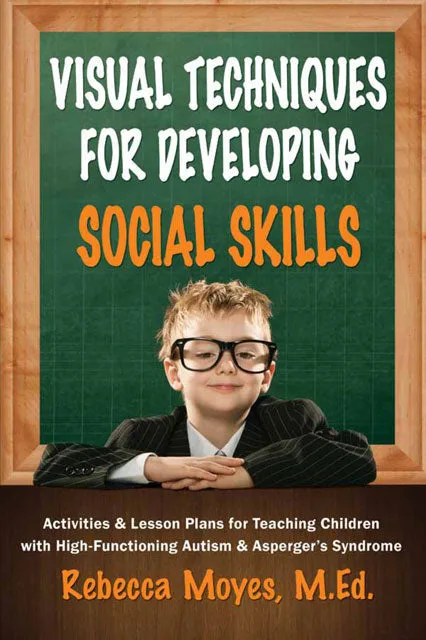
- Visual Techniques for Developing Social Skills: Social skills instruction for K‐8th grade children on the autism spectrum requires an emphasis on visuals, or “show‐teaching” techniques, rather than language‐based instruction. This book fulfills that need, consisting of easy‐to‐use, step‐by‐step lesson plans with a wealth of visual tools and aids for teaching children with high‐functioning autism and Asperger's Syndrome. This book shows you how to use visual strategies—like flashcards—to teach social and language concepts. It pairs well with preposition flashcards because it gives you a step-by-step plan for visual instruction.
Which should you choose?
Best for
- A child who enjoys games and needs to expand vocabulary and memory skills
- A child who is just starting to talk or needs a low-pressure way to practice turn-taking
Not for
- A child who already knows many words but struggles with positional language—they need explicit flashcard instruction instead
Both a memory game with animals and prepositions flashcards have a place in your language-building toolkit. Choose the memory game to spark engagement and build a broad vocabulary base. Choose flashcards when you need to target specific concepts like prepositions. And remember, you can always use both—start with play, then add structure to fill the gaps.