Quick answer
If your spare cards live loose in a bag pocket or rattling in a hard case, a memory card wallet is the simplest fix. It keeps cards protected, separated, and easy to find. For most photographers, a wallet with individual slots and a rugged outer shell is enough. If you only carry one spare card and never shoot in dust or moisture, a small pouch may suffice.
Symptom: You waste time hunting for a card when the shoot is waiting
The telltale sign is a frantic pocket pat-down while a client or subject waits. You know you packed a spare, but it could be in your jacket, your bag's front pocket, or the bottom of a gear bin. This delay costs you the first few minutes of a session and adds stress that shows in your work.
Another symptom: you find a card later with no idea whether it's full, empty, or already backed up. Without a dedicated home, cards become anonymous plastic rectangles.
Likely cause: Cards have no fixed place in your kit
Most camera bags are designed for bodies, lenses, and maybe a laptop. They rarely include a purpose-built card slot. So spare cards end up in whatever pocket is free. That means they migrate, get buried, and sometimes get lost.
Even a small hard case can be a problem if it's loose in a large compartment. It slides around, opens accidentally, or gets crushed under a lens. The issue isn't that you lack storage; it's that your storage isn't stable or accessible.
Corrective action: Give every card a labeled slot
A memory card wallet solves this by assigning each card a specific slot. You can see at a glance how many are free and which are full. Look for a wallet with elastic or mesh pockets that grip the card edges, not just a sleeve that lets them slide out.
For spare SD card storage, a wallet that holds four to eight cards covers a full day of shooting without bulk. If you shoot with multiple camera types, choose a wallet with mixed-size slots or separate sections for SD and CFexpress. The goal is to make 'empty' and 'full' obvious, so you never format the wrong card.
When a wallet is overkill: Stop and choose another option
If you only ever carry one spare card and shoot in clean, dry environments, a simple plastic clamshell case is enough. It costs less and takes up less space. A wallet adds value when you carry three or more cards, work in messy conditions, or need to track which cards are ready to use.
Also skip a wallet if you rely entirely on in-camera dual slots and never remove cards until you're back at a computer. In that workflow, cards stay in the camera, so a wallet is just extra gear.
Diagnose your card storage problem
- Symptom: You pat down multiple pockets before finding a card: Your cards have no fixed location. A memory card wallet with individual slots forces a consistent home. If this happens more than once a week, get a wallet.
- Symptom: You find a card and can't tell if it's full or empty: You need a visual system. Use a wallet with a clear window or reversible slots so you can mark full cards by flipping them. If you shoot daily, a wallet with a 'full/empty' indicator saves you from formatting mistakes.
- Symptom: Cards get bent, cracked, or wet: Your current storage lacks rigid protection or water resistance. Choose a wallet with a hard shell or water-resistant zipper. If you shoot in rain, dust, or near water, a rugged wallet is non-negotiable.
- Symptom: You carry one card and never remove it until download: A wallet adds bulk without benefit. A simple sleeve or the card's original case is enough. Stop here and skip the wallet.
Product facts that matter for card organization
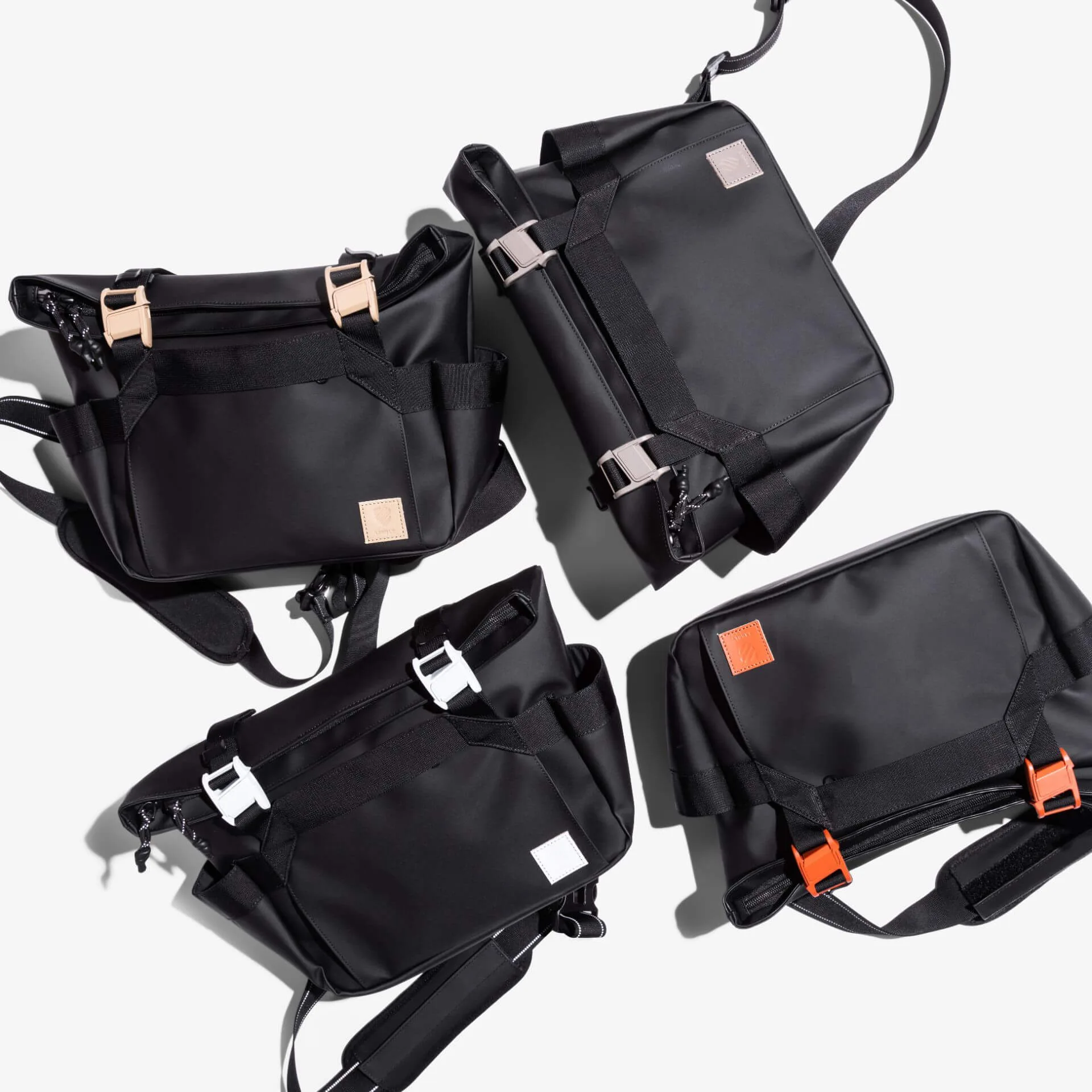
- Bravo Mirrorless Shoulder Bag: The Bravo Mirrorless Shoulder Bag is a lightweight cross-body bag with a waterproof outer lining, rolltop closure, and Fidlock Slider buckles. A weather-resistant bag keeps your memory cards dry if you carry them inside, and the rolltop closure prevents cards from spilling out if the bag tips over.
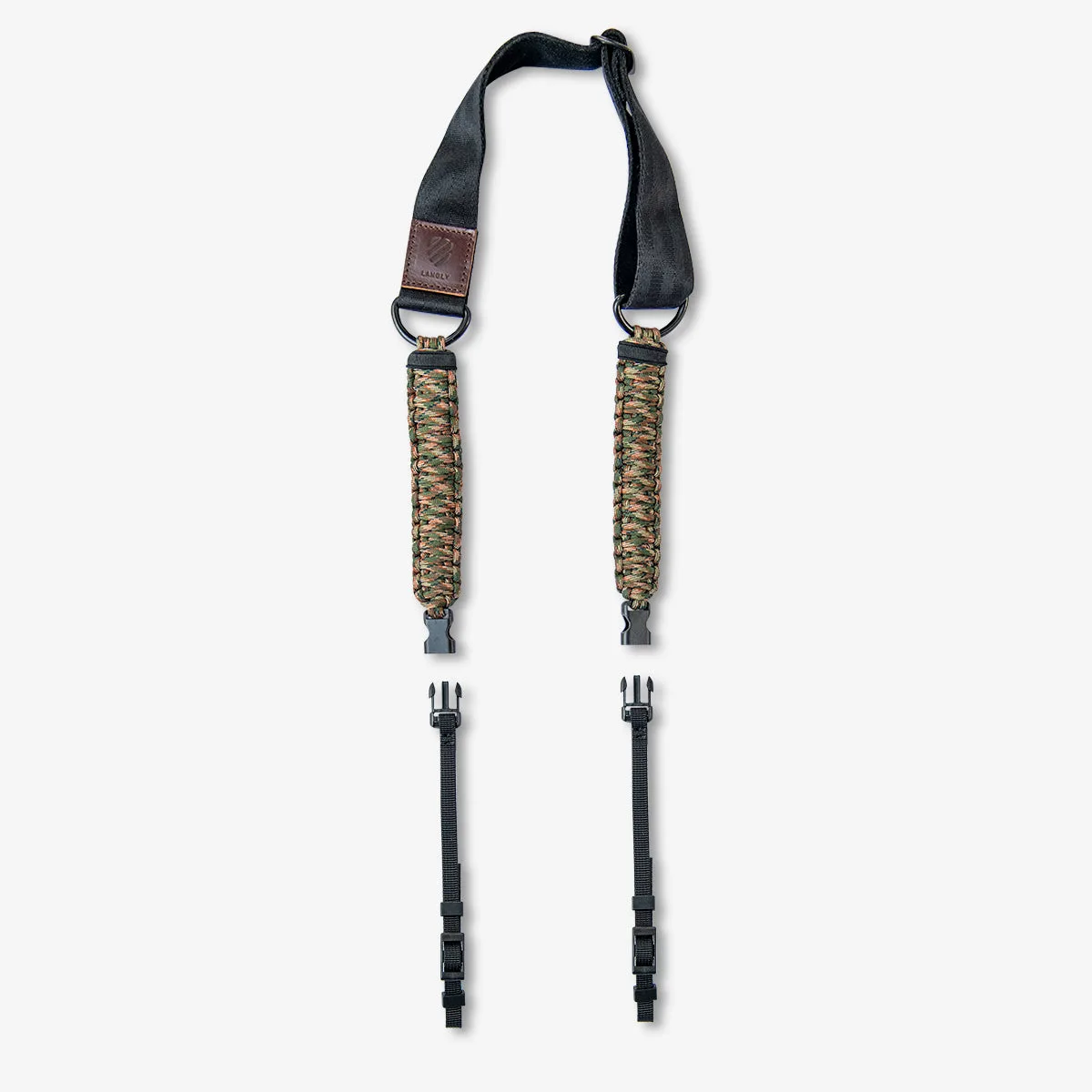
- Paracord Camera Neck Strap: The Paracord Camera Neck Strap uses 550-lb test paracord and has a soft suede lining. If you carry a spare card on a strap accessory, the paracord's suspension reduces shock, but it's not a substitute for a dedicated card wallet. Use it only as a secondary carry method.