Multivitamins are a staple in many daily wellness routines, but not all are created equal. If you've ever stood in the supplement aisle wondering why there are separate formulas for men and women, you're not alone. The truth is, our bodies have different nutritional needs based on gender, age, and lifestyle. Choosing the right multivitamin can make a significant difference in how you feel and your overall health.
In this article, we'll break down the key differences between men's and women's multivitamins, explore the science behind gender-specific formulas, and help you decide which one might be the best fit for your health goals.
Why Do Men and Women Need Different Multivitamins?
Men and women have distinct physiological differences that influence their nutritional requirements. Hormonal variations, muscle mass, bone density, and reproductive health all play a role in determining which vitamins and minerals are most critical. For example, women of childbearing age need more iron and folate to support blood health and prevent birth defects, while men may require more zinc and magnesium for testosterone production and muscle function.
Additionally, certain nutrients can be harmful in excess. Iron, for instance, is essential for women but can accumulate in men's bodies, potentially leading to oxidative stress and organ damage. Similarly, men may benefit from higher doses of vitamin D and calcium for bone health, but women need these nutrients even more to combat the risk of osteoporosis later in life.
- Hormonal differences affect nutrient needs.
- Iron needs are higher for women, while men may need more zinc.
- Calcium and vitamin D are crucial for both, but women often require more.
Key Nutritional Differences in Men's and Women's Multivitamins
When you compare labels, you'll notice several key differences. Women's multivitamins typically contain more iron, folic acid, and calcium, while men's formulas often have higher levels of zinc, magnesium, and vitamin E. These adjustments align with the specific health concerns each gender faces.
For instance, zinc is vital for men's reproductive health and immune function, while magnesium supports muscle recovery and energy production. On the other hand, folic acid is crucial for women to prevent neural tube defects during pregnancy, and calcium helps maintain bone density, especially as women age. Some men's multivitamins also include ingredients like lycopene or saw palmetto for prostate health, while women's formulas may incorporate herbs like chasteberry for hormonal balance.
- Women's formulas often include more iron, folate, and calcium.
- Men's formulas may have higher zinc, magnesium, and vitamin E.
- Some men's multivitamins include prostate-supporting ingredients.
Choosing the Right Multivitamin for Your Needs
While gender-specific multivitamins are designed to meet the unique needs of men and women, they are not the only option. Some people may benefit from a unisex formula or a specialized multivitamin that targets specific health concerns. For example, if you're over 40, you might consider a formula like Ancient Multivitamin Women's 40+ - Ancient Nutrition, which is tailored to support aging bodies with nutrients like vitamin B12 and CoQ10 for energy and cognitive health.
Pregnant women have even more specific needs, and a prenatal multivitamin is essential. Ancient Multivitamin Prenatal - Ancient Nutrition is designed to provide the extra folate, iron, and DHA needed for a healthy pregnancy. On the other hand, men looking for a comprehensive daily formula might explore options that include adaptogens or botanical extracts to support stress and vitality.
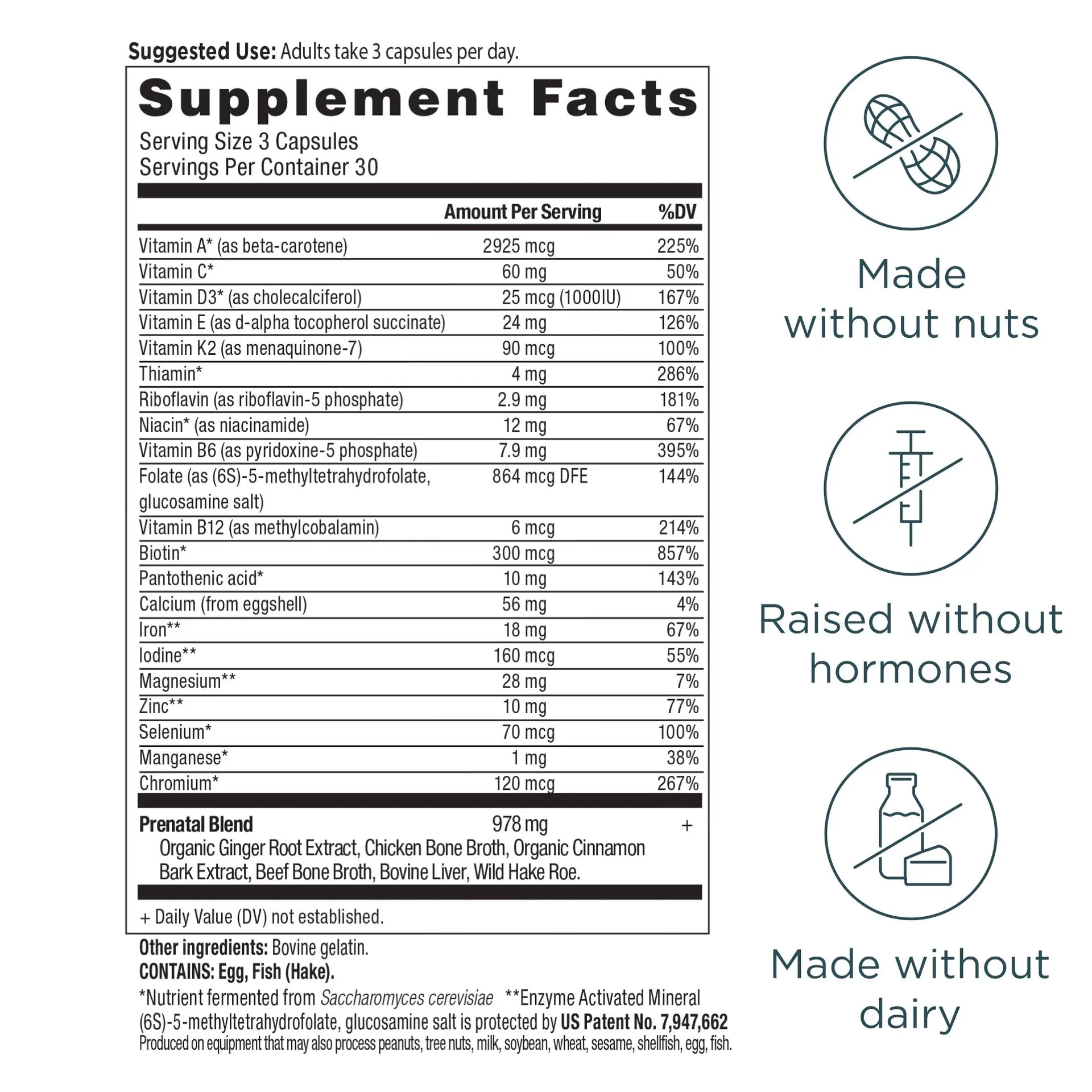
Ancient Multivitamin Prenatal - Ancient Nutrition
- Consider your age, health status, and lifestyle when choosing a multivitamin.
- Prenatal vitamins are essential for pregnant women.
- Look for formulas that address your specific health concerns.
How to Make the Most of Your Multivitamin
Taking a multivitamin is a great step, but to get the most benefit, you should pair it with a balanced diet and healthy lifestyle. Multivitamins are meant to fill nutritional gaps, not replace whole foods. Eating a variety of fruits, vegetables, lean proteins, and whole grains ensures you're getting a wide range of nutrients that work synergistically with your supplement.
Also, consider your absorption. Some nutrients are better absorbed with food, while others are fat-soluble and require dietary fat. For example, vitamins A, D, E, and K are fat-soluble, so taking your multivitamin with a meal that contains healthy fats can enhance absorption. If you have digestive issues, you might benefit from a probiotic supplement like SBO Probiotics - Ancient Nutrition to support gut health and nutrient uptake.
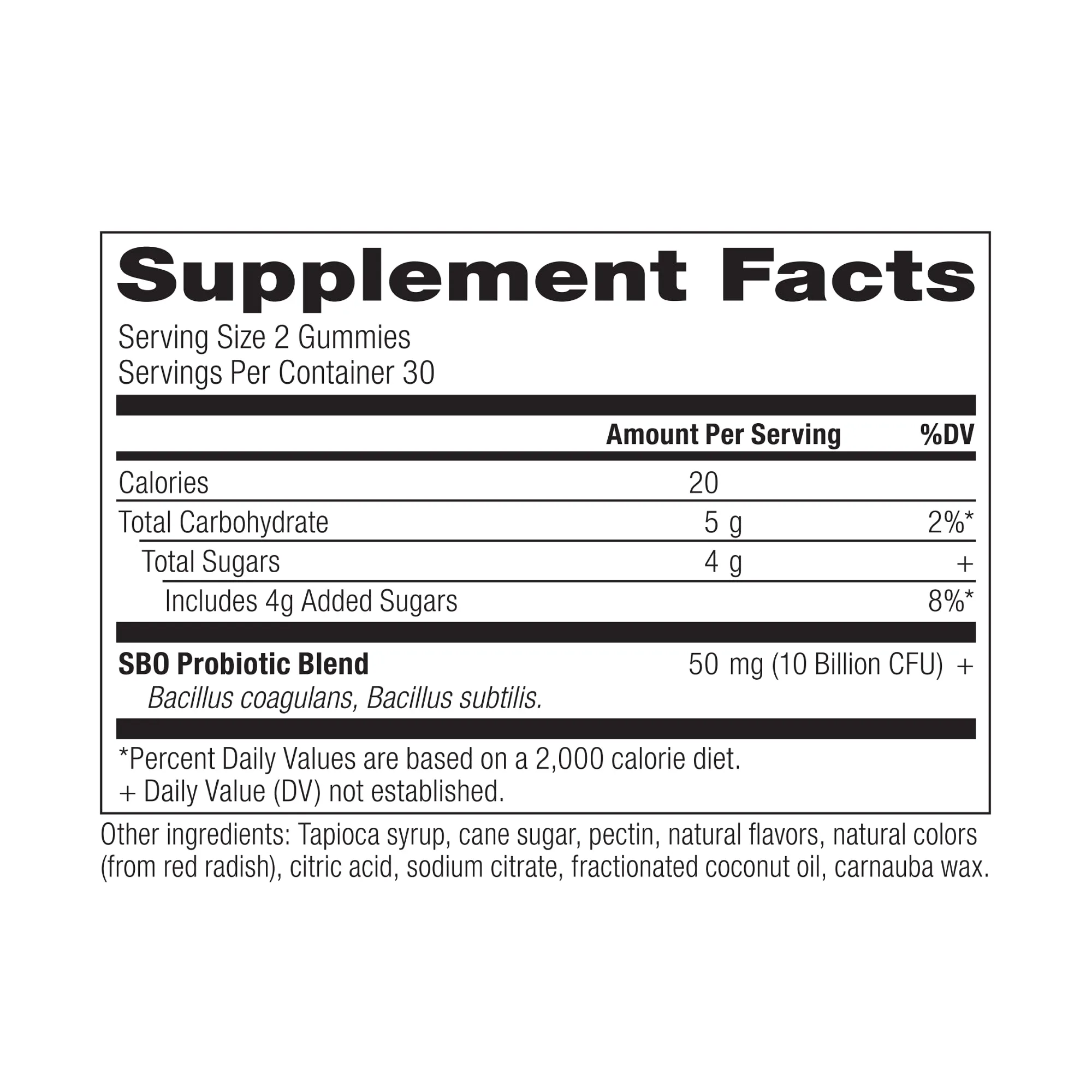
SBO Probiotics - Ancient Nutrition
- Take your multivitamin with a meal that includes healthy fats.
- Pair supplements with a nutrient-dense diet.
- Consider probiotics to improve absorption.
Choosing between a men's and women's multivitamin ultimately comes down to your individual health needs. By understanding the key differences and considering factors like age, lifestyle, and specific health goals, you can make an informed choice that supports your overall well-being. Explore our range of multivitamins to find the perfect fit for you.