Quick Answer
Mesh fabrics vary in weight, stretch, and openness, so the right choice depends on your project's need for visibility, breathability, or structure. For bag pockets, choose a coated mesh that resists fraying; for outdoor gear, a dense mini mesh offers durability without sacrificing see-through appeal.
Mesh fabric is a versatile material that shows up in bag pockets, activewear, and home accessories. Its open weave provides breathability and visibility, but not all meshes behave the same way. Understanding the differences helps you pick the right one and sew it with confidence.
This guide covers common mesh types, what they're good for, and practical sewing tips. We'll also look at two mesh options that work well for different bag-making scenarios.
Common Mesh Types and Their Uses
Standard mesh is lightweight and stretchy, often used for pockets where you want to see contents. It's soft and pliable, making it easy to sew into curved shapes. However, its openness can allow small items to poke through, so it's not ideal for holding pens or tools.
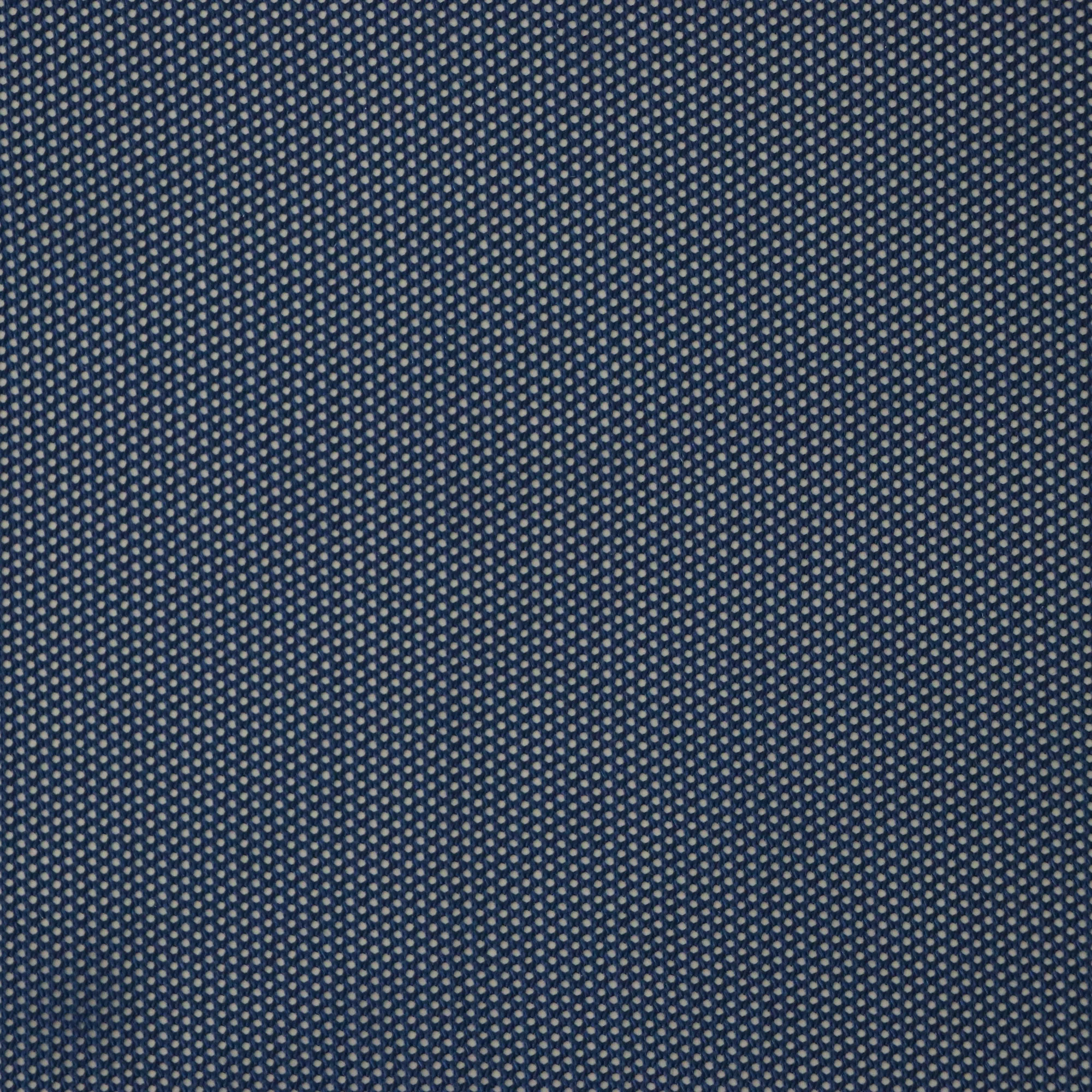
Mini mesh features a denser weave that blocks small objects while still offering semi-transparency. This makes it a stronger choice for travel bags, organizers, and outdoor gear where durability matters. It's also breathable, which suits sports apparel and accessories.
When choosing mesh, consider the weight and stiffness relative to your project. A softer mesh drapes nicely for garment accents, while a firmer mesh holds shape in structured bags. Always test how it behaves with your interfacing and hardware.
- For clear pockets that show contents, standard mesh works well.
- For durability and protection from small items, choose mini mesh.
Sewing Mesh: Techniques and Tips
Mesh can be slippery, but many varieties are specially coated to reduce shifting. Use a sharp needle (size 70/10 or 80/12) and a straight stitch or narrow zigzag. Test on scraps to adjust tension and stitch length.
Finish edges with binding or a rolled hem to prevent fraying. Mesh doesn't ravel like woven fabrics, but unfinished edges can catch or distort. When sewing mesh to other fabrics, pin or clip generously to keep layers aligned.
Press mesh with a low heat setting and a pressing cloth to avoid melting. Avoid high heat and steam, which can damage synthetic fibers. If you need structure, interface the surrounding fabric rather than the mesh itself.
Choosing Mesh for Your Project
Think about what the mesh will hold and how it will be used. For a bag pocket that stores small items like cords or brushes, a dense mini mesh prevents poking and wear. For a decorative overlay or a pocket for larger items, a lighter mesh may suffice.
Consider the visual effect: semi-transparency is key for seeing contents, but the level of see-through varies. Mini mesh offers a subtle see-through effect, while standard mesh is more transparent. Choose based on privacy needs and aesthetic preference.
Also factor in weight. A lightweight mesh adds little bulk, ideal for packable bags. A heavier mesh provides more structure but may require stronger seams. Balance these qualities with your project's demands.
Decision Rules for Choosing Mesh
- Project type: For bags that need visible pockets, choose a clear, lightweight mesh. For outdoor or travel gear, opt for a denser mini mesh. Match mesh density to the items you'll store.
- Sewing experience: If you're new to sewing mesh, pick a coated variety that resists slipping. Practice on scraps before starting your project. Coated mesh simplifies sewing.
- Durability needs: If your project will hold sharp or narrow items, choose a mini mesh with a tight weave to prevent poking. Dense mesh protects contents.
Mesh Options at Sallie Tomato
- ByAnnie's Mesh Fabric 18" x 54" White: Lightweight and a bit stretchy, this mesh is fabulous! Perfect for pockets on bags or anywhere you want to be able to see what you are storing. The mesh is specially coated to be less slippery and easy to work with, while still being soft and pliable. This coated mesh reduces shifting during sewing, making it beginner-friendly for clear bag pockets.
- 1 Yard Cut: Navy Mini Mesh: Our Mini Mesh is strong, lightweight mesh with a densely woven structure which makes it an ideal material for bags, apparel, home decor, and accessories that require a semi see-through effect and breathability. Unlike traditional mesh, cords, brushes, pens, and other small or narrow items will not poke through the mesh. This dense mini mesh adds durability and prevents small items from poking through, perfect for travel organizers and utility bags.
Which Mesh Fits Your Project?
Best for
- Bag makers who want clear, easy-to-sew pockets for visibility.
- Sewists creating travel organizers or outdoor gear that need durability and breathability.
Not for
- Projects requiring full opacity or heavy structure—consider vinyl or canvas instead.
- Applications needing stretchy, form-fitting fabric—choose a knit mesh instead.
Choosing the right mesh comes down to balancing visibility, durability, and sewability. For clear pockets, a coated standard mesh is a reliable pick. For rugged use where small items must stay put, a dense mini mesh offers peace of mind. Test a sample to see how it handles your machine and project needs.