Quick Answer
If you value tactile immersion and are willing to spend a bit more, metal coins like Stonemaier's custom packs dramatically enhance the feel of games like Scythe. If you prioritize portability, budget, or frequent play with mixed groups, cardboard tokens remain a practical, lightweight choice that gets the job done without fuss.
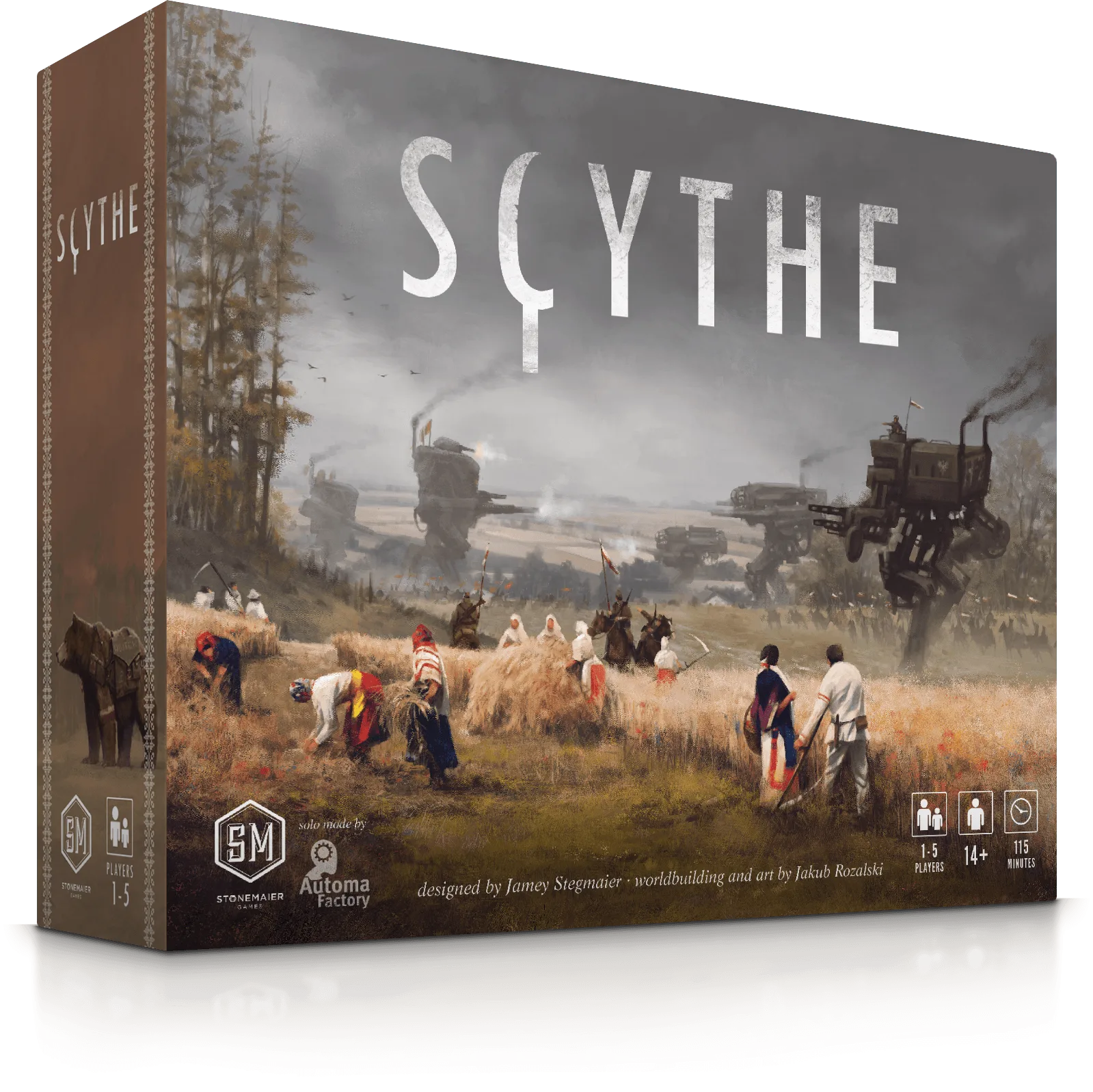
Scythe
When you're deep in a game of Scythe, does the weight of a metal coin in your palm change the experience? For many players, upgrading from cardboard tokens to metal coins is a satisfying leap in component quality. But it's not the right move for every game or every player.
This comparison looks at the real trade-offs: cost, durability, visual clarity, and table presence. We'll use Stonemaier Games' metal coin packs as a concrete example, but the principles apply to any board game money upgrade.
The Tactile and Visual Appeal of Metal Coins
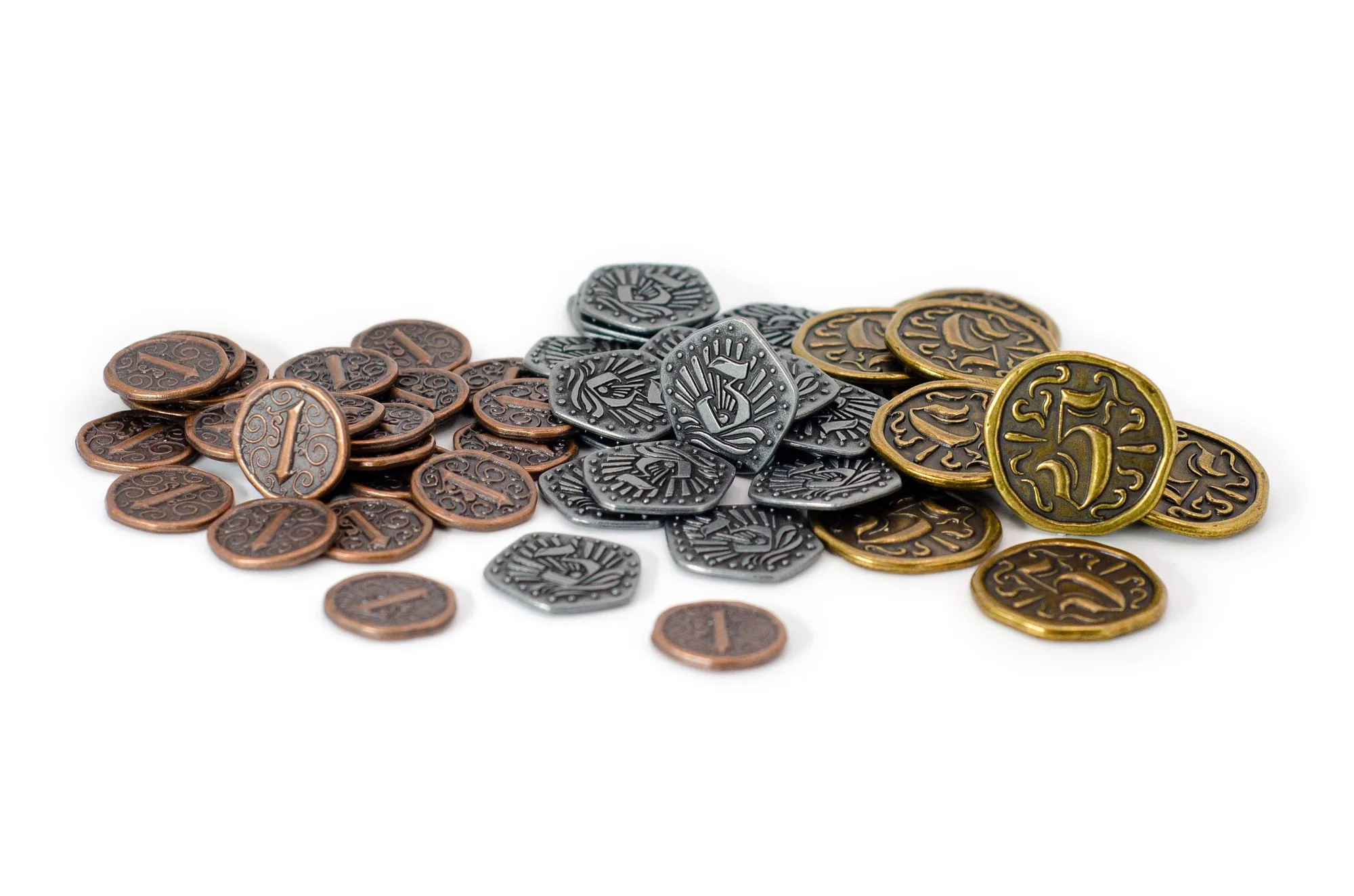
Metal coins bring a heft and shine that cardboard simply can't match. The custom art from Jakub Rozalski on the Stonemaier metal coins, for instance, turns a simple resource into a piece of the game's world. Players often report that metal coins increase immersion and make transactions feel more meaningful.
But that premium feel comes with trade-offs. Metal coins are heavier, which can be a downside if you travel with your games or have limited table space. They also cost more upfront—typically two to three times the price of a cardboard token set. And while they're durable, they can scratch if handled roughly, and they may not stack as neatly as cardboard.
The Practical Strengths of Cardboard Tokens
Cardboard tokens are the workhorse of board gaming. They're lightweight, inexpensive, and easy to replace if lost or damaged. They also come with the game, so there's no extra purchase needed. For games with lots of different denominations or frequent shuffling, cardboard punchboards are often more convenient.
However, cardboard tokens wear over time—edges fray, print fades, and they can be hard to pick up from a flat surface. They also lack the sensory feedback that many players enjoy. If you play the same game dozens of times, the initial savings might not outweigh the desire for a more durable, satisfying component.
Cost and Value: What Are You Really Paying For?
Stonemaier's 80 Metal Coins for Scythe & Expeditions retail at $17.50, compared to a $35.00 comparison price—a significant discount. That works out to about 22 cents per coin, which is competitive for metal coins. The set includes denominations of $1, $3, $5, $10, and $20, and the $5 coins have a distinct red hue to avoid confusion with the $10s.
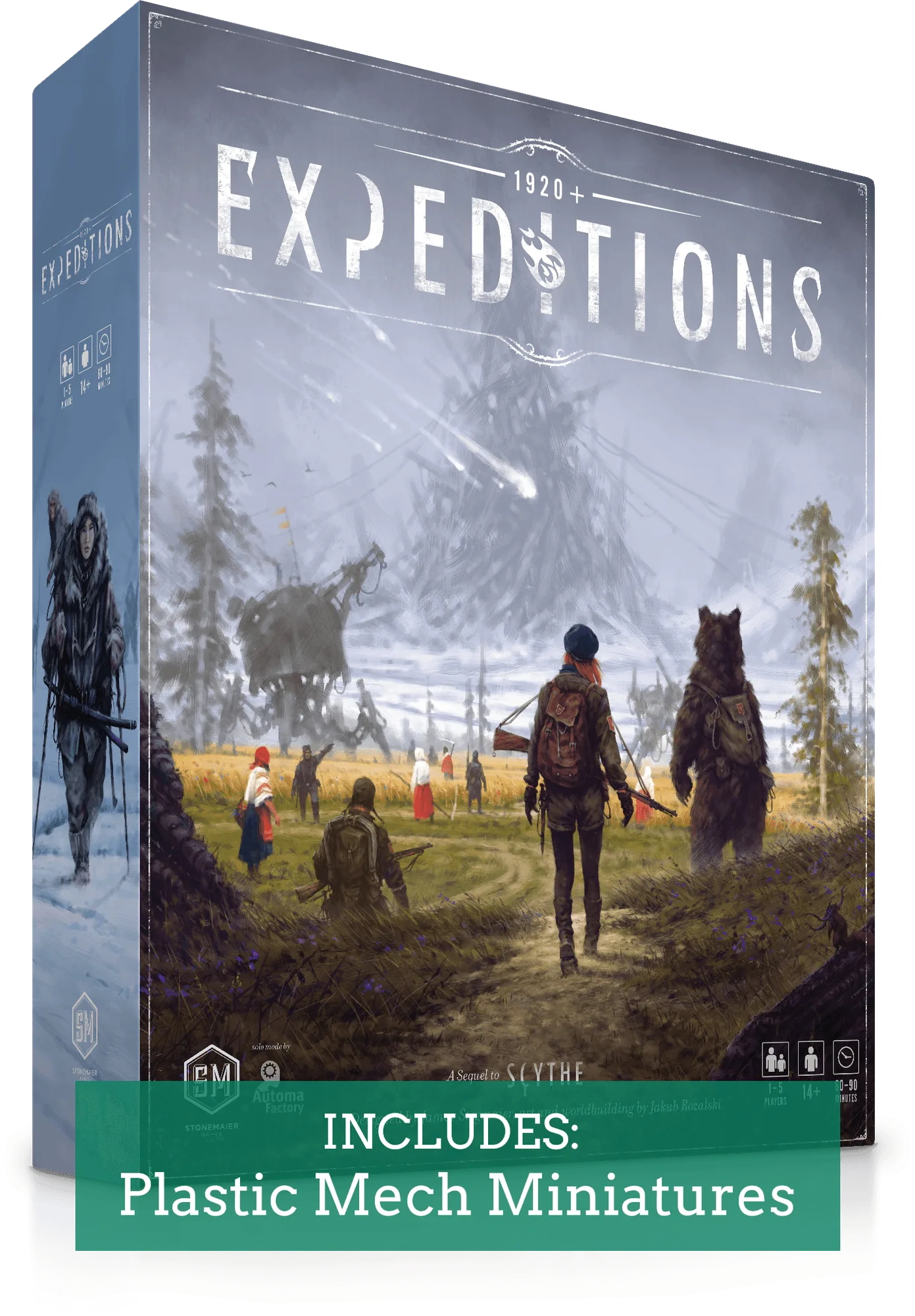
Expeditions
When you compare that to the cost of a cardboard token set (often $10–$15 for a similar number), the premium is clear. But metal coins last longer and can be reused across multiple games if the denominations match. If you play Scythe or Expeditions regularly, the per-play cost of metal coins can be lower than you think.
How to Decide: A Practical Checklist
Before you upgrade, ask yourself: How often do you play the game? If it's a once-a-year game night, cardboard tokens might be fine. If it's a monthly favorite, metal coins could be worth it. Do you play with children or in a noisy environment? Metal coins are easier to distinguish by feel and sound, but they're also more tempting to fidget with.
Consider storage: metal coins are heavier and may need a dedicated tray or bag to avoid damaging the box insert. Also, think about resale value—some collectors pay more for games with metal coin upgrades, but that's not a guarantee. Ultimately, the best choice depends on your priorities.
The Trade-Off: Metal vs. Cardboard
- Tactile experience: Metal coins offer satisfying weight and sound; cardboard is light and quiet. Choose metal if you value sensory feedback.
- Durability: Metal resists wear but can scratch; cardboard wears and may need replacement. Choose metal for long-term repeated plays.
- Cost: Metal coins cost more upfront; cardboard is often included or cheap to replace. Choose cardboard if budget is a primary concern.
- Portability: Metal adds weight and bulk; cardboard is light and easy to pack. Choose cardboard for travel or limited storage.
Stonemaier Metal Coins at a Glance
- 80 Metal Coins (Scythe & Expeditions): These 80 custom metal coins are designed specifically for Expeditions and Scythe by artist Jakub Rozalski. They include denominations of $1, $3, $5, $10, and $20. The only difference between this pack and the original Scythe metal coin pack is that the $5 coins now have a distinctly red hue to better differentiate them from the $10 coins. If you own both Scythe and Expeditions, this single pack covers both games, and the red $5 coins reduce misreads during fast-paced play.
- https://stonemaiergamesem.com/products/duel-of-meloch-metal-mechs-04b9e7abd7a582c4eac7bc91-898209Duel of Meloch Metal Mechs: This pack of 5 metal mech miniatures for Duel of Meloch includes 1 Expeditions mech, 4 Scythe mechs, and 5 silicon base snaps. While not coins, these metal mechs show the same design philosophy: upgrading components that you handle frequently can deepen immersion without changing game rules.
Which Upgrade Fits You?
Metal coins are best for
- Enthusiasts who play the same game regularly and want a premium feel
- Players who enjoy tactile immersion and don't mind the extra weight
Cardboard tokens are better for
- Budget-conscious players or those who play a wide variety of games infrequently
- Travelers who need to keep game boxes light and compact
Upgrading to metal coins is a personal choice that hinges on how much you value tabletop feel versus practicality. For Stonemaier fans, the 80 Metal Coins for Scythe & Expeditions offer a cost-effective way to elevate two popular games. But if you're happy with the cardboard tokens that came in the box, there's no shame in sticking with them—your game night will still be fun either way.