Quick answer
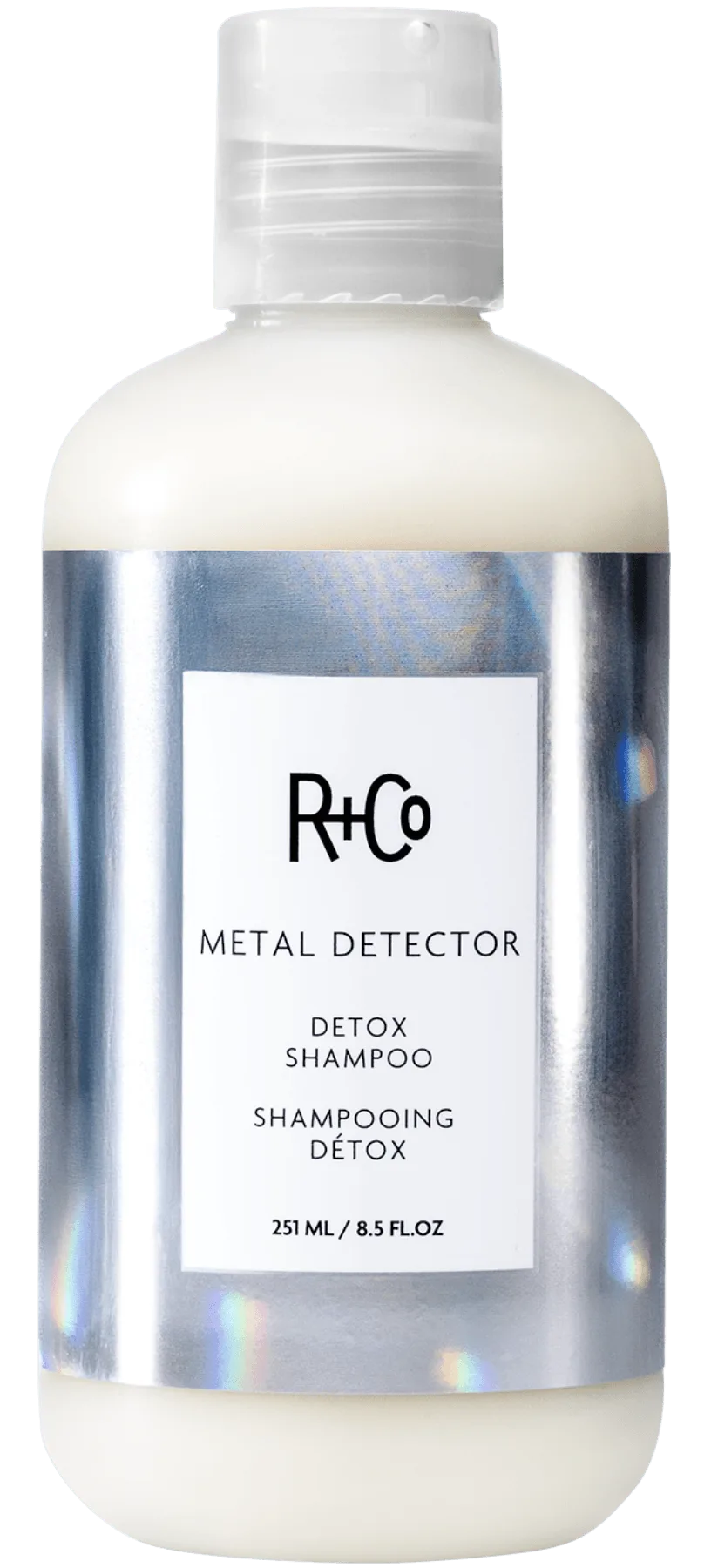
Reach for Metal Detector Detox Shampoo when your hair feels coated, dull, or weighed down by hard water minerals, heavy metals, excess sebum, and product residue. Use it as a targeted clarifying wash, not your daily cleanser, and follow with a hydrating conditioner or masque because clarifying can temporarily leave hair feeling drier. If your scalp is oily and your lengths are dry, focus the detox shampoo on the scalp and let the suds rinse through the ends.
Why a detox wash is different from a regular cleanse
A regular shampoo removes surface oil and daily grime. A detox or chelating wash goes further by helping neutralize impurities such as heavy metals, hard water minerals, and buildup that accumulate over multiple washes. Metal Detector Detox Shampoo uses a Metal Detox Complex and eco-friendly biosurfactants to cleanse the hair and scalp of unwanted impurities such as copper, lead, and iron, plus excess sebum and product residue. It is color-safe and formulated to cleanse without stripping, which matters if you color your hair or have a sensitive scalp.
The tradeoff is that a deeper cleanse can feel more astringent than your everyday shampoo. That is why timing and frequency matter more than the product itself. If you clarify too often, you can create dryness and rebound oiliness; if you never clarify, styling products, minerals, and sebum can keep conditioning ingredients from doing their job.
Signs your hair actually needs a clarifying wash
Clarifying is a response to a specific problem, not a weekly habit for everyone. The clearest signals are a coated or filmy feel right after washing, dullness that does not improve with a hydrating mask, and styling products that stop holding or start flaking. If you swim often, live in a hard water area, or use heavy leave-ins and oils, mineral and product buildup can accumulate faster.
A chelating shampoo for hair is especially useful when water quality is the culprit. Hard water minerals can leave a residue that makes hair feel rough and look less luminous, and standard shampoos may not fully address it. If your hair feels better after a shower filter or after washing with soft water, that is a strong clue that a detox wash belongs in your rotation.
How to build a detox wash into your routine
Start by replacing one regular wash with Metal Detector Detox Shampoo, then wait a few days and assess. Most people do well with one clarifying wash every one to three weeks, but frequency depends on your water, scalp oiliness, and how much product you use. If you have an oily scalp, you may need it closer to weekly; if your hair is dry or fine, stretch it out and rely on a gentle daily shampoo in between.
Pair the detox wash with a conditioner or masque on the same day. Because clarifying removes residue that can block conditioning ingredients, following with moisture helps restore softness and slip. If you use a leave-in or oil, apply it after the detox wash rather than before, so it is not stripped away.
What to avoid so you do not over-clarify
Do not use a detox shampoo as your everyday cleanser unless a professional recommends it for your specific situation. Over-clarifying can leave hair feeling dry, rough, or brittle, and it can make an oily scalp produce more oil as it compensates. Also avoid combining a detox wash with other strong treatments on the same day, such as a harsh scalp scrub or a high-percentage acid rinse, because the combined effect can irritate the scalp.
If your hair is heavily bleached, fine, or prone to tangling, test the detox wash on one wash day and note how your ends feel. If they feel straw-like, reduce frequency or limit the shampoo to the scalp and let the rinse water carry it through the lengths.
Your detox wash steps
- Step 1: Assess before you wash: Check whether your hair feels coated, dull, or weighed down, and whether you have hard water, heavy product use, or an oily scalp. If none of these apply, a regular shampoo is enough. Checkpoint: if your hair feels soft and clean after a normal wash, skip the detox this time.
- Step 2: Wet hair thoroughly and apply to the scalp first: Use warm water to open the cuticle and help the shampoo spread. Apply Metal Detector Detox Shampoo to the scalp and massage gently, then let the suds rinse through the lengths rather than scrubbing the ends. Common mistake: applying a large amount directly to dry ends, which can leave them feeling stripped.
- Step 3: Leave it briefly, then rinse completely: Give the formula a minute or two to work on minerals and residue, then rinse until the water runs clear. If you have a lot of buildup, you can repeat once, but do not keep layering more product. Checkpoint: if hair still feels coated after two cleanses, the issue may be your water or product layering, not how much shampoo you use.
- Step 4: Condition or masque on the same day: Follow with a conditioner or hydrating masque, focusing on the mid-lengths and ends. This replaces some of the moisture that clarifying can remove and helps prevent tangles. Common mistake: skipping conditioner after a detox wash because hair feels squeaky clean; that squeak is a sign you still need moisture.
- Step 5: Track frequency and adjust: Note how your hair feels over the next few days. If it gets oily quickly, you may need a detox wash closer to weekly; if it feels dry or rough, stretch the interval and use a gentler shampoo in between. Next step: if you color your hair, keep the detox wash in a once-every-two-to-three-week slot unless your stylist says otherwise.
Product facts
- METAL DETECTOR Detox Shampoo: Metal Detector Detox Shampoo gently helps neutralize impurities such as heavy metals, hard water minerals, and buildup, and is formulated with a Metal Detox Complex and eco-friendly biosurfactants to cleanse the hair and scalp of copper, lead, iron, excess sebum, and product residue. It is color-safe and formulated to cleanse without stripping. This makes it a targeted choice for clarifying hard water and product buildup without the harshness that can come from a stripping detox wash, and it is suitable for color-treated hair.