Quick answer
Treat a metal frame model kit like a precision tool, not a plastic toy. Keep it dry, dust it with a soft brush, lubricate joints sparingly with plastic-safe oil, and store it in a low-humidity display case. For the Motor Nuclear MNP-XH05W, pay extra attention to the Wei Wu coating and the metal frame's exposed joints, since both are the first places to show wear or oxidation.
Why metal frame kits need a different care routine
Metal frame model kits combine die-cast or metal alloy internal skeletons with plastic armor and coating. That mix changes what can go wrong. Plastic-only kits mainly suffer from dust, UV fading, and loose joints. Metal frames add two new risks: oxidation (rust or dulling) and joint fatigue from repeated posing. The Motor Nuclear MNP-XH05W is a limited edition with a Wei Wu coating, so its surface finish is part of its value. Abrasive cleaning or harsh chemicals can strip that coating, and moisture trapped in joints can start corrosion you won't see until the frame stiffens or discolors.
This guide gives you an ordered process you can repeat monthly or after any handling session. It assumes you already built the kit and want to keep it display-ready.
What you need before you start
Gather a soft anti-static brush, a microfiber cloth, plastic-safe lubricant (not WD-40 or general-purpose oil), a hygrometer if your display area is humid, and a sealed storage box with silica gel packs. Avoid paper towels, which can leave fibers and micro-scratches, and avoid any cleaner containing ammonia or alcohol on coated parts.
Step-by-step metal frame care routine
- 1. Dry-dust the frame before anything else: Use a soft anti-static brush to lift dust from the metal frame and coated armor. Work from top to bottom so debris doesn't fall into joints. Do not use water or spray cleaner at this stage. Checkpoint: if the brush leaves streaks on the Wei Wu coating, stop and switch to a microfiber cloth.
- 2. Inspect joints for stiffness or grit: Move each major joint slowly through its range. A grinding feel or squeak means dust or oxidation is inside. Do not force a stiff joint; that's how metal pegs bend or plastic sockets crack. Mistake to avoid: assuming stiffness is normal. On a metal frame, stiffness is an early warning.
- 3. Apply plastic-safe lubricant sparingly: Place one small drop of plastic-safe lubricant on a cotton swab and touch it to the joint pivot, not the surrounding armor. Work the joint gently to spread it. Wipe away any excess immediately. Checkpoint: if lubricant touches the coating, remove it with a dry cloth before it attracts dust.
- 4. Control humidity where the kit is displayed: Metal frames corrode faster in humid air. Keep the display area below 60% relative humidity if possible. Use a hygrometer to check, and add silica gel packs to enclosed cabinets. Mistake to avoid: storing the kit near a window, kitchen, or bathroom where humidity swings.
- 5. Handle with clean, dry hands or gloves: Skin oils and sweat are acidic and can dull metal and coating over time. Wash and dry your hands before posing, or wear nitrile gloves for long handling sessions. Checkpoint: after any handling, give the frame a quick dry-dust to remove fingerprints.
- 6. Store or display away from UV and heat: Direct sunlight fades coatings and warms metal, which can soften nearby plastic. Keep the kit in a shaded display case or a sealed box with silica gel when not on show. Mistake to avoid: long-term storage in a garage or attic with temperature extremes.
- 7. Log your maintenance and re-check quarterly: Note the date you cleaned, lubricated, or changed silica gel. Re-inspect every three months, or sooner if you live in a humid climate. Catching a dull joint early is much easier than reversing corrosion. Next step: set a phone reminder for your next quarterly check.
Product facts that affect care
- (Pre-Order) Motor Nuclear MNP-XH05W Zhao Yun & White Dragon Horse (Wei Wu Coating Limited Edition) Metal Frame Model Kit (ETA: October 2026): The Motor Nuclear MNP-XH05W Zhao Yun & White Dragon Horse is a limited edition metal frame model kit with a Wei Wu coating. The Wei Wu coating is a surface finish, so treat it like paint: no abrasives, no solvent cleaners, and no long soaking. Dust it dry and keep it out of direct sun.
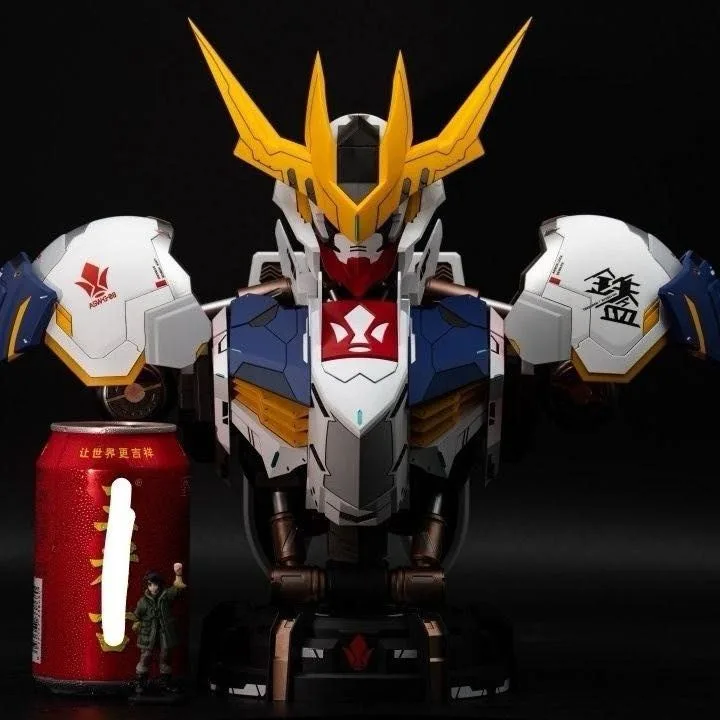
- 1/35 Barbatos Gundam Bust Model Kit: The 1/35 Barbatos Gundam Bust Model Kit by HAHA Workshop is a bust-style display piece. Bust kits have fewer moving joints than full frames, so they need less lubrication but still benefit from dust control and stable, low-humidity display.
- [Without Wing of Light] Changlong 7701 1/100 MGEX Strike Freedom Gundam Twilight Coating + Mechancial Clear Armor Version Model kit (Third Party, Not Original Bandai Kit): The Changlong 7701 1/100 MGEX Strike Freedom Gundam Twilight Coating + Mechanical Clear Armor Version is a third-party kit with ABS material and a movable base. Clear armor and coating show fingerprints and dust more readily, so the same dry-cleaning routine applies. The movable base means you can pose it without repeatedly handling the frame.