Quick answer
Buy the Metal Playing Card Storage Box if you keep a dozen or more decks you actually care about and want heavy-duty steel protection that shrugs off drops, dust, and humidity swings. Skip it if you only need to store a few decks or want something you can toss in a bag without noticing the weight. For most collectors with a growing shelf of Case Study Playing Cards, the 12-deck capacity and Los Angeles build make it a reasonable one-time purchase.
What the Metal Playing Card Storage Box actually protects against
This box is designed around one job: keeping a dozen decks safe. The heavy-duty steel construction and embossed brandmark give it a rigidity that cardboard and most plastic cases can't match, so it resists crushing when stacked or packed. The WWII-era supply canister inspiration isn't just aesthetic — that shape and latch style were built to survive rough handling, and the same logic applies here.
What it doesn't do is create a sealed microclimate. If you're chasing precise humidity control for long-term archival storage, a metal box alone won't regulate moisture the way a dedicated humidor or silica-pack setup would. Think of it as physical protection first, environmental control second.
Metal box vs. tin vs. cardboard: what changes in practice
Cardboard deck boxes are cheap and light, but they dent, absorb moisture, and offer almost no crush resistance. Tins are better at keeping dust out, yet many are thin enough to flex and can transfer dents to the decks inside. The Metal Playing Card Storage Box sits at the other end: it's heavier, it doesn't flex, and it's built to house a dozen decks rather than one or two.
That capacity matters more than people expect. If your collection is scattered across shoeboxes and drawer corners, consolidating into one rigid box makes it easier to see what you own and reduces the chance of a deck getting bent at the bottom of a pile. The trade-off is that you can't grab a single deck without opening the whole box.
How to decide based on your collection size
The clearest decision rule is deck count. If you own fewer than six decks you handle regularly, a smaller case or even the original tuck boxes will do the job without the weight and footprint. If you're past ten decks and some of them are out of print or hard to replace, the 12-deck capacity starts to look less like overkill and more like the right size.
Consider where the box will live. On a shelf or in a cabinet, the steel construction is a straightforward upgrade. If you need to carry decks to meetups, weigh the box empty first — heavy-duty steel is not a travel-friendly material, and you may prefer a lighter case for transport while keeping the metal box at home as your main storage.
A note on humidity and long-term storage
Metal doesn't breathe, so a closed steel box can slow sudden humidity changes but won't eliminate them. If your storage area swings between damp and dry, pair the box with a stable location — an interior closet rather than a garage or basement — and consider a small desiccant pack inside if you live in a humid climate. Check the decks every few months rather than assuming the box solves everything.
This is also where the box's design helps: because it holds a dozen decks together, you can inspect the whole set in one sitting instead of hunting through separate boxes. That routine is more useful for catching warping or mold early than any single storage material.
Decision rules for buying the Metal Playing Card Storage Box
- If you own 10 or more decks you want to keep in one place: The 12-deck capacity and rigid steel body make this a sensible consolidation tool. It replaces a pile of loose boxes with one protected unit. Buy it as your primary home storage.
- If you need to carry decks to gigs or meetups: Heavy-duty steel is durable but heavy. A lighter case or a small deck bag will be easier on your shoulder for transport. Keep the metal box at home and use a lighter case for travel.
- If humidity control is your main concern: A closed metal box slows humidity swings but doesn't regulate them. Store it in a stable interior space and check decks periodically. Pair with a desiccant pack in damp climates; don't rely on the box alone.
- If you only own two or three decks: The capacity and price are hard to justify when a simple deck box or the original tuck boxes already do the job. Wait until your collection grows before buying.
Product facts
- Metal Playing Card Storage Box: Originally released in 2012, the Metal Playing Card Storage Box is inspired by vintage WWII supply canisters and manufactured in Los Angeles by Angell+Giroux Inc. It is designed to house a dozen playing cards and made from heavy-duty steel. The 12-deck capacity and steel build explain the weight and footprint: this is a home-base storage box, not a pocket case. The Los Angeles manufacturing and canister design also clarify why it costs more than a typical tin.
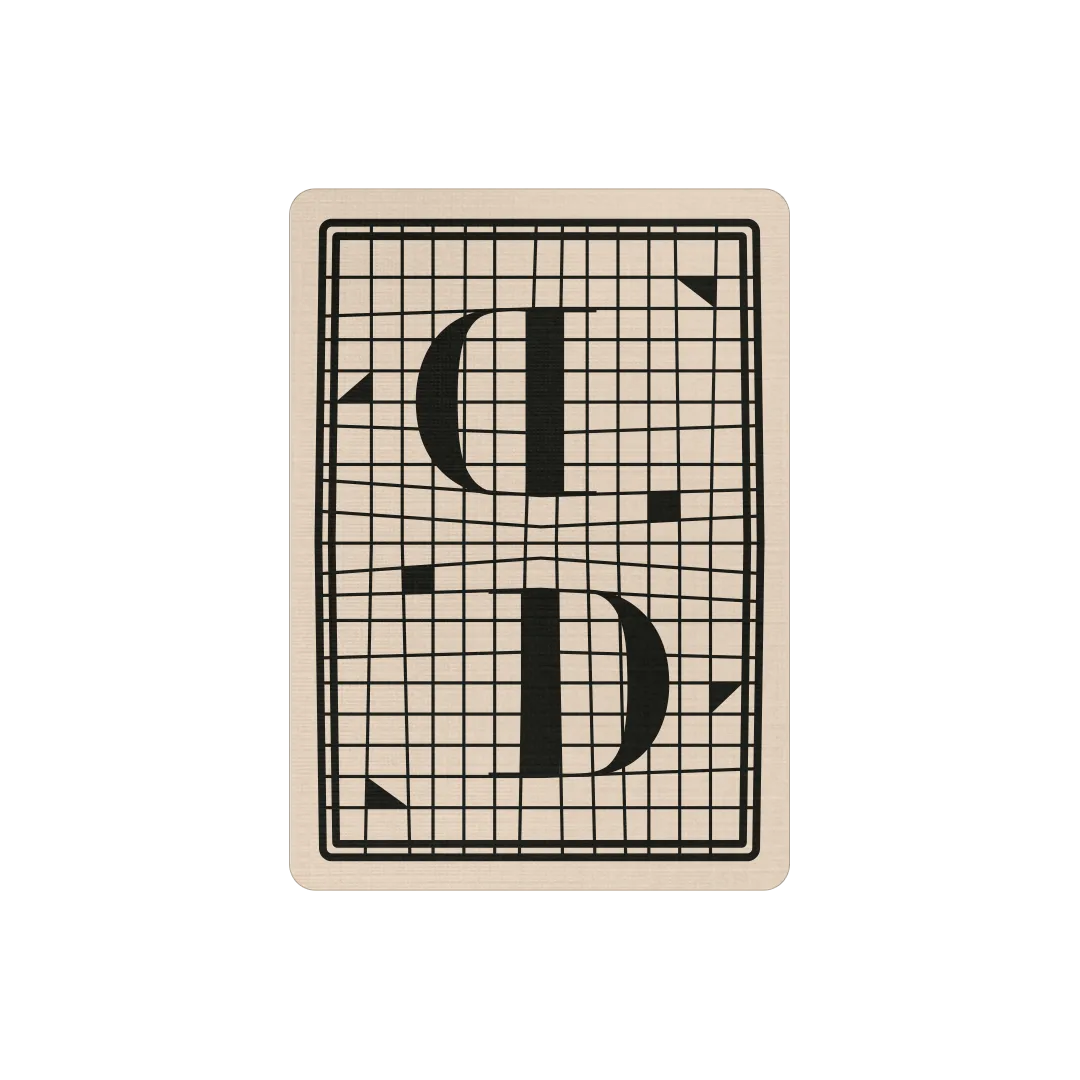
- Version 10: Case Study Playing Cards Version 10 includes 52 regulation playing cards, 2 jokers, and 2 info cards measuring 3.5 x 2.5 inches, printed in China on Japanese paper and pressed to Dan and Dave's specifications. Standard 3.5 x 2.5 inch decks are what the storage box is sized around, so Version 10 fits without extra sleeves or inserts. If you already own several Case Study decks, the box's capacity matches how these decks are typically collected.
- Version 12: Case Study Playing Cards Version 12 offers 52 regulation playing cards, 2 jokers, and 2 info cards at 3.5 x 2.5 inches, printed in China on Japanese paper and pressed and finished to Dan and Dave's exact specifications. Because Version 12 uses the same standard dimensions, it stores alongside Version 10 without needing separate protection. That consistency is what makes a multi-deck box practical for a Case Study run.
Who should buy it
Best for
- Collectors with a dozen or more standard-size decks who want one rigid, protective home for them
- Anyone storing Case Study Playing Cards or similar 3.5 x 2.5 inch decks long-term
- Buyers who value heavy-duty steel construction and don't mind the weight
Not for
- Traveling magicians or cardists who need a light, portable case
- Collectors with only a few decks who don't need 12-deck capacity
- Anyone expecting the box to actively control humidity without additional measures