Quick answer
For most piecing, press with an iron or mini iron because heat sets a crease that stays put through the next seam. Reach for a metal press plier tool when you want to finger-press a seam flat at the machine without standing up, or when you are working with small units where a full iron is awkward. The plier is a supplement, not a replacement.
What each method actually does to a seam
Hand-pressing quilt seams means using your fingers or a seam roller to push the seam allowance to one side. It flattens the fabric enough to check alignment and move on to the next piece, but it does not set a crease the way heat does. The seam can shift again as you handle the block.
A metal press plier tool applies concentrated pressure along a short section of seam. You clamp the plier over the seam allowance and press down, which flattens the fold without heat. It is faster than walking to the ironing board and more controlled than a fingernail, especially on narrow seam allowances where your fingers cannot get a clean grip.
When the plier saves you real time
Chain piecing is where the plier earns its keep. You can press each unit flat at the machine, stack it, and keep sewing without breaking your rhythm. That matters on projects with dozens of identical units, such as half-square triangles or four-patch blocks.
The plier also helps when you are assembling a block and need to check that seams nest before committing to the iron. Pressing with the plier lets you test the layout, adjust, and only then set the final press with heat.
Where hand-pressing and irons still win
Heat sets a crease. If you are pressing a long seam on a quilt top, or you need a crisp fold that will survive handling and quilting, an iron or mini iron does something the plier cannot. Hand-pressing with a roller is also better for delicate fabrics or bulky intersections where a plier might leave a hard edge.
For final pressing before quilting, use heat. The plier is for the piecing stage, not the finishing stage.
How to press seams for quilting without overworking them
Press, do not iron. Whether you use a plier or an iron, the goal is to set the seam, not stretch the fabric. With the plier, clamp and release rather than dragging. With an iron, lift and place rather than sliding.
Press the seam flat first to set the stitches, then press it to one side. This two-step habit reduces distortion and keeps your blocks square.
Trade-offs at a glance
- Speed at the machine: The metal press plier tool lets you press a seam flat without leaving your sewing chair. Hand-pressing with fingers is free but less consistent. Choose the plier if you chain piece in long sessions.
- Crease durability: Heat from an iron sets a crease that survives handling. A plier or finger press flattens the seam but does not lock it in. Use heat for final pressing and for long seams.
- Fabric safety: A plier applies direct pressure, which can leave a hard edge on bulky intersections or delicate fabrics. An iron with steam can shrink or distort some materials if used carelessly. Test on a scrap first, whichever method you choose.
Tools that support each method
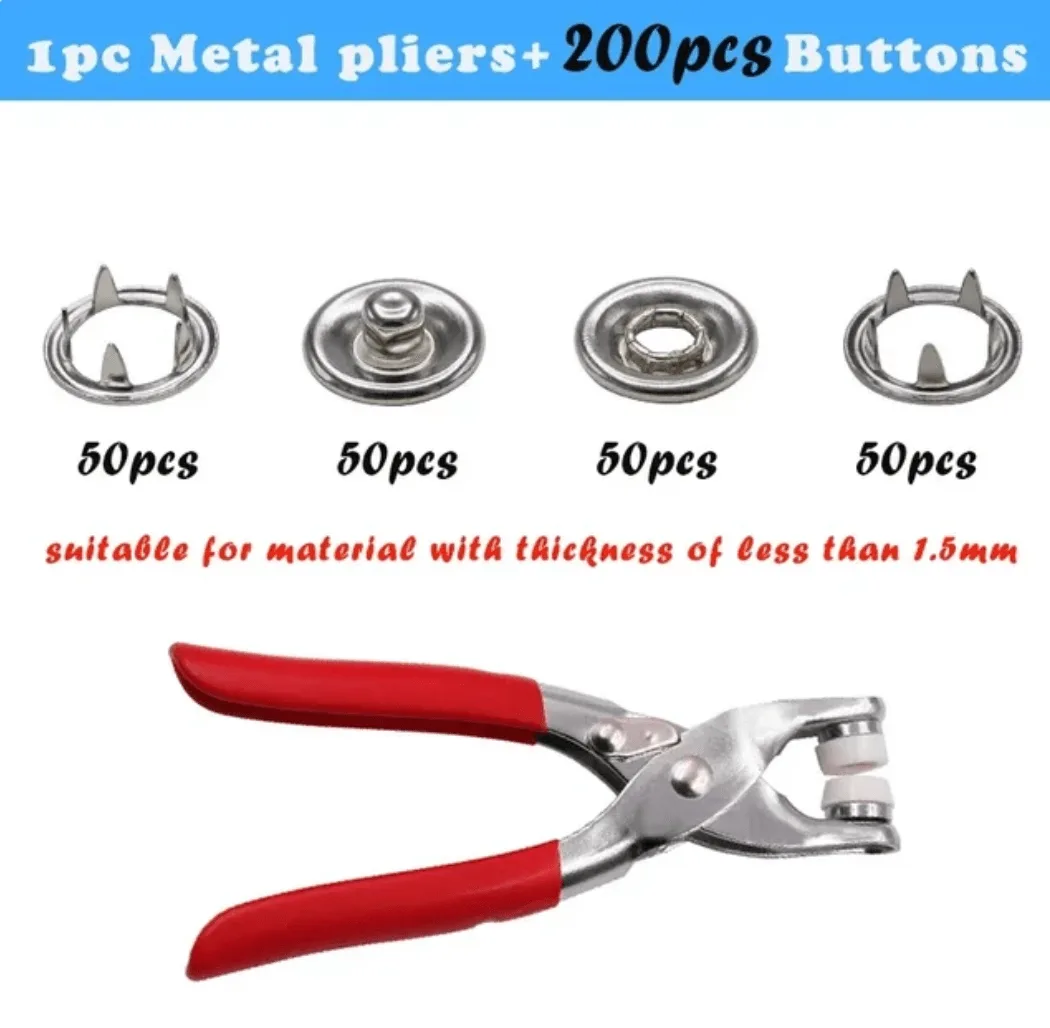
- Metal Press Plier Tool: Thickened five-claw buckle set made from stainless steel, with ergonomic pliers designed for durability and comfort. If you want a plier that can handle repeated clamping without hand fatigue, this set gives you the pressing tool plus five-claw buckles for other craft tasks.
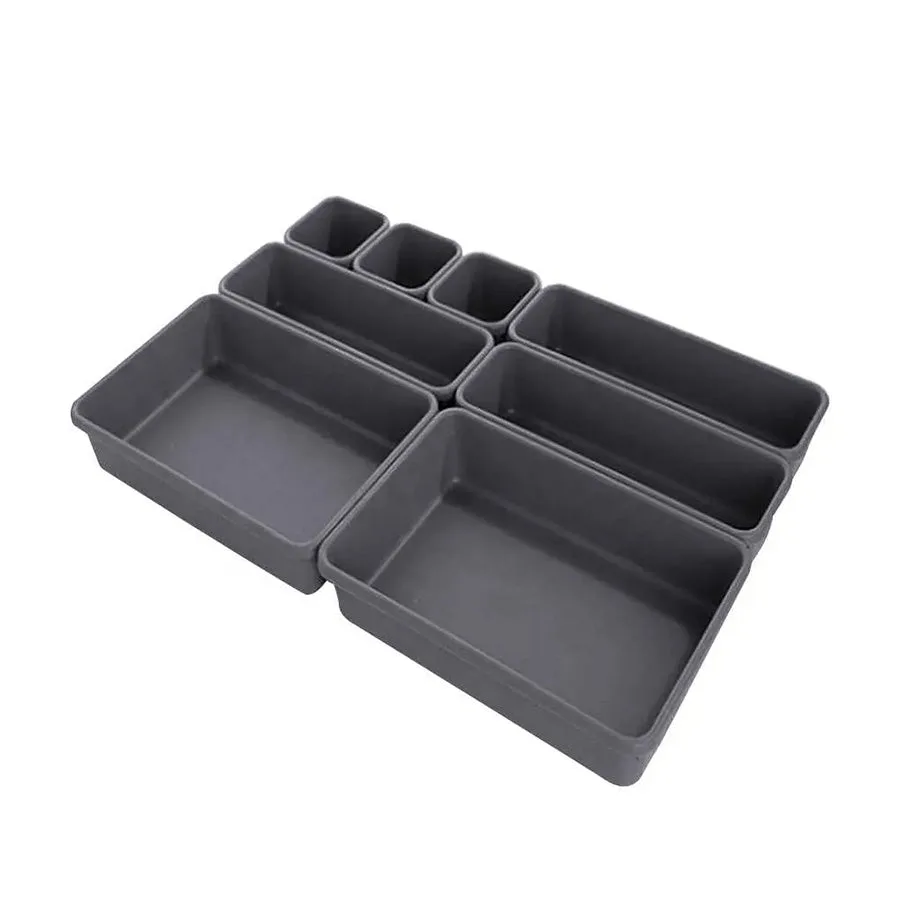
- Quilting Organizer For a Drawer: Drawer organizer with three sizes and eight pieces, designed to keep quilting and sewing tools neatly arranged. A dedicated spot for your plier, roller, and pins means you actually use the tool instead of digging for it mid-project.
Which method fits your quilting?
Best for
- Quilters who chain piece and want to press seams flat without standing up
- Small units and narrow seam allowances where fingers cannot get a clean grip
- Checking seam nesting before a final press with heat
Not for
- Final pressing before quilting, where heat is needed to set a crease
- Delicate or bulky fabrics that could be marked by hard pressure
- Quilters who already have a mini iron within arm's reach and prefer heat at every stage