Quick answer
For most everyday bags, nylon coil zippers are the practical pick: they flex around curves, resist bending, and come in a huge range of colors to match your fabric. Choose metal zippers when you want a dressier look and a sturdier feel on straight runs or heavy-duty bags. If you are unsure, start with nylon coil for your first bag and switch to metal for statement pieces.
Zippers are one of the few bag components you interact with every time you use the bag, so the choice between metal and nylon coil matters more than it might seem. The right pick depends on your bag style, how much structure you want, and the look you are after.
This comparison focuses on what actually changes in the making: how each zipper behaves when sewn, how it wears, and which fabrics and pulls pair well. You will also see specific product examples from our shop to make the decision concrete.
How metal and nylon coil zippers differ
Metal zippers use individual metal teeth attached to a fabric tape. They feel solid, have a satisfying weight, and typically hold up well to repeated use. Because the teeth are rigid, metal zippers do not bend as easily around tight curves, which can make them trickier to install on curved openings. They also add a bit of weight to the finished bag.
Nylon coil zippers are made from a continuous plastic coil sewn onto the tape. That coil is flexible, so it follows curves smoothly and resists kinking or bending out of shape. Coil zippers are generally lighter and available in a wider range of colors, including many that match or contrast with your fabric. The trade-off is that they can feel less substantial than metal, and very heavy loads may stress the coil over time.
- Metal zippers: better for straight runs, heavy-duty use, and a premium look.
- Nylon coil zippers: better for curves, lightweight bags, and color matching.
Installation and sewing considerations
Sewing a metal zipper often requires a zipper foot and a bit of care to avoid hitting the teeth with your needle. The rigid teeth can also create bulk in seams, so you may need to plan your seam allowances accordingly. On the plus side, metal zippers tend to stay put once sewn and do not shift as much during installation.
Nylon coil zippers are more forgiving. You can sew closer to the coil, and the flexibility means less fighting with the fabric on curves. They also tolerate being pressed lightly, though you should still avoid direct heat on the coil. For beginners, coil zippers are usually the easier starting point.
- Use a zipper foot for both types to get close to the teeth or coil.
- For metal zippers, lengthen your stitch slightly to avoid needle deflection.
Durability and wear over time
Metal zippers are often chosen for their durability, especially on bags that will be opened and closed frequently or carry heavier contents. The metal teeth resist wear and can handle more tension than coil. However, metal can corrode over time if exposed to moisture, and a bent tooth can be difficult to repair.
Nylon coil zippers are quite durable for normal use. The coil is resistant to corrosion and can take a fair amount of flexing without breaking. If a coil zipper does get damaged, it is often easier and cheaper to replace than a metal zipper. For most bags, a quality coil zipper will outlast the bag itself.
- Metal: excellent for heavy use, but keep away from prolonged moisture.
- Coil: great all-round durability, especially for bags that flex.
Aesthetic and design choices
Metal zippers bring a polished, upscale look. Finishes like bronze, gunmetal, gold, and rose gold can become a design feature, especially when paired with matching hardware. They work well on structured bags, leather or faux leather, and bags where the zipper is meant to be seen.
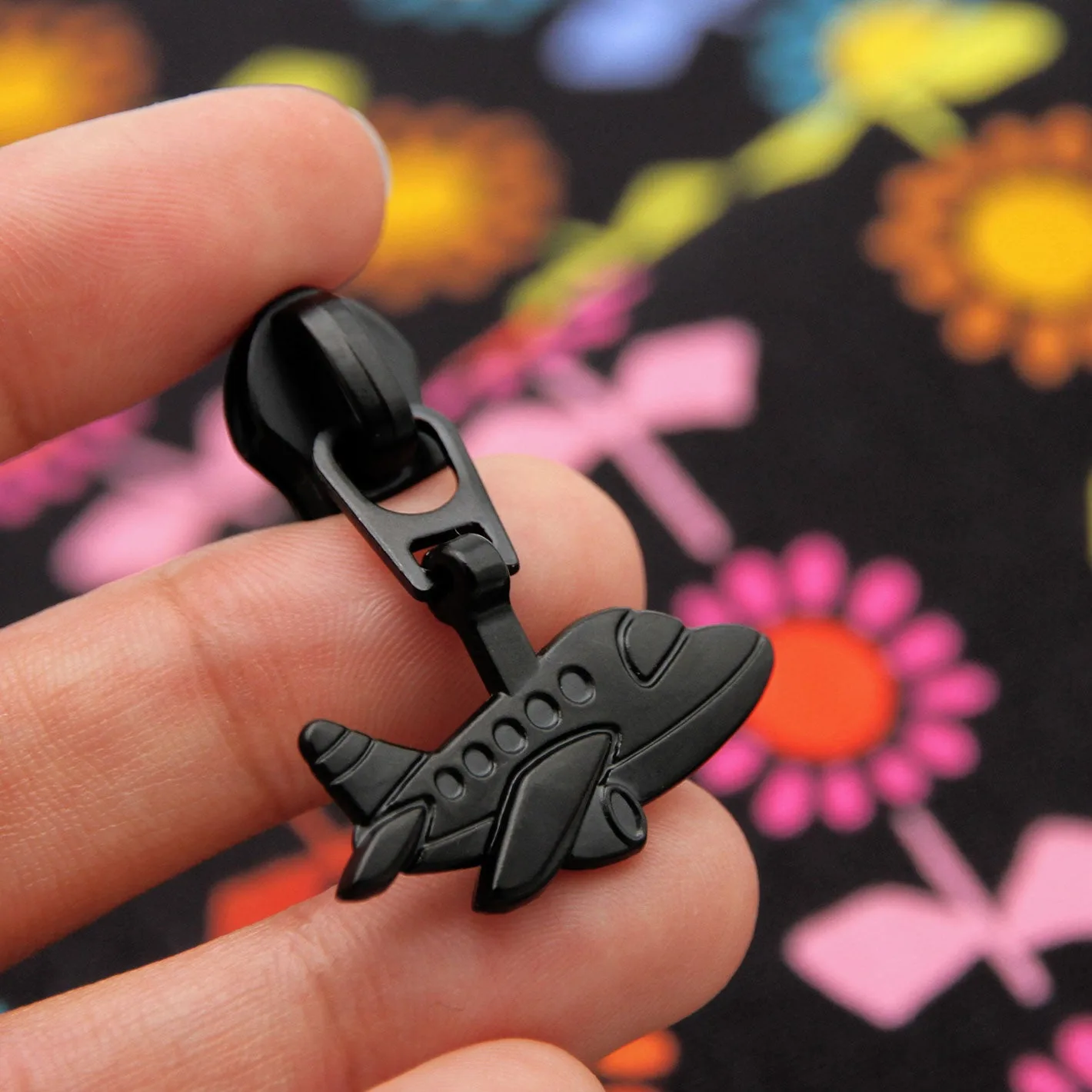
Nylon coil zippers offer a more casual, sporty vibe and an enormous color range. You can match the zipper to your fabric for a subtle look or use a contrasting color as a pop. Printed and novelty coil zippers can add personality to kids' bags, pouches, and casual totes. For a cohesive design, consider the zipper pull as well—our Size #5 pulls like Love You More Pulls and Come Fly With Me Pulls fit our #5 zipper tape and attach in seconds from either end.
- Match metal finish to your bag's hardware for a cohesive look.
- Use coil zippers to add color or keep the zipper discreet.
Matching zipper type to your fabric
The fabric you choose can guide your zipper decision. For a structured bag like one made with Flirtini - Midweight Water Resistant Canvas, a metal zipper complements the sturdy feel. This 600 Denier polyester canvas has a clear PU back coating and holds its shape confidently, so it can support the weight of metal teeth without sagging.
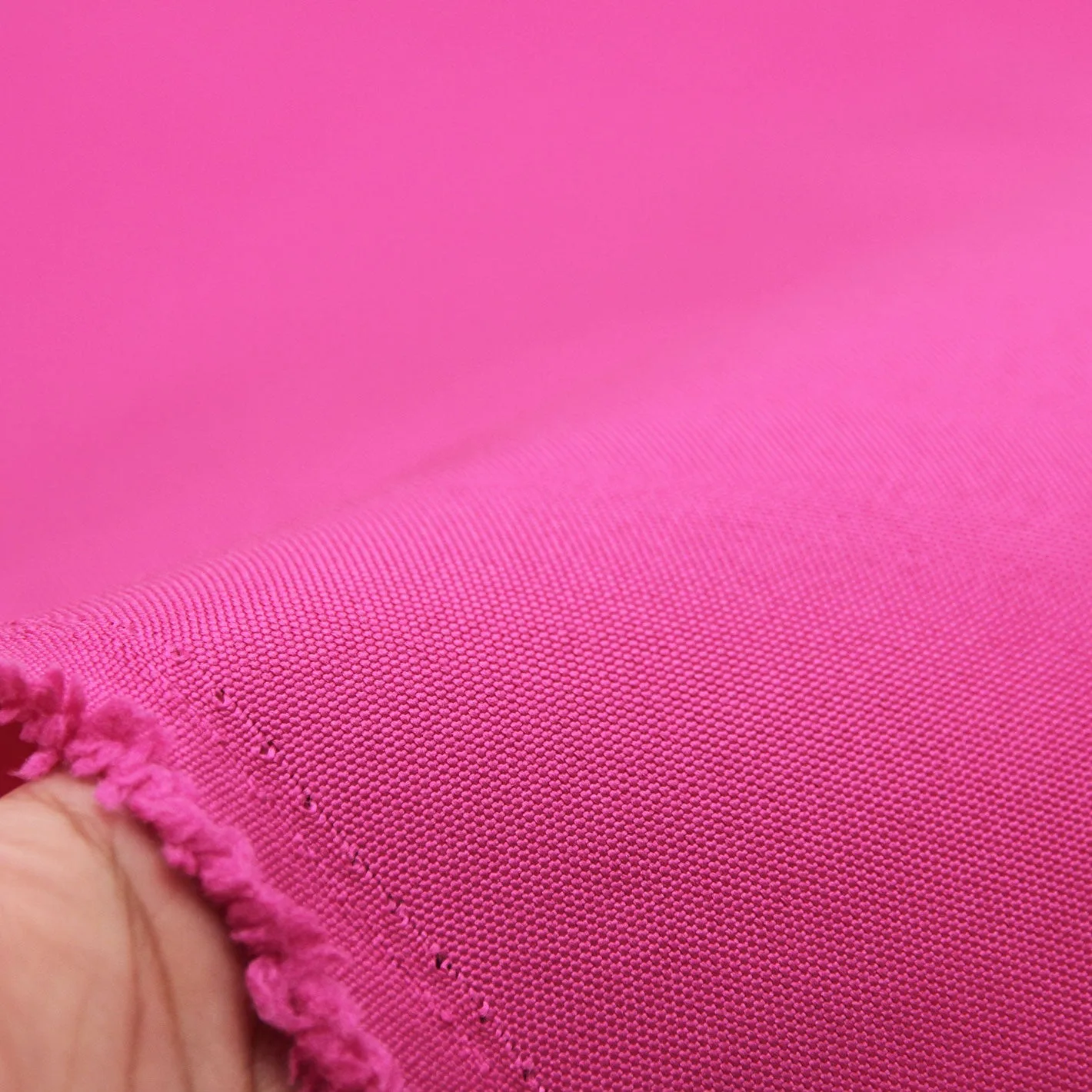
Flirtini - Midweight Water Resistant Canvas
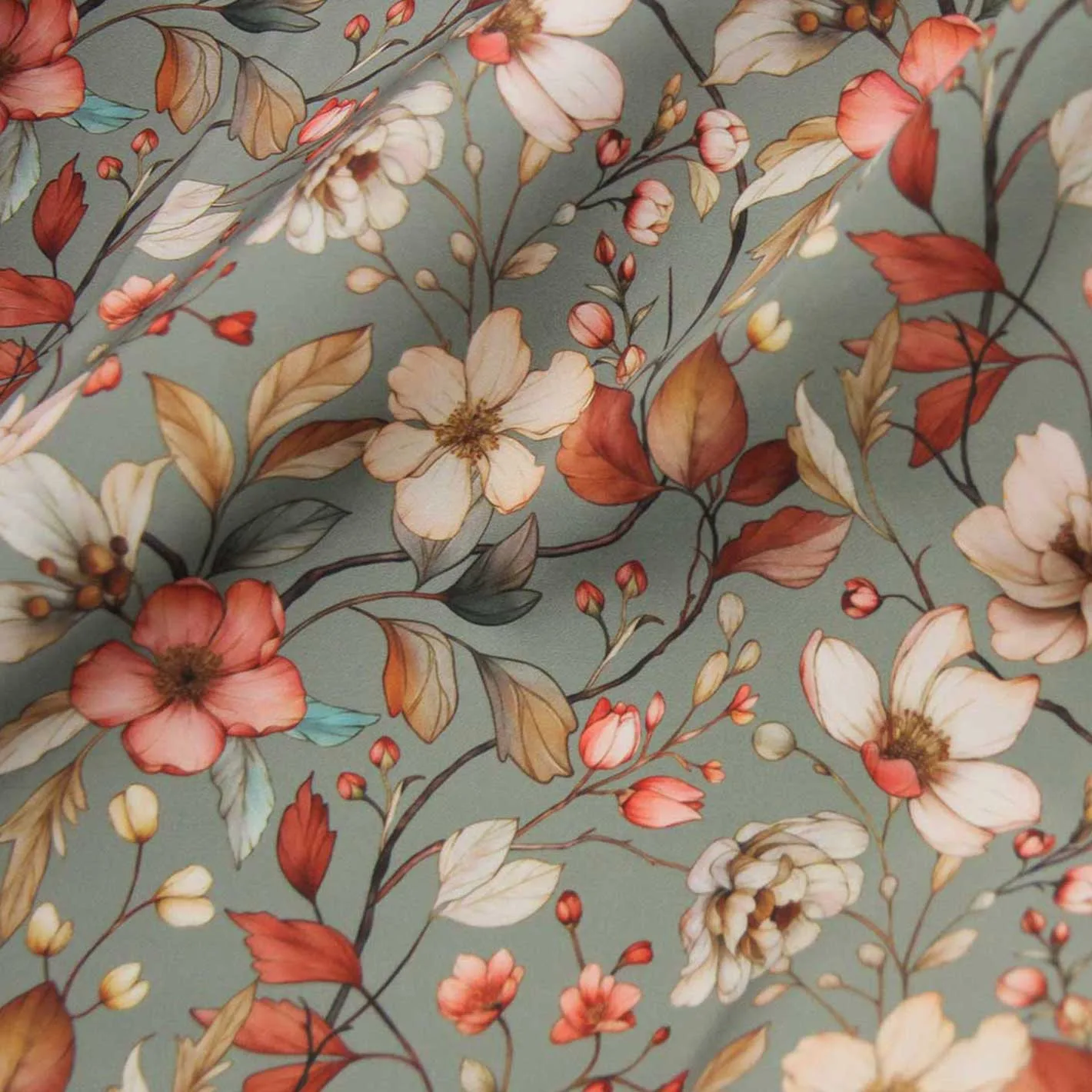
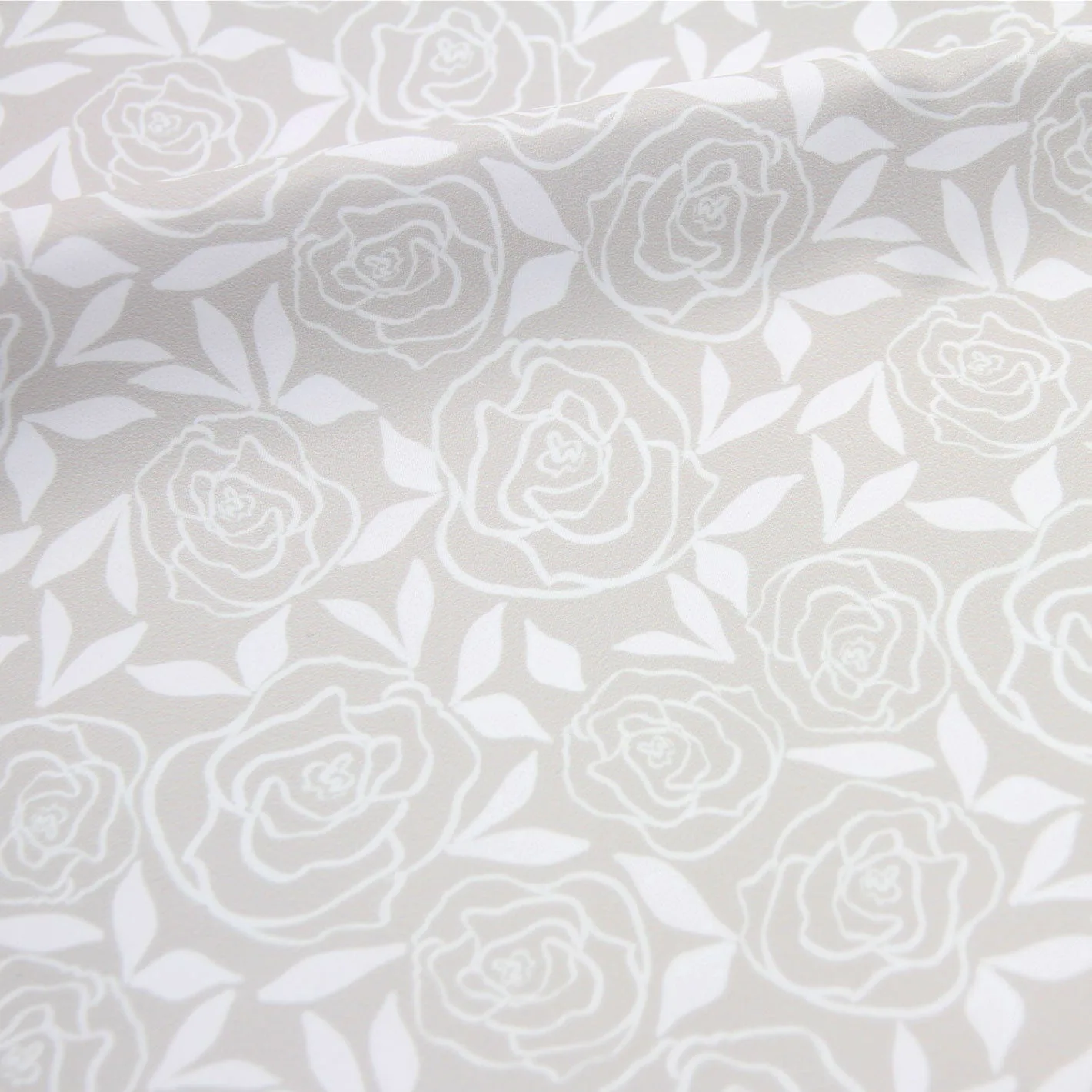
For a softer, more flexible bag, nylon coil is often the better partner. DayFlex fabrics, such as Quiet Garden - DayFlex Fabric or Woodland Fable - DayFlex Fabric, are bonded poly-nylon that is super smooth, water-repellent, and suitable for both exteriors and linings. The flexibility of coil zippers pairs well with the drape of these fabrics, especially on curved openings.
- Structured canvas + metal zipper = polished, durable combo.
- Flexible DayFlex + nylon coil = easy sewing and a soft finish.
Trade-offs at a glance
- Metal zippers: Sturdier feel and upscale look, but heavier and less flexible on curves. Requires more care when sewing. Choose metal for structured bags, heavy use, and when you want the zipper to stand out.
- Nylon coil zippers: Lightweight, flexible, and available in many colors. Easier to sew on curves and more forgiving for beginners. Choose coil for everyday bags, curved openings, and when you want color matching or a casual vibe.
- Zipper pulls: Size #5 pulls like Love You More Pulls and Come Fly With Me Pulls fit our #5 zipper tape and attach in seconds from either end. You can use the same pull on either zipper type, so pick the zipper first and the pull second.
Product facts to know
- Love You More Pulls - Size #5: Fits our #5 zipper tape and attaches in seconds – from either end – so you can make single or double-pull zippers without breaking a sweat. Size #5 non-locking pulls. Shiny, durable, and made to last. These pulls work with both metal and nylon coil #5 zippers, giving you flexibility in your zipper choice without changing the pull.
- Come Fly With Me Pulls - Size #5: Fits our #5 zipper tape and attaches in seconds – from either end – so you can make single or double-pull zippers without any turbulence. Size #5 non-locking pulls. Shiny, durable, and made to last. A fun option that proves you can customize the look of either zipper type with a simple pull swap.
- Flirtini - Midweight Water Resistant Canvas: 600 Denier polyester canvas with a clear PU back coating. Heavier and more structured than our Lightweight WRC, it's built to handle everyday wear and tear without losing its shape. Works great for bag exteriors and linings. This structured canvas can support metal zippers well, making it a good match for a durable, upscale bag.
- Quiet Garden - DayFlex Fabric: Bonded poly-nylon that's super smooth, water-repellent, and perfect for both bag exteriors and linings. The bonded lining adds stability and smoothness. Its flexibility and smoothness make it a natural fit for nylon coil zippers, especially on curved or soft bags.
Which should you choose?
Best for
- Everyday bags, pouches, and curved openings where flexibility matters.
- Beginners who want an easier installation and a wide color range.
- Casual or sporty designs where you want to match or contrast the zipper with the fabric.
Not for
- Heavy-duty bags that will see constant use and heavy loads—consider metal instead.
- Formal or structured bags where a metal zipper would better complement the design.
- Projects where you want the zipper to be a focal point with a premium finish.
There is no single right answer for every bag. Let the bag's style, the fabric's structure, and how you want the zipper to look and feel guide you. If you are still unsure, start with a nylon coil zipper for your next project and try a metal zipper on a structured piece to see the difference for yourself.