Quick answer
Choose faux leather when you want a structured, moisture-resistant exterior that wipes clean and holds its shape in bags, straps, and wallets. Choose microsuede when you need a soft, pliable hand and a matte, fabric-like finish for linings, accents, or slouchy designs. If you can only buy one, faux leather is the more forgiving all-rounder for bag exteriors.
How the two materials behave at the machine
Microsuede is a woven or knit fabric with a brushed surface, so it feeds under the presser foot much like a medium-weight cotton or twill. It does not require a special needle, but a fresh universal or microtex needle keeps the pile from snagging. Faux leather has a smooth, slightly tacky face and a knit or woven backing; it can drag against the machine bed, so a walking foot or a strip of tissue paper under the seam helps it glide. Both materials can be pressed, but only from the wrong side on low heat — a hot iron will melt or glaze the surface.
Durability where bags actually wear out
Bag failures usually happen at strap anchors, zipper ends, and bottom corners. Faux leather resists moisture and surface abrasion, which makes it a strong candidate for those stress points. Microsuede is softer and more prone to pilling or flattening with heavy rubbing, so it is better used on panels that do not scrape against counters or clothing. If you are making a daily-carry tote, put faux leather at the base and handles and save microsuede for a decorative pocket or lining.
Care and cleanup differences
Faux leather is easy to maintain: a damp cloth with mild soap removes most marks, and the material does not absorb spills the way a fabric does. Microsuede is not stain-proof. It absorbs liquids, holds dust, and often needs a fabric protector or a gentle brush to restore the nap. For a bag that will see rain, coffee shops, or a commute, faux leather is the lower-maintenance choice. For a special-occasion clutch or a pouch that stays inside another bag, microsuede's softness is worth the extra care.
Microsuede sewing tips that prevent bulk
Microsuede frays less than woven cotton but can still shed fibers, so finish seam allowances with a zigzag or serger. Reduce bulk at corners by trimming the seam allowance after sewing and before turning. Use a slightly longer stitch length — around 3.0 mm — to avoid perforating the fabric. Because microsuede is pliable, it does not need interfacing for simple pouches, but a lightweight fusible can add body if you want a more structured shape. Always test on a scrap, since some microsuede finishes are sensitive to heat.
Trade-offs to weigh before you cut
- Structure vs. drape: Faux leather holds a shape and supports straps; microsuede folds and slouches softly. Pick faux leather for framed bags, microsuede for hobos and soft pouches.
- Cleanup vs. hand feel: Faux leather wipes clean and resists moisture; microsuede absorbs spills and needs protection. High-use bags favor faux leather; low-contact accents can be microsuede.
- Sewing friction vs. forgiveness: Faux leather can drag and needs a walking foot or tissue; microsuede feeds like ordinary fabric. If you dislike fighting the machine, microsuede is easier to control.
Faux leather options that fit bag exteriors
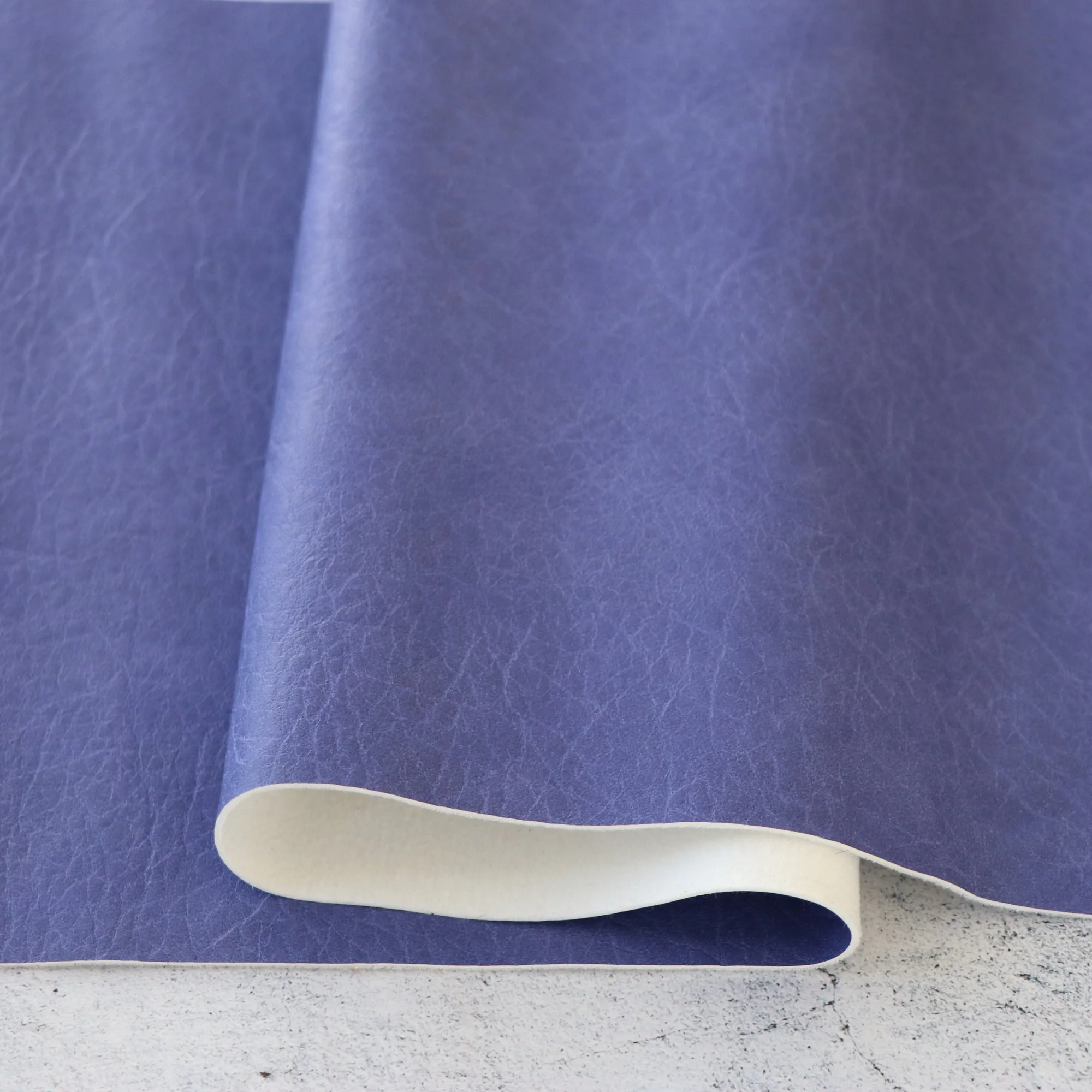
- Limited Edition: Very Peri Legacy Faux Leather: Limited Edition: Very Peri Legacy Faux Leather is a vegan material with a Legacy texture, priced at USD 3.66, and is a limited-edition color that will not be restocked. If you want a distinctive exterior color for a statement bag, this is a time-sensitive option; buy enough yardage for the whole project in one order.
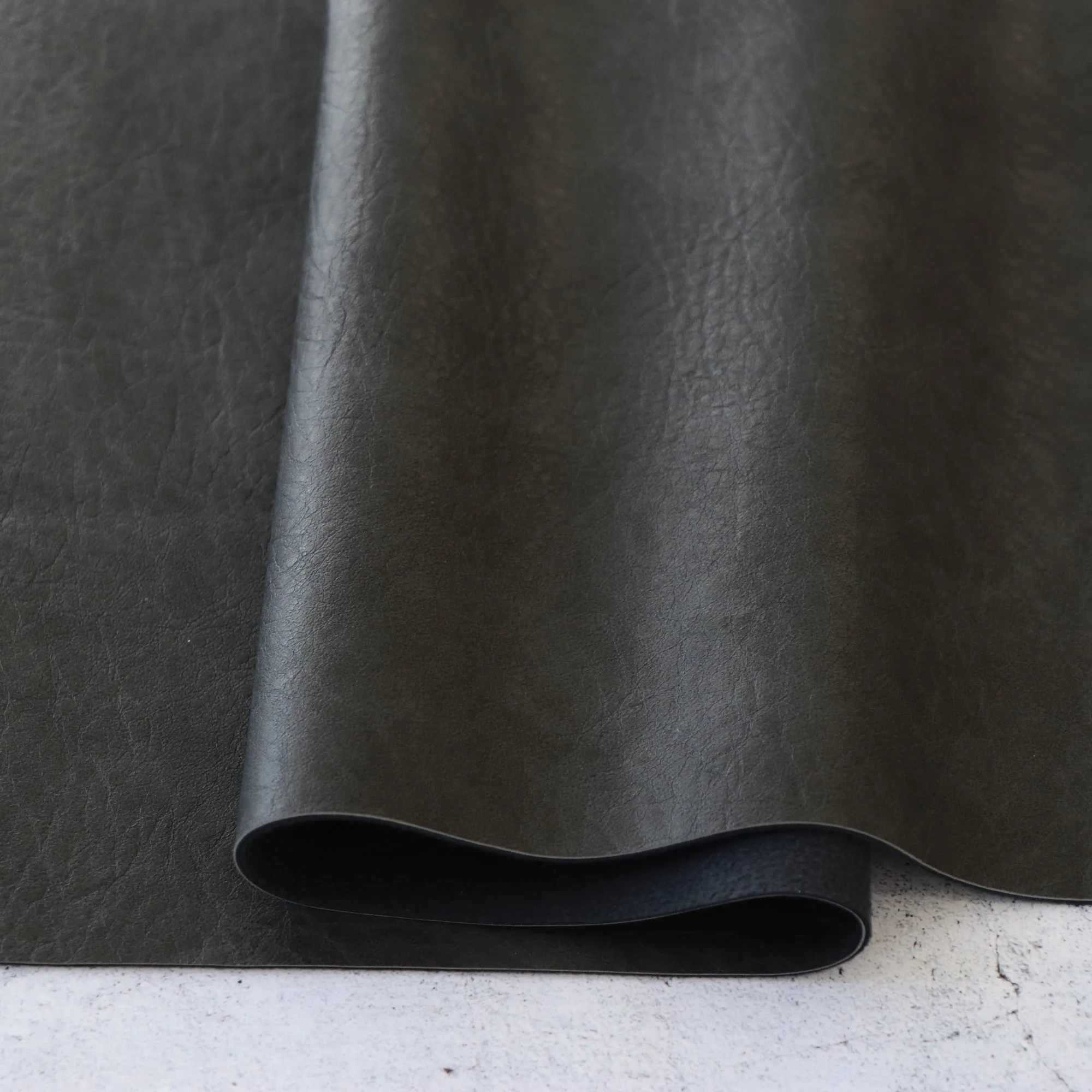
- Charcoal Legacy Faux Leather: Charcoal Legacy Faux Leather has the same Legacy texture and is priced at USD 4.50, with durability, ease of maintenance, and moisture resistance. A neutral, restockable choice for everyday totes and straps where you want the leather look without the care of a fabric surface.
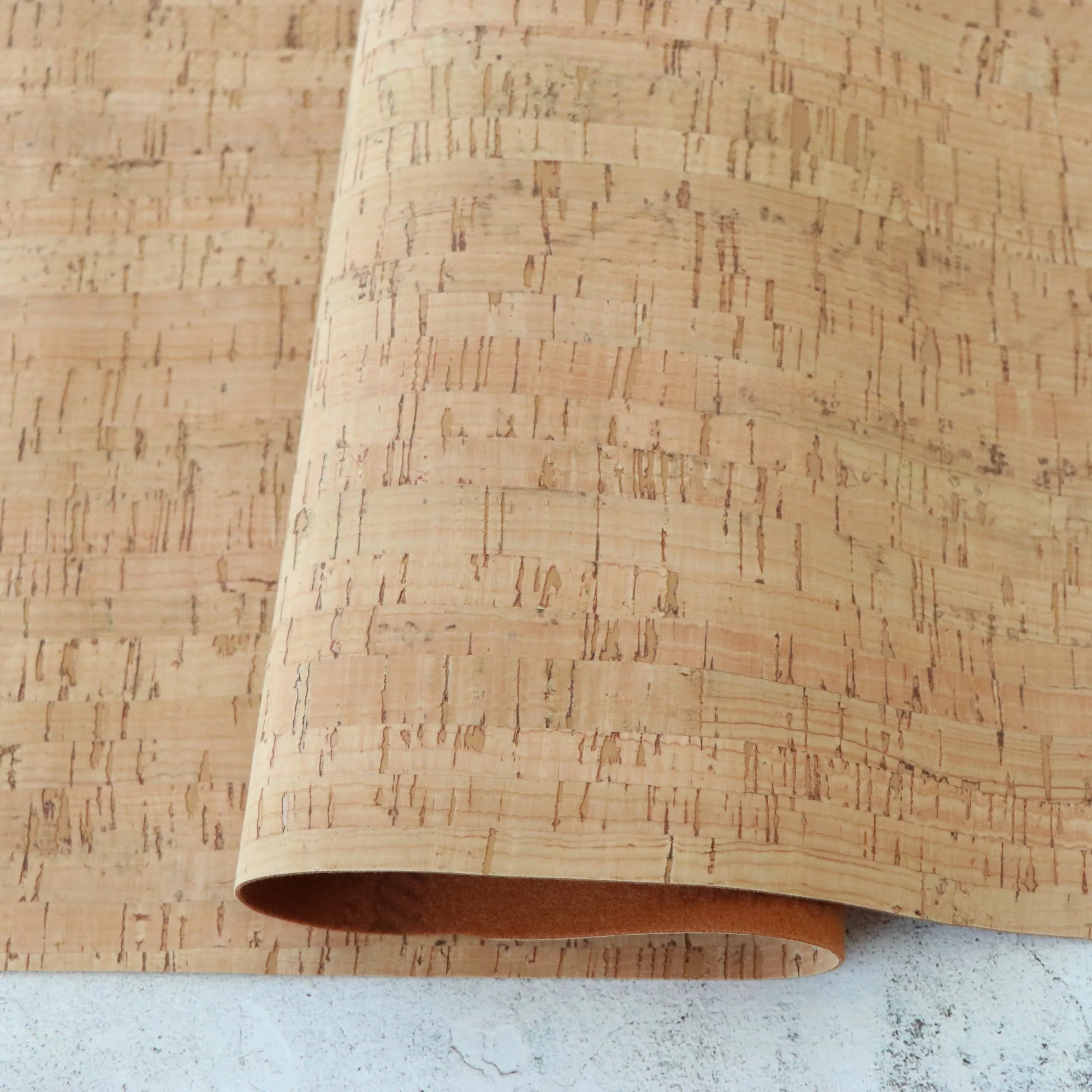
- Rustic Natural Cork Fabric: Rustic Natural Cork Fabric is easy to sew through, pliable, and durable, with a soft, smooth handle similar to faux leather or genuine leather. If you like the pliability of microsuede but want a wipe-clean surface, cork is a third route that behaves more like faux leather at the machine.
Which material fits your project?
Best for
- Everyday totes, crossbody bags, and wallets that need a wipe-clean, structured exterior
- Straps, handles, and bottom panels where abrasion and moisture are constant
- Sewists who want a vegan leather look with minimal maintenance
Not for
- Projects where you want a soft, matte, fabric-like drape and do not mind extra care
- Bags that will be exposed to heavy rain or oily stains without a protector
- Sewists who prefer to press seams flat with high heat