Quick answer
Yes, most food-grade silicone utensils are microwave-safe, but you should always check for a microwave-safe label and avoid exceeding the temperature limits of the material.
What makes silicone safe for microwaves?
Food-grade silicone is heat-resistant up to about 428°F (220°C), making it suitable for microwave use. Unlike plastic, it doesn't melt or leach harmful chemicals when heated. However, not all silicone products are created equal—fillers can reduce heat tolerance.
When to be cautious
Avoid using silicone utensils that have metal parts or are not explicitly labeled as microwave-safe. Also, prolonged exposure to high heat (like boiling oil) can degrade silicone over time. For toddler utensils, ensure they are BPA-free and made from pure silicone.
Myth-busting verdicts
- Myth: All silicone is microwave-safe: Only pure, food-grade silicone with no fillers is safe. Check for a microwave-safe symbol or certification. Look for '100% silicone' or 'food-grade silicone' on labels.
- Myth: Silicone can melt in the microwave: Silicone withstands typical microwave heat, but it will degrade if exposed to direct flames or temperatures above 428°F. Avoid using silicone under broilers or on stovetops.
- Myth: Toddler silicone utensils are always microwave-safe: Many toddler utensils are made from silicone, but always verify the packaging. Some may have plastic handles that aren't microwave-safe. Use only all-silicone utensils for reheating baby food.
Product facts
-
MUNCHTIME - T-REX: Made of food-safe ABS plastic, not silicone. This product is not intended for microwave use; always match utensil material to the heat source.
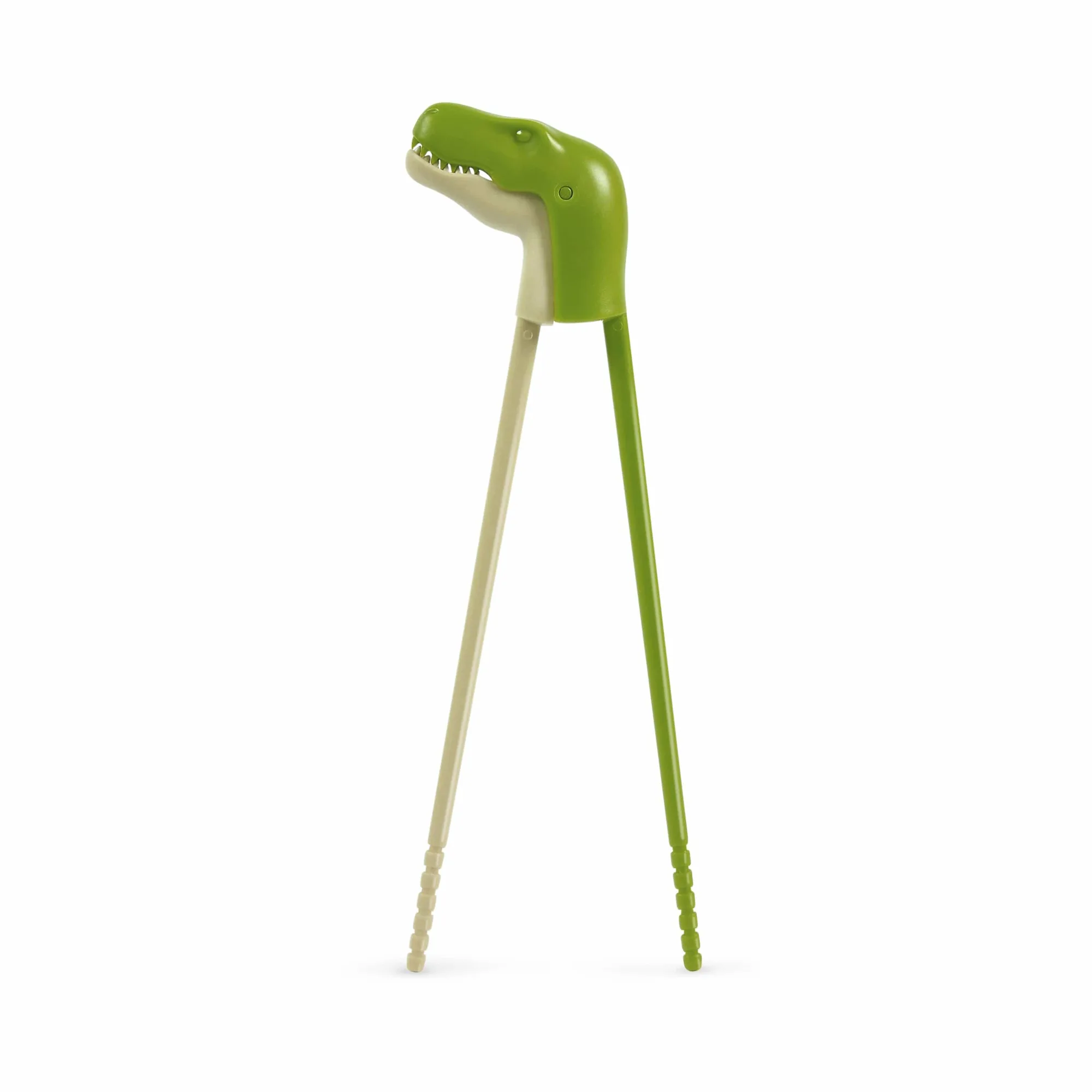
MUNCHTIME - T-REX