Quick answer
Milk chocolate brings a creamy, mild cocoa flavor with a caramelized milk note, while white chocolate offers a sweet, buttery, vanilla-like taste with no cocoa solids. For baking, the choice depends on whether you want a subtle cocoa undertone (milk) or a pure, sweet background that lets other flavors shine (white). Both are couverture-grade options from Valrhona, but their different cocoa percentages and flavor profiles affect final texture and sweetness.
Flavor and Sweetness Profiles
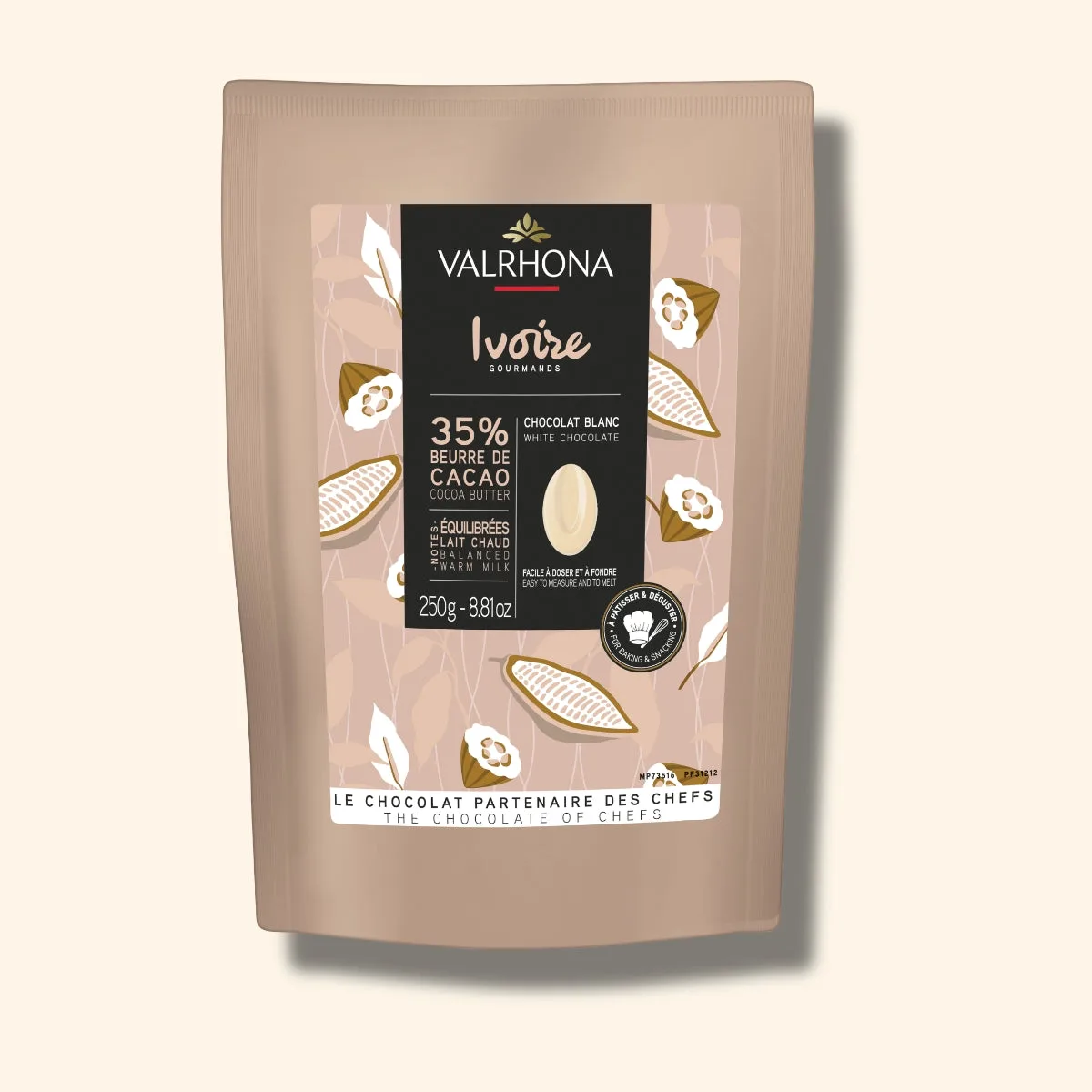
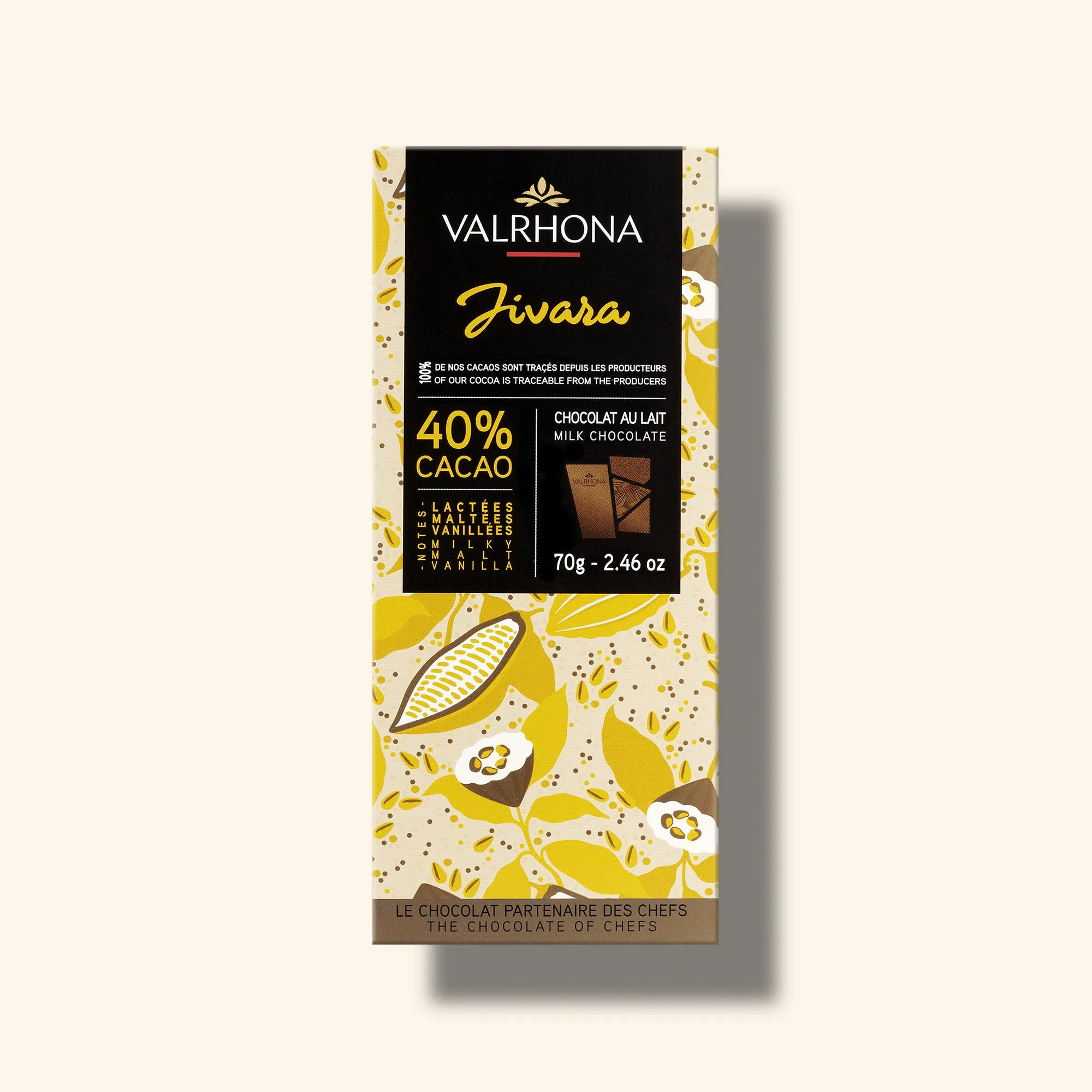
Milk chocolate contains cocoa solids, cocoa butter, and milk powder, giving it a balanced sweetness with a distinct cocoa taste. Valrhona's Jivara 40% milk chocolate bar, for example, is known for its strong cocoa flavor despite being a milk chocolate. White chocolate, on the other hand, contains only cocoa butter, milk solids, and sugar, resulting in a sweet, creamy flavor with no cocoa bitterness. Valrhona's Ivoire 35% white baking chocolate is described as smooth and vanilla, with a slightly sweet note that evokes butter.
The absence of cocoa solids in white chocolate means it won't add any chocolate color or bitterness to your bake, making it ideal for light-colored desserts like white cakes or pale mousses. Milk chocolate adds a warm, tan color and a gentle cocoa note that pairs well with fruits, nuts, and caramel.
Texture and Melting Behavior
Both types are couverture chocolates, meaning they contain a high percentage of cocoa butter (at least 31%) for a smooth, fluid melt. However, the cocoa butter content can vary. White chocolate typically has a higher cocoa butter ratio because it lacks cocoa solids, which contributes to its silky, almost oily mouthfeel. Milk chocolate has a slightly firmer set due to the presence of cocoa solids and milk proteins.
When melting for ganaches, glazes, or enrobing, white chocolate can be more sensitive to heat and moisture because of its higher sugar and milk solid content. It requires gentle, indirect heat and careful tempering. Milk chocolate is more forgiving but still benefits from proper tempering for a glossy finish.
Best Applications for Each
Milk chocolate is a classic choice for brownies, cookies, and cakes where you want a noticeable chocolate flavor without the intensity of dark chocolate. It also works beautifully in milk chocolate mousse, truffles, and as a coating for fruits or nuts. Valrhona's Jivara 40% milk chocolate bar is iconic for its strong cocoa taste, making it a versatile option for both baking and snacking.
White chocolate excels in recipes where you want a sweet, creamy base without chocolate flavor—such as white chocolate blondies, cheesecakes, frosting, or fruit tarts. It also pairs well with tangy fruits like raspberries or passion fruit. Valrhona's Ivoire 35% white baking chocolate is specifically designed for baking, with a smooth, vanilla-forward profile that complements delicate flavors.
Trade-offs at a glance
- Cocoa flavor intensity: Milk chocolate provides a mild cocoa taste; white chocolate has none. Choose milk chocolate if you want any chocolate flavor at all. For a neutral sweet base, pick white; for a gentle cocoa note, pick milk.
- Sweetness level: White chocolate is generally sweeter because it lacks cocoa solids to balance the sugar. Milk chocolate's cocoa solids add a slight bitterness that reduces perceived sweetness. If your recipe already includes sugar, white chocolate may make it overly sweet.
- Color impact: White chocolate yields a pale, creamy color; milk chocolate adds a warm tan hue. This matters for visual contrast in layered desserts or light-colored batters. For a white or pastel dessert, use white chocolate; for a warm brown color, use milk.
- Heat sensitivity: White chocolate is more prone to seizing or scorching due to its higher sugar and milk solid content. Milk chocolate is slightly more forgiving during melting. Always melt white chocolate gently and avoid water contact.
Product facts
- White Baking Chocolate Ivoire 35% - 8.8oz: White Chocolate for Baking Ivoire 35% - 8.8oz. Ivoire 35% white chocolate is a baking chocolate, also called couverture chocolate, smooth and vanilla. Unlike classic white chocolates, Ivoire chocolate stands out thanks to a slightly sweet note. Its color is delicately pearly and its taste subtly evokes that of butter. Its low sweetness and buttery, vanilla flavor make it ideal for applications where you want a clean, creamy background without overwhelming other ingredients.
- Milk Chocolate Bar Jivara 40% - 2.46oz / 70g: Milk Chocolate Bar Jivara 40% - 2.46oz / 70g. Developed in 1995 by Valrhona, Jivara 40% chocolate is the brand's iconic milk chocolate: it caused a real revolution in milk chocolates. Iconoclastic, it was the very first milk chocolate to offer such a strong taste and a real cocoa taste. Its higher cocoa content (40%) delivers a pronounced chocolate flavor that stands up well in baked goods, making it a reliable choice for recipes that call for milk chocolate with character.
Which one should you choose?
Best for
- Bakers who want a subtle cocoa flavor with a creamy texture and forgiving melting behavior
- Recipes that call for milk chocolate as a primary flavor, such as milk chocolate mousse or cookies
Not ideal for
- Bakers who need a pure, sweet, vanilla-like base without any cocoa taste
- Recipes where a pale or white final color is essential, such as white chocolate raspberry tarts