Quick Answer
Milk Oolong delivers a creamy, buttery cup with no added flavorings, while Japanese Sencha offers a grassy, vegetal taste from full-sun cultivation. Choose Milk Oolong for a smooth, dessert-like experience, or Sencha for a classic, refreshing green tea. Both are single origin teas with distinct production methods.
Origin and Growing Conditions
Milk Oolong comes from the Anhui region of China, where it is produced as a Tie Guan Yin oolong. The tea is only half-fermented from the outside, giving it a unique creamy character without any added ingredients. Japanese Sencha, on the other hand, is grown in full sunlight in the Kagoshima prefecture of Japan. This exposure contrasts with shaded teas like matcha and gyokuro, and contributes to Sencha's bright, grassy profile.
Both teas are single origin, meaning their flavor is a direct expression of their terroir. If you value a buttery, almost floral cup, Milk Oolong's Chinese heritage shines. For a classic Japanese green tea experience with a clean, vegetal finish, Sencha from Kagoshima is the clear choice.
Flavor Profile: Creamy vs. Grassy
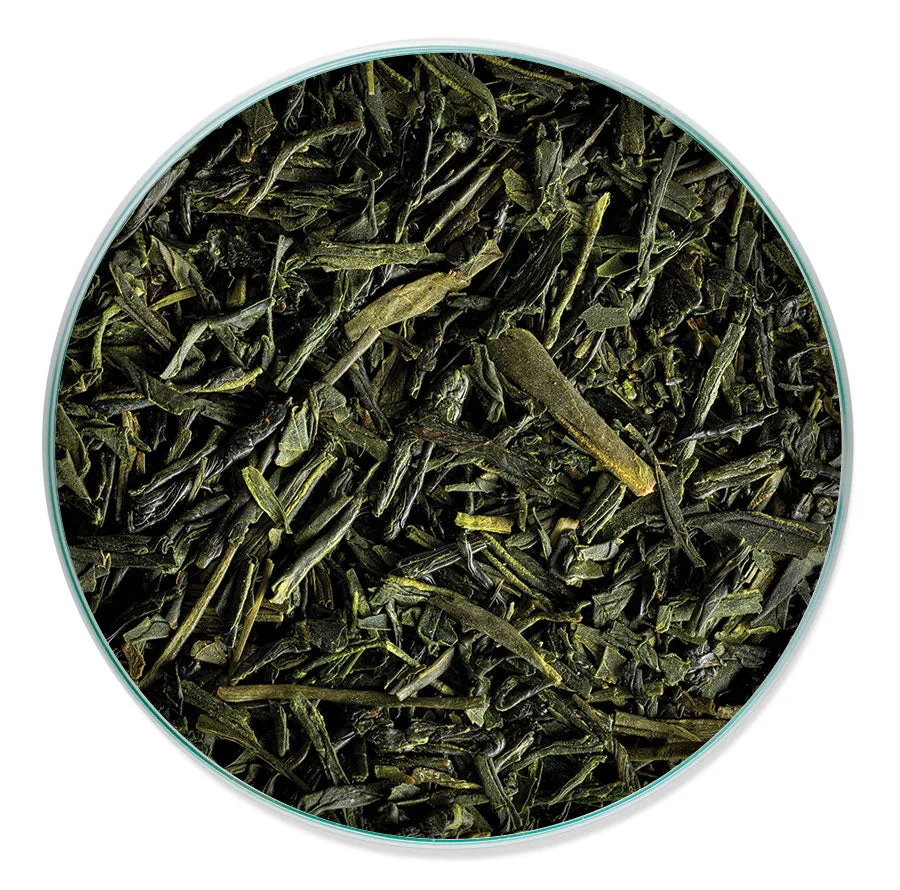
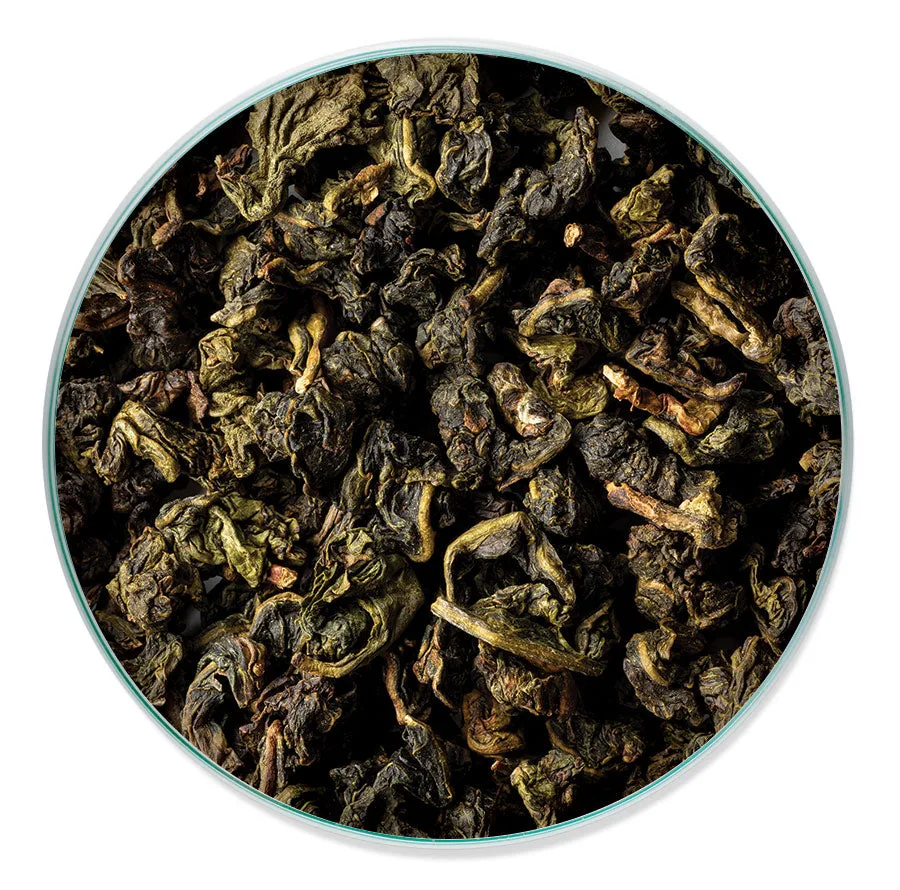
The most noticeable difference is taste. Milk Oolong is celebrated for its naturally creamy and buttery flavor, achieved through careful harvesting and semi-fermentation. There are no dairy additives—the richness comes entirely from the leaf. Japanese Sencha, grown in full sun, delivers a grassy and vegetal taste that is both refreshing and slightly astringent. It's a staple for green tea lovers who enjoy a more traditional, brisk cup.
If you prefer a smooth, dessert-like tea that doesn't need sweeteners, Milk Oolong is a standout. If you want a clean, invigorating brew that pairs well with food or stands alone, Sencha is the better match.
Brewing Considerations
Both teas are loose leaf and benefit from proper steeping. Milk Oolong typically brews well at around 195°F (90°C) for 3-5 minutes, and can be re-steeped multiple times, with each infusion revealing new layers of flavor. Japanese Sencha is more delicate—water around 160-175°F (70-80°C) for 1-2 minutes prevents bitterness. Over-steeping Sencha can quickly turn its grassy notes harsh.
If you enjoy experimenting with multiple infusions, Milk Oolong offers more versatility. For a quick, reliable cup that wakes you up, Sencha is faster and more straightforward.
Milk Oolong vs. Sencha: The Tradeoffs
- Flavor Complexity: Milk Oolong offers creamy, buttery notes that evolve over multiple steeps. Sencha is straightforward, grassy, and best enjoyed fresh. Choose Milk Oolong for depth; Sencha for consistency.
- Brewing Effort: Sencha requires precise lower temperatures and short steeps to avoid bitterness. Milk Oolong is more forgiving and rewards longer infusions. Sencha demands attention; Milk Oolong is more relaxed.
- Versatility: Milk Oolong pairs well with light desserts or alone as a treat. Sencha is a classic accompaniment to savory meals or a morning pick-me-up. Milk Oolong for dessert; Sencha for everyday drinking.
Tea Comparison at a Glance
- Milk Oolong: Milk Oolong tea is a Tie Guan Yin oolong from the Anhui region of China. The careful harvesting and production lets the creamy and buttery taste shine without any additional flavoring or ingredients. Oolong is only half-fermented from the outside. This means you get a naturally rich, dessert-like cup without artificial additives, perfect for those who want a smooth, indulgent tea experience.
- Japanese Sencha - Wholesale: Japanese Sencha green tea has a grassy and vegetal taste. It is grown in full sunlight in the Kagoshima prefecture of Japan, which contrasts with shaded teas like matcha and gyokuro. Kagoshima is the 2nd largest tea producing region in Japan. The full-sun cultivation gives Sencha its classic, refreshing green tea character. If you enjoy a clean, vegetal flavor with a bit of briskness, this is the ideal single origin choice.
Which Tea Should You Choose?
Best For
- Tea drinkers who love a naturally creamy, buttery cup without added flavors
- Those who enjoy re-steeping leaves and exploring evolving taste profiles
Not Ideal For
- People seeking a traditional, brisk green tea with grassy notes (choose Sencha instead)
- Anyone who dislikes oolong's semi-fermented character or prefers a very light, delicate brew