Quick answer
The Mindful Memory Game is a smart pick for families who want a screen-free activity that builds vocabulary, memory, and mindfulness together—but it's not a substitute for competitive or physically active games.
Why matching games work for young minds
Matching games are a proven way to strengthen working memory and concentration. When kids flip cards to find pairs, they practice visual recall and focus—skills that support learning in school and at home.
The Mindful Memory Game adds a language layer: words like Gratitude and Patience appear on the cards, so kids absorb new vocabulary while playing. That combination makes it more than a simple pastime.
Screen-free play has real benefits
In a world full of tablets and apps, a physical card game offers a chance to disconnect. Screen-free activities encourage face-to-face interaction, patience, and hands-on learning—all without notifications or autoplay.
For parents who want to limit screen time, this game provides an easy alternative that still feels fun and engaging for kids.
Who can enjoy it beyond kids?
The game is designed for kids, seniors, and language learners. That means it can be used in multilingual households or as a gentle cognitive activity for older family members. It's a flexible tool for family game nights or solo practice.
However, if you're looking for a high-energy game that gets kids moving, this isn't that. It's a calm, tabletop activity best suited for quiet time.
How to decide if it's right for you
- Age and skill level: If your child is old enough to understand turn-taking and matching (typically ages 3+), this game can work. Younger kids may need help reading the words, but the pictures still support matching. Check if your child can recognize simple words or images before buying.
- Learning goals: Choose this game if you want to reinforce vocabulary, memory, and mindfulness in a relaxed setting. If you're solely focused on physical activity or competitive play, look elsewhere. Match the game to your child's current developmental focus.
- Family dynamics: Because it's designed for kids, seniors, and language learners, it works well for mixed-age groups. If you have very young children who can't sit still for long, consider a more active game first. Think about who will play together most often.
Product facts
-
Mindful Memory Game: The Mindful Memory Game combines classic matching with mindfulness, helping kids learn words like Gratitude and Patience while improving vocabulary and memory. This means your child builds language skills and emotional awareness at the same time, making playtime more meaningful.
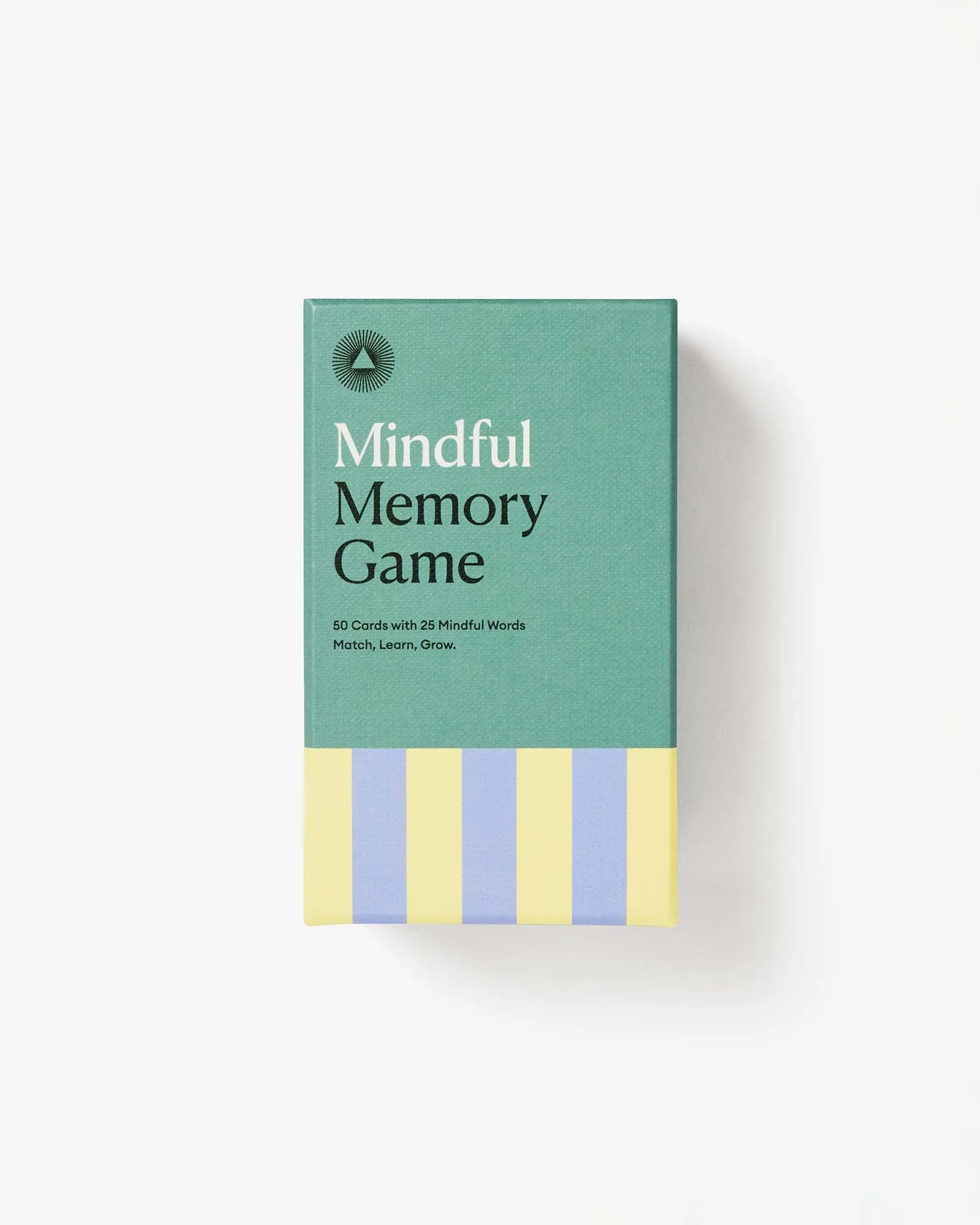
Mindful Memory Game
Is it the right choice?
Best for
- Families wanting a screen-free activity that builds vocabulary and memory
- Parents introducing mindfulness words like Gratitude and Patience to kids
- Households with mixed ages, including seniors or language learners
Not for
- Kids who need high-energy physical play
- Families looking for a competitive or fast-paced game