Quick Answer
If you have sensitive skin or want a super-gentle, non-acidic way to smooth texture, a mineral enzyme exfoliant is your best bet. If you're dealing with dullness, fine lines, or uneven tone and can tolerate mild acids, a lactic acid treatment offers deeper exfoliation and hydration. Both are paraben free, but they work differently, so your choice depends on your skin's tolerance and your main concern.
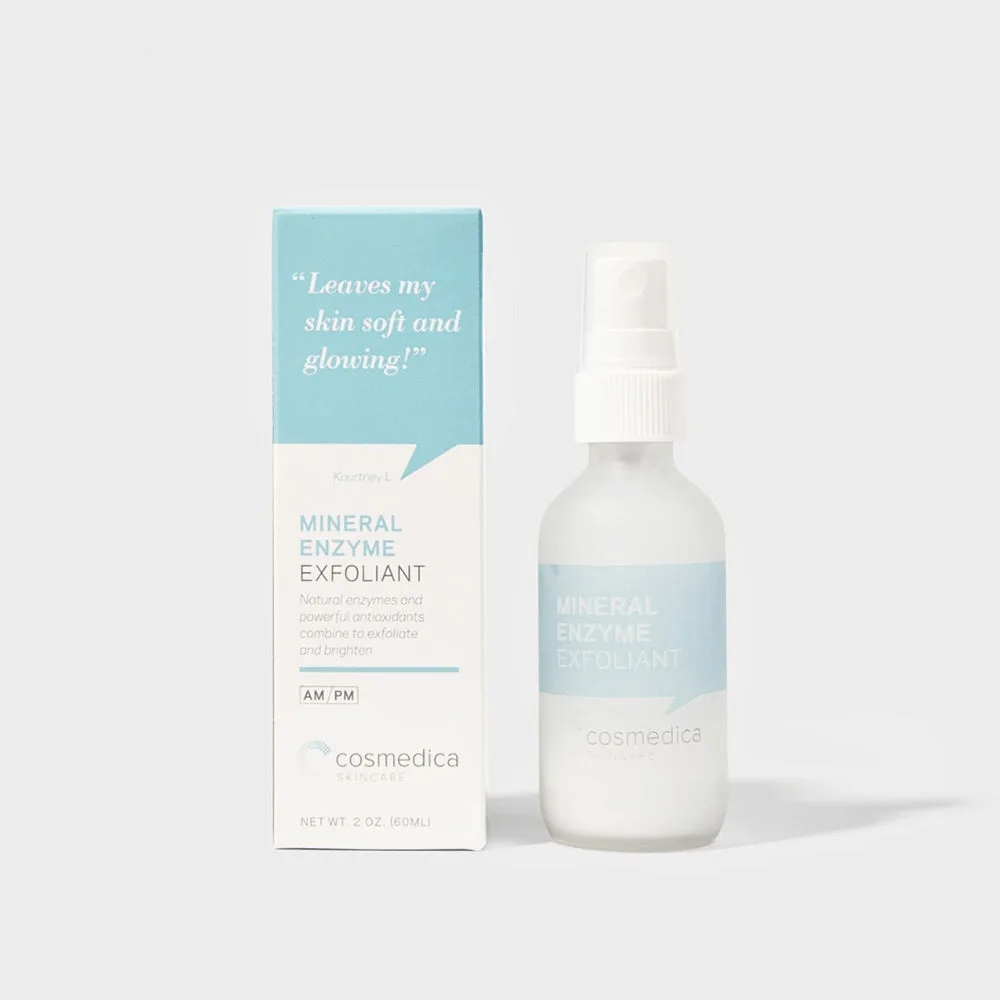
mineral enzyme exfoliant
Exfoliation is a key step for glowing skin, but with so many options, it's easy to feel overwhelmed. Two popular categories are mineral enzyme exfoliants and lactic acid treatments. Both remove dead skin cells, but they do so through different mechanisms, which means they suit different skin types and goals.
This comparison breaks down how each works, their benefits, and the tradeoffs, so you can choose the exfoliator that fits your routine. We'll also highlight specific products that illustrate these differences, including a paraben free option for those who prioritize clean formulations.
How Mineral Enzyme Exfoliants Work
Mineral enzyme exfoliants use naturally occurring enzymes, often from fruits like pumpkin, to digest the bonds between dead skin cells. This is a gentle, non-abrasive process that doesn't rely on acids, making it ideal for sensitive or reactive skin. Enzymes are typically larger molecules that work on the skin's surface, so they're less likely to penetrate deeply and cause irritation.
A good example is the Brightening Pumpkin Mask from Cosmedica Skincare. It contains AHA's (Alpha Hydroxy Acids) and powerful fruit enzymes that work together to increase cell turnover, brighten skin, and improve overall texture. The combination of enzymes and AHA's offers a dual-action approach that's still gentle enough for regular use, leaving skin feeling bouncy and refreshed.
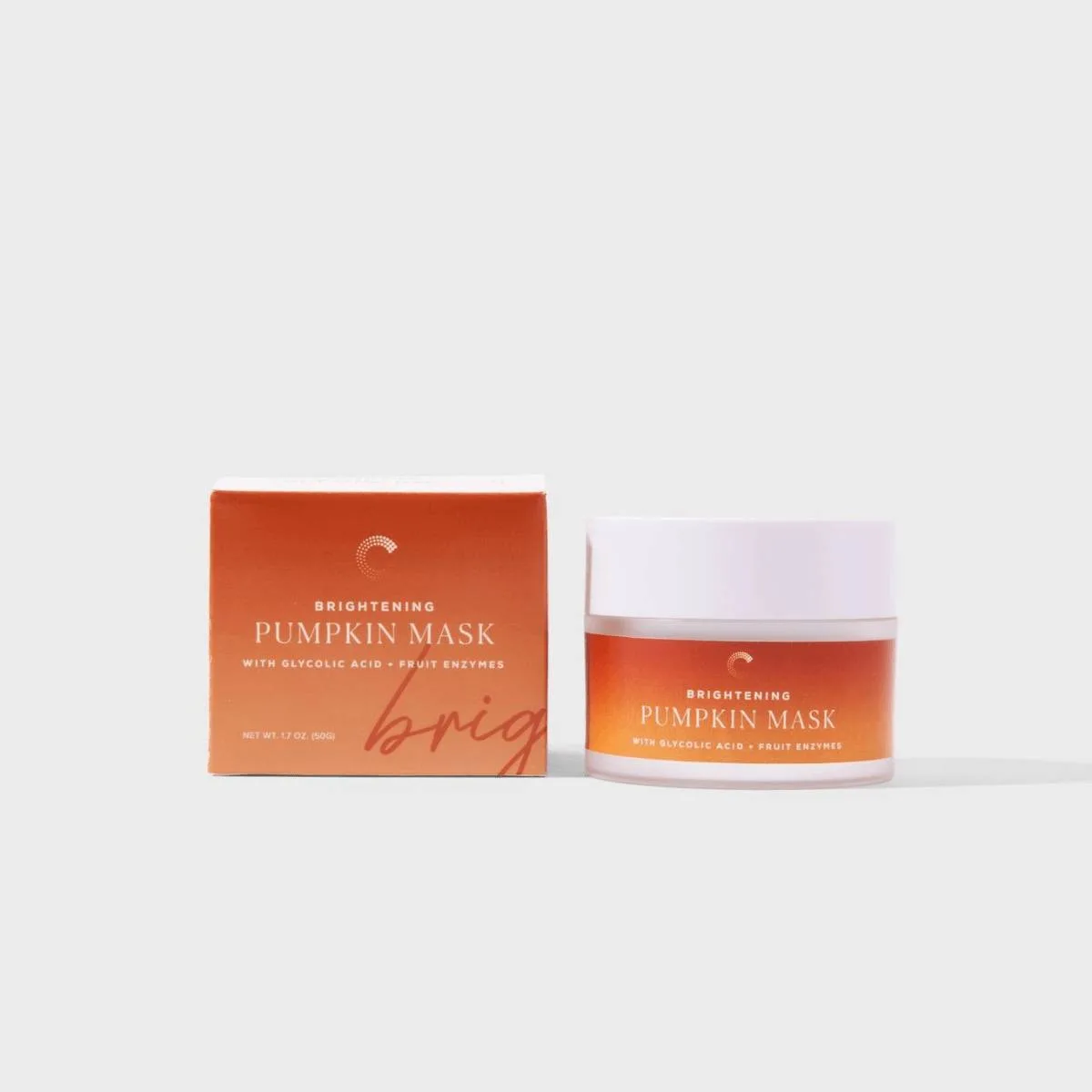
Brightening Pumpkin Mask
- Best for sensitive skin or those new to exfoliation.
- Provides a glow without the sting of acids.
- Can be used more frequently, often 2-3 times a week.
How Lactic Acid Treatments Work
Lactic acid is an alpha hydroxy acid (AHA) that works by dissolving the 'glue' holding dead skin cells together. It's a chemical exfoliant that penetrates a bit deeper than enzymes, promoting cell turnover and revealing fresher skin. Lactic acid is also a humectant, meaning it draws moisture into the skin, which is why it's often praised for hydrating while it exfoliates.
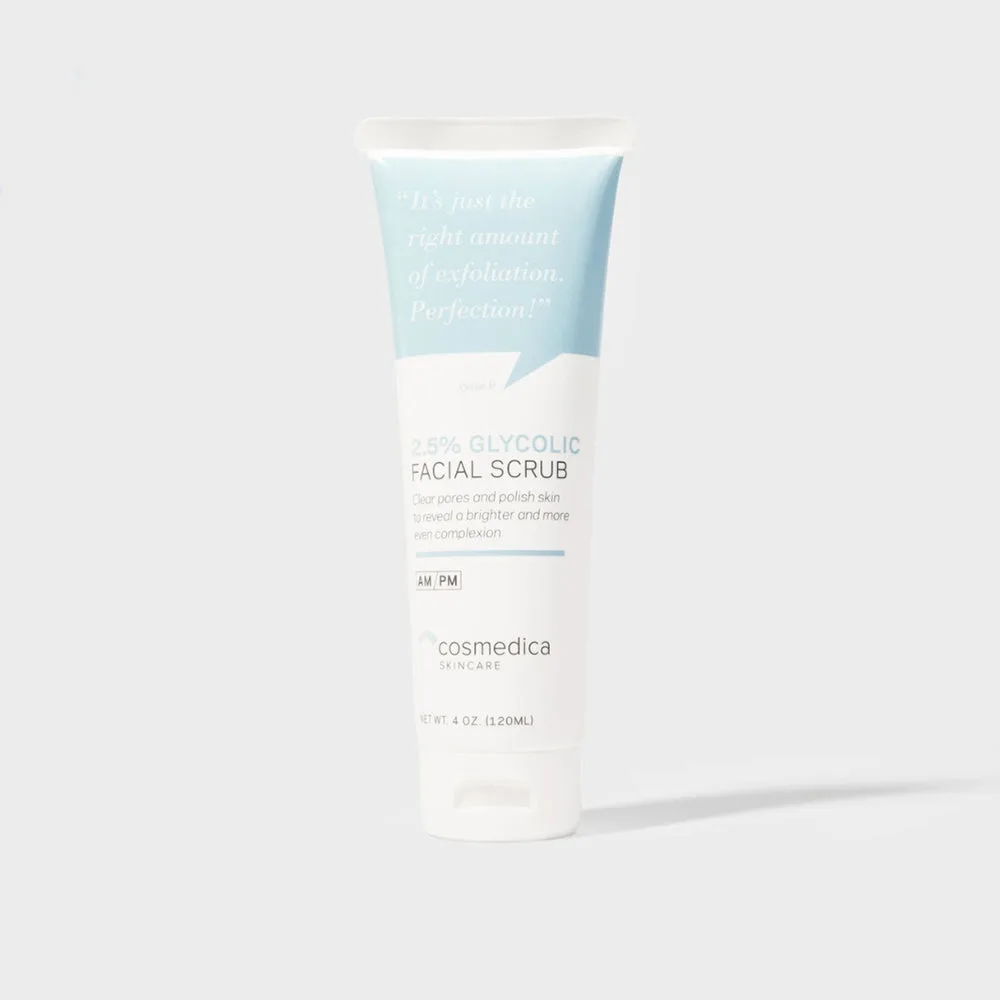
For a lactic acid treatment, you might look for a product like the 2.5% Glycolic Facial Scrub from Cosmedica Skincare. While this scrub uses glycolic acid (another AHA) rather than lactic acid, it illustrates the category: a chemical exfoliant that gently removes dull, aging skin cells to reveal a bright, refreshed complexion. The low concentration is suitable for beginners, but it's still an acid, so patch testing is wise.
- Ideal for dullness, uneven texture, and mild hyperpigmentation.
- Provides hydration, making it good for dry skin.
- Start with a low concentration (under 5%) to avoid irritation.
Key Differences at a Glance
The main difference lies in the mechanism: enzymes are surface-level and non-acidic, while lactic acid is a chemical exfoliant that penetrates the skin. This means enzyme exfoliants are generally gentler and less likely to cause redness, but they may not be as effective for deeper concerns like fine lines or stubborn dark spots. Lactic acid, on the other hand, offers more noticeable results but requires more caution, especially for sensitive skin.
Another difference is how they feel on the skin. Enzyme masks often have a creamy or gritty texture and are left on for a few minutes. Lactic acid treatments come in serums, peels, or pads and are typically rinsed off or left on, depending on the formula. Both are available in paraben free formulations, so you don't have to compromise on clean beauty.
The Tradeoffs: Choosing Between Enzymes and Lactic Acid
- Sensitivity: Enzymes are gentler and less likely to cause redness, making them better for sensitive skin. Lactic acid can tingle or irritate if your skin barrier is compromised. If you have sensitive skin, start with an enzyme exfoliant like the Brightening Pumpkin Mask.
- Results: Lactic acid penetrates deeper and can improve fine lines and hyperpigmentation more noticeably. Enzymes work on the surface, giving a quick glow but less dramatic long-term changes. For anti-aging or dark spots, consider a lactic acid treatment; for a quick refresh, choose enzymes.
- Frequency: Enzymes can be used more often (2-3 times weekly) without irritation. Acids should be started slowly, once a week, to let your skin adjust. Plan your routine around your chosen exfoliator's recommended frequency.
Products That Show the Difference
- Brightening Pumpkin Mask: Cosmedica Skincare’s Brightening Pumpkin Mask contains skin perfecting AHA’s (Alpha Hydroxy Acids) which are natural occurring exfoliants. This facial mask is invigorating and dewy, and will leave your skin feeling bouncy and refreshed. Our Brightening Pumpkin Mask has powerful fruit enzymes, which combined with AHA’s increases, cell turnover, brightens skin, and helps the skin’s overall texture. This mask blends enzymes with AHA's, offering a gentle yet effective exfoliation that's suitable for sensitive skin. It's a good choice if you want a brightening boost without harsh acids.
- 2.5% Glycolic Facial Scrub: Give your skin a youthful and invigorating glow with the exfoliating power of glycolic acid. Don’t let the word “acid” fool you — glycolic acid is a naturally derived compound that gently removes dull, aging skin cells and other impurities to reveal a bright and refreshed complexion. Cosmedica Skincare’s 2.5% Glycolic Scrub is formulated with nourishing plant extracts to bolster new skin cell growth and moisturizing... At a low 2.5% concentration, this scrub is a gentle entry point into chemical exfoliation. It's ideal for those who want the benefits of an acid without the risk of over-exfoliation, and it's paraben free.
How to Choose
Best For
- Mineral enzyme exfoliants: sensitive, reactive skin; those new to exfoliation; quick glow without irritation.
- Lactic acid treatments: dull, dry, or aging skin; those seeking to improve texture, fine lines, and mild discoloration.
Not For
- Mineral enzyme exfoliants: not ideal for those needing deep exfoliation for severe hyperpigmentation or advanced photoaging.
- Lactic acid treatments: not for very sensitive or broken skin; avoid if you have active inflammation or rosacea.
Both mineral enzyme exfoliants and lactic acid treatments have their place in a skincare routine. If you prioritize gentleness and a paraben free formula, an enzyme mask like the Brightening Pumpkin Mask is a safe, effective start. For more intensive resurfacing, a low-strength acid treatment can deliver visible results with patience. Listen to your skin, patch test, and adjust frequency to find your perfect exfoliation balance.